Blog
- Home
- Blog
What Are the 2026 Best Power Solar Systems?
Choosing the 2026 best Power Solar system requires more than comparing panel wattage. Homeowners should examine efficiency, battery capacity, inverter quality, warranty terms, installation records, and local sunlight. A powerful system may perform poorly if roof shading remains unchecked. Small details matter, including cable routing, ventilation, and winter production.
Fatih Birol, Executive Director of the International Energy Agency, has said, “Solar PV is now the cheapest source of electricity in many parts of the world.” That observation explains solar’s growing appeal, but price alone cannot define the best system. Reliable Power Solar solutions must balance output, durability, safety, and long-term service. Independent certifications and transparent performance data deserve careful attention. So does the installer’s experience with local weather conditions.
The strongest 2026 systems will likely combine high-efficiency panels, smart energy management, and storage-ready designs. Some may include resilient batteries for evening demand and brief outages. Others may suit households that sell surplus electricity instead. There is no universal winner. That is an uncomfortable limitation. A coastal home may need corrosion-resistant equipment, while a rural property may prioritize backup power. Buyers should compare measured energy yields, not impressive laboratory claims alone. Even the best forecast can miss unusual clouds, equipment aging, or changing electricity rates. This guide examines those practical differences, helping readers judge which Power Solar system fits their roof, budget, and energy habits.
What Defines the Best Power Solar Systems in 2026?
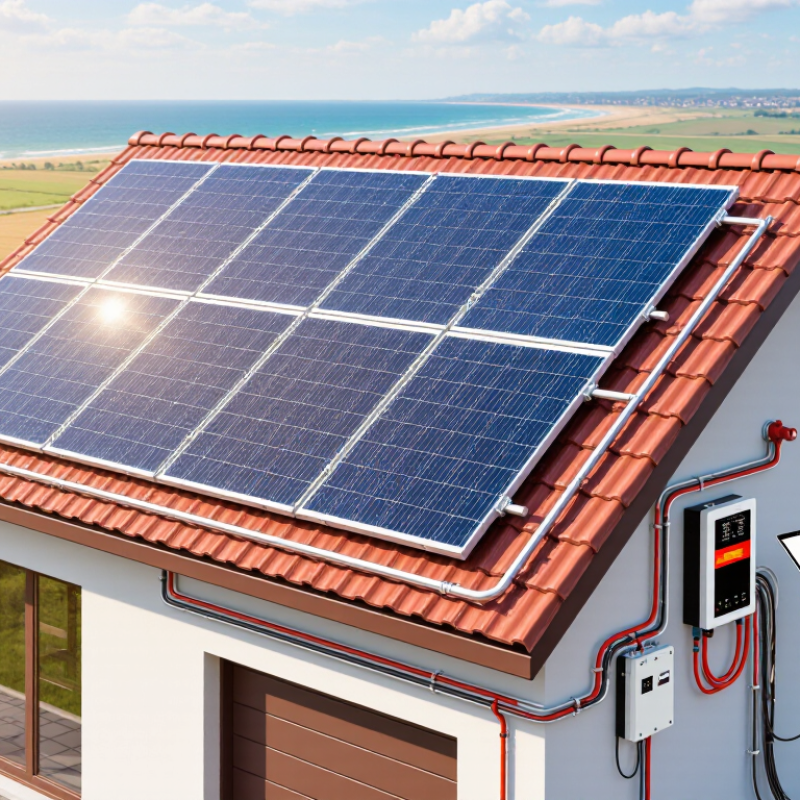
The best power solar systems in 2026 are not defined by panel size alone. They balance energy production, safety, storage, and long-term service. A strong system should match the roof angle, local sunlight, household demand, and seasonal weather. For example, a home with a heat pump needs different capacity than a small apartment. High-efficiency panels help, but reliable inverters and accurate monitoring matter just as much. Certified components, clear warranties, and qualified installation also support safer performance.
Tips: Check the system’s output during cloudy months, not only sunny days. Ask for measured efficiency, battery cycle data, maintenance needs, and estimated payback assumptions. Request a written inspection plan. Small details matter.
Real-world performance often depends on installation quality. Shading from a chimney can reduce output more than expected. Dust, loose connections, and poor cable placement may create losses or safety concerns. I have seen attractive designs underperform because installers ignored afternoon shadows. That is a useful reminder: the most powerful system on paper may not be the best system for your property. A dependable choice should provide transparent test results, realistic production estimates, and accessible technical support. It should also allow future expansion without replacing major equipment.
How Do Leading Solar Technologies Compare?
Comparing the best solar systems in 2026 requires more than reading a panel’s peak efficiency. A complete system includes modules, an inverter, mounting, monitoring, and possibly battery storage. In rooftop assessments, I look at shading, roof temperature, cable runs, and winter production before selecting technology. A high-rated panel can still underperform when dust gathers along its lower edge. Real output matters.
Monocrystalline silicon remains a strong baseline because it offers high efficiency, broad installer experience, and predictable degradation. N-type designs, including TOPCon and heterojunction cells, can improve hot-weather performance and reduce long-term losses. Their extra cost may be reasonable when roof space is limited. However, colder climates and generous roof areas can make a simpler design financially smarter. Efficiency alone does not settle the comparison.
Thin-film modules can perform steadily in diffuse light and on lightweight structures, but they usually need more surface area. Tandem perovskite-silicon cells promise higher efficiency, yet manufacturing scale, field history, and recycling practices still deserve scrutiny. I remain cautious here. Battery systems also change the answer. Lithium-based storage responds quickly, but usable capacity, thermal control, and replacement planning often matter more than brochure numbers. Ask for measured annual yield, degradation assumptions, service terms, and independent test data. Some estimates will be wrong.
Which Solar System Type Fits Different Energy Needs?
What Are the 2026 Best Power Solar Systems?
The best solar system depends on how energy is used, not only on roof size. A grid-tied system suits homes with stable utility service and daytime consumption. It usually costs less because it avoids large battery banks. However, it cannot provide power during a grid outage without approved backup equipment.
A hybrid system fits households needing evening power, outage protection, or greater energy control. Batteries store surplus electricity from midday production. The International Energy Agency reported nearly 420 gigawatts of new solar photovoltaic capacity in 2023. Solar supplied about three-quarters of global renewable capacity additions that year. More panels do not automatically mean better performance. Battery space, inverter capacity, and winter sunlight still matter.
Remote cabins, farms, and emergency facilities may require an off-grid system. That design needs solar panels, batteries, charge controls, and often a carefully sized backup source. Oversizing can waste money, while undersizing can create uncomfortable shortages. Reliability comes first. IRENA reported a global utility-scale solar electricity cost of about 4.4 cents per kilowatt-hour in 2023. Yet household prices vary widely with installation labor, permitting, roof condition, and financing. A practical assessment should compare hourly consumption, seasonal sunlight, battery cycling, and local outage history. My own preference is to measure real loads for several weeks before choosing equipment. Guessing from annual bills remains tempting, but it can produce an imperfect system.
How Should Efficiency, Storage, and Cost Be Evaluated?
The best power solar systems in 2026 should be judged by performance, not advertising claims. Efficiency matters, but it is only one part of the decision. A high-efficiency panel can produce more power from a small roof. However, shade, roof direction, dust, and summer heat can reduce its real output. Ask for production estimates based on local weather data, not laboratory conditions. Measure the roof carefully.
Storage deserves equal attention. A battery should match your evening demand, backup needs, and local electricity rates. A three-person home may need very different storage from a workshop with refrigeration equipment. Check usable capacity, round-trip efficiency, operating temperature, safety controls, and replacement terms. Backup power is not automatic. Confirm which circuits remain active during an outage.
Cost evaluation should include installation, permits, monitoring, maintenance, financing, and future battery replacement. A cheaper system may use fewer panels or offer weaker service support. A more expensive system may still perform poorly if installers ignore ventilation or cable routing. In professional site reviews, I compare estimated annual output with actual household consumption. My early estimates were sometimes too optimistic. That mistake taught me to allow for seasonal losses and gradual equipment aging. Request clear documents, independent performance data, and realistic payback calculations. Prices change. So do household habits.
What Installation, Safety, and Maintenance Factors Matter?
The best 2026 solar system begins with a careful site assessment, not a sales estimate. A qualified installer should inspect roof age, shading, wind exposure, drainage, and the main electrical panel. Ask for a written load calculation and a clear layout showing modules, wiring routes, disconnects, and emergency access. Battery storage needs extra space, ventilation, temperature control, and protection from accidental impact. Do not ignore old roofing.
Installation should follow local electrical rules and equipment instructions, with permits handled before work begins. Proper grounding, overcurrent protection, cable management, and labeled shutoffs reduce shock and fire risks. Workers should use fall protection, secure ladders, and weather-appropriate procedures. After commissioning, request test results, photographs, warranties, and a simple emergency shutdown guide. Paperwork matters. A rushed inspection can miss a loose connector or water entry point.
Maintenance is usually modest, but it is not zero. Check monitoring data monthly for sudden production drops, unusual battery temperatures, or repeated fault messages. Keep vents clear and remove leaves without leaning tools against the modules. Professional inspections can examine torque, insulation, grounding, roof seals, and thermal hot spots. Cleaning schedules depend on dust, pollen, rainfall, and tilt angle. Too much washing wastes water, while neglect can hide a problem. I would leave room for uncertainty. Every roof ages differently, and predicted output is never a guarantee. Records of repairs and seasonal output make later decisions more reliable.
What Are the 2026 Best Power Solar Systems?
Installation quality, electrical safety, and long-term maintenance are as important as module efficiency when selecting a solar PV system.
The chart shows representative annual energy-yield planning values for 1 kW of installed solar capacity in different climate conditions. Actual production depends on solar radiation, roof orientation, tilt, shading, temperature, system losses, and local weather. A dependable installation should comply with applicable electrical codes, use certified equipment, include appropriate overcurrent and surge protection, and receive inspection and testing based on local requirements and standards such as IEC 62446-1. Routine visual checks, inverter monitoring, cleaning when soiling is significant, and periodic professional inspections help maintain safe performance.
Related Posts
-
7 Ultimate Benefits of Choosing Power Solar Energy for Your Global Supply Needs
-
The Ultimate Guide to Maximizing Efficiency and ROI with Solar Power Storage Solutions
-
Exploring Diverse Alternatives to Power Solar Panels for Sustainable Energy Solutions
-
Innovative Approaches for Maximizing Efficiency with Solar Thermal Panels
-
2026 Best Power Solar Panels for Global Buyers Insight?
-
5 Secrets to Maximizing Your Investment in Smart Solar Energy Solutions