2026 Top Dc Charging Connector Trends for Global Buyers?
As the electric vehicle (EV) market expands, understanding the latest trends in Dc Charging Connectors becomes crucial for global buyers. These connectors serve as the link between vehicles and charging infrastructures, influencing charging speed and device compatibility. With growing infrastructure investments, the demand for innovative DC charging solutions is surging.
In 2026, several trends are emerging. One notable trend is the push for faster charging capabilities. As battery technology advances, the need for efficient DC charging connectors becomes paramount. Buyers are looking for connectors that support high power levels and enable rapid charging.
Additionally, sustainability is gaining importance. Companies are focusing on materials that reduce environmental impact. However, challenges remain. Not all connectors are universally compatible, which can lead to buyer frustration. Understanding these complexities is essential for making informed purchasing decisions in this evolving landscape.
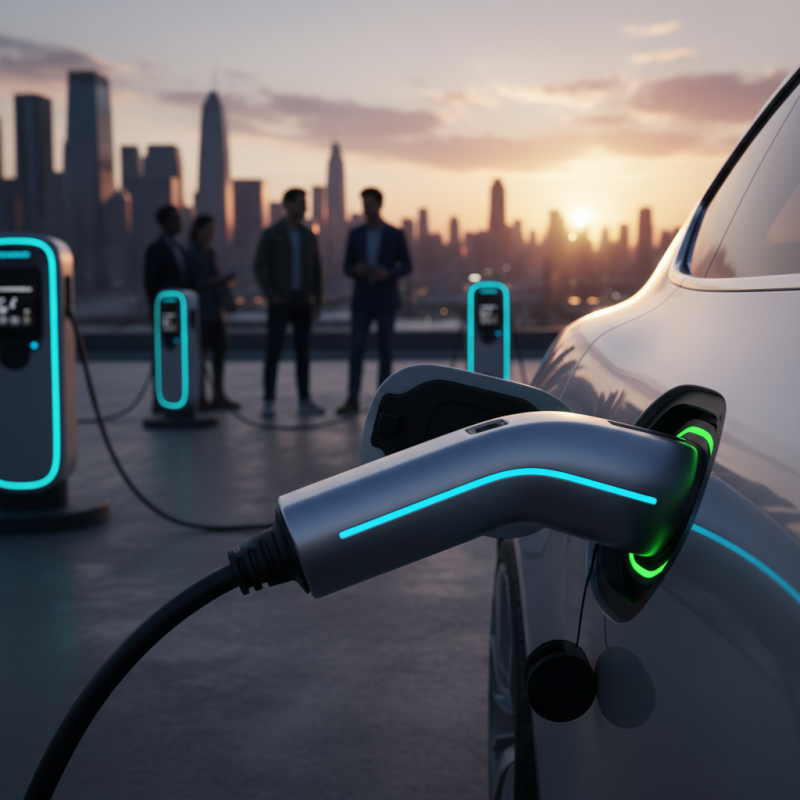
Emerging Technologies in DC Charging Connectors for 2026
The realm of DC charging connectors is evolving rapidly, driven by emerging technologies and innovative designs. In 2026, buyers will see a surge in fast-charging, user-friendly connectors. These advancements aim to cater to the growing electric vehicle market. Adoption of standardized interfaces will become essential for compatibility across various vehicles. Customers want simplicity and efficiency.
Furthermore, wireless charging technology is gaining traction. This method eliminates the need for physical connectors, providing convenience. However, challenges remain regarding power transfer efficiency. There are discussions on optimizing energy losses and increasing the distance of power transfer.
Another trend includes integrating smart technology into charging stations. These stations could adapt to energy prices, offering users cost savings. They may also use data analytics to improve user experience. However, the potential for cybersecurity threats is a concern. Ensuring data security and protecting user information remains a priority. Implementing robust security measures is essential for building consumer trust.
Market Demand Analysis for DC Charging Solutions Globally
The demand for DC charging solutions is rapidly growing as electric vehicles (EVs) gain popularity. According to a recent market report, the global DC fast charging market is projected to reach $10 billion by 2026. Key drivers include increased EV adoption and government incentives promoting cleaner transportation. This shift influences infrastructure investments, making DC charging more accessible.
Data shows that charging speed and efficiency remain critical to user satisfaction. A study highlights that 70% of EV owners prioritize fast charging options. However, as charging stations become more common, issues arise. Some regions struggle to keep pace with installation demands. This leads to longer wait times during peak hours, reducing the convenience factor.
Furthermore, there is a gap in standardization across DC connectors. Users report confusion from varying connector types. This inconsistency raises concerns about compatibility and overall user experience. Stakeholders must address these challenges to unlock the full potential of the DC charging infrastructure. The need for reliable solutions is more pressing than ever.
2026 Top DC Charging Connector Trends for Global Buyers
This bar chart illustrates the projected market demand for DC charging solutions globally from 2022 to 2026. It highlights a significant upward trend in demand, reflecting the increasing adoption of electric vehicles and the need for efficient charging infrastructure.
Comparison of Standardized DC Charging Connectors Across Regions
As the electric vehicle market expands, standardized DC charging connectors are becoming increasingly vital. Various regions adopt different standards, creating a complex landscape for global buyers. Europe primarily utilizes the CCS (Combined Charging System), which offers rapid charging capabilities. Meanwhile, Japan often relies on CHAdeMO connectors, known for their reliability and established infrastructure.
The differing standards can present challenges. For example, a charger in Europe may not serve vehicles from Asia without an adapter. This inconsistency may hinder the growth of a unified charging network. Buyers need to understand these regional nuances. It’s essential to research updates on connector technologies, as they are constantly evolving.
Moreover, the push for interoperability is courageous but imperfect. Countries are trying to converge on common standards. This effort shows promise but often faces resistance from manufacturers with investments in existing technologies. Only time will tell how these trends will shape the future of DC charging connectors worldwide.
Regulatory Trends Impacting DC Charging Connector Manufacturing
The regulatory landscape is shaping the future of DC charging connector manufacturing. Recent reports indicate that approximately 40% of manufacturers anticipate increased compliance costs due to evolving regulations. Standards are tightening globally. As cities aim for carbon neutrality, new policies are emerging. These policies require manufacturers to adapt quickly.
The International Energy Agency (IEA) expects that by 2025, over 60% of new public charging stations will need to meet updated specifications. This means connectors must be designed to handle higher voltages and faster charging speeds. Innovation must focus on safety and efficiency. However, some manufacturers struggle with the rapid pace of change. They often lack the resources for research and development.
Additionally, a disconnect exists between regulatory bodies and manufacturers. Not all regions enforce the same regulations. This creates confusion and inconsistency in product standards. As a result, some companies risk non-compliance. Staying informed on these trends is essential for manufacturers aiming to remain competitive in the market.
Future Innovations Shaping the DC Charging Connector Industry
The DC charging connector industry is poised for significant innovations by 2026. With the rise of electric vehicles, the demand for efficient charging solutions is growing rapidly. According to a recent market report, the DC charging market is expected to reach $30 billion by 2026. This growth is driven by advancements in technology and increased integration of renewable energy sources.
Future innovations will emphasize smart charging. This includes systems that can communicate with vehicles and optimize charging based on grid demands. The integration of IoT technology will enhance user experience and performance. Additionally, concerns about standardization persist. Currently, various connector standards exist, which can hinder universal compatibility. Industry experts stress the need for a unified approach to address this challenge.
Battery technology is another area of focus. Enhanced charging speeds and increased efficiency are crucial. The next wave of battery development will aim for faster charging times with improved thermal management. However, achieving these milestones requires extensive research. Failures in previous projects remind us that innovation is often a step-by-step process. The road to perfecting DC charging connectors involves both challenges and opportunities for growth.