What Are the Benefits of GFRP Rebars in Construction?
The construction industry is increasingly recognizing the benefits of gfrp rebars. According to Dr. Emily Johnson, a leading expert in composite materials, “GFRP rebars offer enhanced durability and corrosion resistance that traditional steel cannot match.” This statement highlights the shift towards innovative materials in construction.
gfrp rebars, or Glass Fiber Reinforced Polymer rebars, present a viable alternative to conventional reinforcement. Their lightweight nature simplifies handling and installation. Additionally, they resist chemical degradation, making them suitable for harsh environments. These qualities significantly contribute to the longevity of structures.
However, some challenges remain. The initial investment for GFRP rebars can be higher than for steel counterparts. Contractors may need training to adapt to these materials. Despite these concerns, the long-term benefits, including reduced maintenance costs and extended service life, argue in favor of GFRP rebars. It is essential for the industry to weigh these factors carefully.
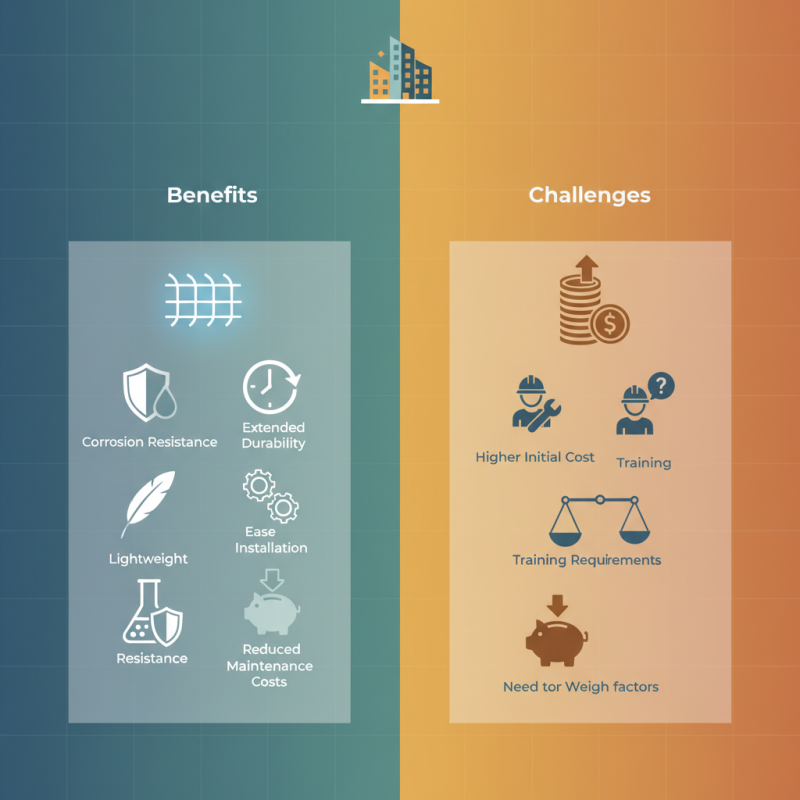
Overview of GFRP Rebars and Their Composition
GFRP (Glass Fiber Reinforced Polymer) rebars have gained popularity in construction due to their unique composition and properties. Composed mainly of fiberglass strands and a resin matrix, they provide a lightweight yet strong alternative to traditional steel reinforcement. This composite material boasts a high tensile strength, sometimes exceeding 500 MPa, while remaining resistant to corrosion. According to a 2022 report from the International Journal of Construction Materials, GFRP rebars can last up to three times longer than steel in harsh environments.
The lightweight nature of GFRP also allows for easier handling and installation on site. Construction workers report that GFRP rebars can reduce labor costs by as much as 25%. Additionally, these materials are non-magnetic and non-conductive, making them advantageous in specific applications, such as bridges and marine structures. However, there are challenges. GFRP can be more expensive upfront, and its bonding properties require careful consideration during design.
Despite their advantages, there remains a learning curve for engineers and contractors unfamiliar with GFRP. The adaptability of standard practices in working with these materials might not be immediate. Moreover, the lack of established codes and standards for GFRP use can make some projects hesitate to adopt this innovative option fully. Continued research and development are crucial to overcome these barriers.
Mechanical Properties of GFRP Rebars Compared to Traditional Steel
GFRP (Glass Fiber Reinforced Polymer) rebars have become increasingly popular in construction. These bars offer several advantages over traditional steel. One of the key differences lies in their mechanical properties. GFRP rebars are lightweight and corrosion-resistant. Unlike steel, they do not rust, which can be a significant issue in many environments. They maintain their strength over time, ensuring the longevity of structures.
In terms of tensile strength, GFRP rebars perform well, although they may not reach the same levels as high-strength steel. Still, they excel in applications where weight and corrosion are critical factors. Structures exposed to harsh conditions often benefit from using GFRP over steel. Overall, engineers are finding these materials are beneficial for projects that prioritize durability.
Tip: Always consider the environmental factors of your construction site. GFRP is especially advantageous in coastal areas or regions with high humidity.
Another point to consider is cost. While GFRP rebars can be more expensive upfront compared to steel, their long-term benefits might outweigh initial costs. Builders should evaluate these materials based on their specific project needs. The choice between GFRP and steel should focus on performance, longevity, and total cost of ownership.
Tip: Consult with an expert to assess what material is best for your project. Their insight can help you avoid potential pitfalls in material selection.
Corrosion Resistance and Longevity of GFRP Rebars in Construction
GFRP (Glass Fiber Reinforced Polymer) rebars offer remarkable advantages in construction, particularly in their corrosion resistance and longevity. Traditional steel reinforcement typically succumbs to rust, especially in humid and salty environments. According to industry reports, GFRP rebars have a corrosion resistance rate up to 100 times higher than that of steel. This makes them ideal for structures exposed to harsh conditions, such as bridges and coastal buildings.
The longevity of GFRP rebars is significant. With a lifespan that can exceed 50 years, they reduce maintenance costs over time. A study by the American Concrete Institute highlighted that structures using GFRP reinforcement can cut life-cycle costs by nearly 30%. This durability is especially critical in regions where maintaining infrastructure is challenging and costly. While GFRP is durable, some may find its initial cost to be higher than steel. However, this can be offset by reduced maintenance and replacement expenses.
Tip: Consider GFRP rebars for projects in corrosive environments. Evaluate the potential long-term savings versus upfront costs. Not every project requires GFRP, so assess your specific needs. Understanding the balance between cost and longevity is essential for informed decision-making.
Lightweight Advantages and Installation Benefits of GFRP Rebars
GFRP rebars, or Glass Fiber Reinforced Polymer rebars, are transforming construction. Their lightweight nature is one of the most notable advantages. Unlike traditional steel, GFRP rebars are significantly less dense. This feature not only makes handling easier but also reduces transportation costs. Workers can easily lift and place these bars without heavy machinery.
Installation benefits extend beyond physical weight. GFRP rebars are resistant to corrosion, which is crucial for longevity. In environments where moisture and chemicals might compromise materials, these rebars maintain structural integrity. This reduces future repair costs and labor associated with maintaining traditional materials. However, some construction teams may need training to adapt to new installation techniques. It’s important to address these challenges while embracing innovation.
The application of GFRP rebars can lead to a shift in conventional construction thinking. While the initial switch might present challenges, the long-term benefits can outweigh initial adjustments. The industry is evolving, and the use of GFRP rebars could play a key role in sustainable construction practices. The path forward calls for flexibility and an open mindset.
Benefits of GFRP Rebars in Construction
Cost-Effectiveness and Sustainability of Using GFRP Rebars in Projects
The construction industry is increasingly turning to GFRP (Glass Fiber Reinforced Polymer) rebars for various projects, highlighting their cost-effectiveness and sustainability. Research from the American Concrete Institute suggests that GFRP rebars can reduce construction costs by up to 25% compared to traditional steel. This is largely due to their lighter weight and resistance to corrosion, which minimizes the need for frequent replacements and maintenance.
Moreover, GFRP rebars are made from sustainable materials, aligning with eco-friendly construction practices. They can significantly lower the carbon footprint of projects. A report by the National Institute of Standards and Technology estimates that utilizing GFRP can decrease greenhouse gas emissions by 50% over a structure's lifespan.
However, challenges remain. The initial cost of GFRP materials can be higher. This might deter some contractors from making the switch. Additionally, the lack of familiarity with handling these materials can lead to miscalculations in structural design. Ultimately, while the benefits are clear, careful consideration of these factors is essential for optimal implementation.
What Are the Benefits of GFRP Rebars in Construction? - Cost-Effectiveness and Sustainability of Using GFRP Rebars in Projects
| Benefit | Description | Impact on Cost | Environmental Impact |
| Lightweight | GFRP rebars are significantly lighter than traditional steel rebars, reducing transportation and labor costs. | Lower shipping and handling costs. | Less fuel consumption during transport, resulting in lower carbon emissions. |
| Corrosion Resistance | GFRP rebars do not rust, making them ideal for use in harsh environments. | Reduced maintenance and replacement costs over time. | Longer lifespan contributes to sustainability by lowering the need for frequent repairs. |
| Electrical Insulation | GFRP rebars have non-conductive properties, making them suitable for projects where electrical interference is a concern. | Potentially reduces costs related to electrical grounding solutions. | Supports green building practices by integrating low-conductivity materials. |
| Thermal Performance | GFRP provides excellent thermal insulation properties. | Can potentially lead to lower heating and cooling costs in buildings. | Improves energy efficiency, contributing to reduced energy consumption. |
| Sustainability | GFRP rebars are often made from recycled materials and are fully recyclable. | Long-term cost savings with a focus on recycling. | Supports sustainable construction practices. |