What are the Best Solar Applications for Global Buyers?
Solar Applications have become vital in the global shift toward sustainable energy. Buyers around the world seek reliable solutions to reduce costs and environmental impact. Understanding the best solar applications requires experience with diverse markets and technologies.
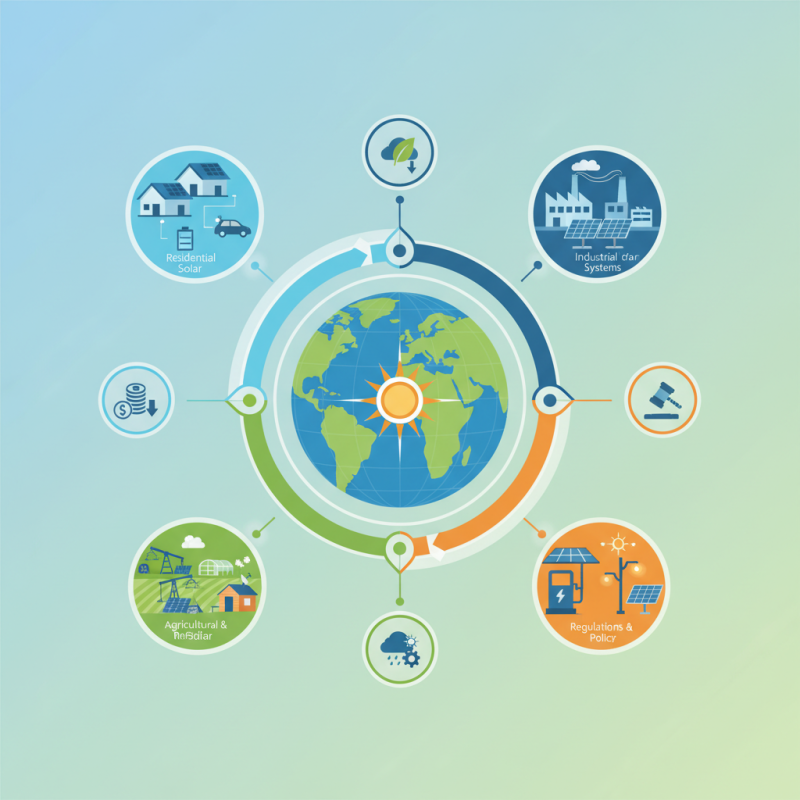
From residential solar panels to large-scale industrial systems, the options vary widely. Each application suits different climates, budgets, and energy needs. Sometimes, choices are limited by local regulations or infrastructure challenges. These factors complicate decision-making, highlighting the need for expert guidance.
Despite rapid advancements, some solar applications remain underutilized or misunderstood. Buyers must carefully assess product quality and installation practices to avoid costly mistakes. Reflecting on these challenges can lead to smarter, more effective solar investments worldwide.
Overview of Solar Applications in Global Markets
Solar energy has emerged as a pivotal solution for global buyers seeking sustainable alternatives. Various applications span across different sectors, highlighting the versatility of solar technology. Solar panels, for instance, can be installed on rooftops. These installations reduce energy costs and carbon footprints, making them attractive for residential and commercial users.
In agriculture, solar power is harnessed for irrigation and lighting. Farmers are using solar-driven pumps to access water from deep wells. This innovation enhances crop yields and promotes sustainable farming practices. Furthermore, solar energy storage systems allow users to harness energy even during non-sunny periods, ensuring reliability in energy supply.
The global market sees a significant shift towards off-grid solar solutions. Rural communities lacking grid access benefit immensely from solar technology. However, integrating solar solutions often encounters challenges such as initial costs and maintenance. Buyers must weigh these factors carefully. A strategic approach to solar investment can lead to long-term benefits, but awareness of possible hurdles is essential.
Global Solar Applications Overview
Residential Solar Energy Solutions for Homeowners
Homeowners are increasingly turning to solar energy solutions. These systems can reduce electricity costs and lessen environmental impact. Many residential options are now available. Each offers unique features tailored for different needs.
Solar panels installed on rooftops are popular. They harness sunlight to generate electricity. This reduces reliance on the grid. However, installation costs can be high. Some homeowners worry about the return on investment. It may take years to see savings.
Another option is solar battery storage systems. These allow homeowners to store excess energy for later use. This enhances energy independence. Yet, battery technology is still evolving. Some models may not last as long as expected.
Combining solar panels with energy-efficient appliances can maximize benefits. Smart energy management offers insight into usage patterns. This can lead to better decisions. Homeowners must remain diligent. Evaluating options carefully is essential to achieve the best outcomes.
Commercial Solar Installations for Businesses
Commercial solar installations present a unique opportunity for businesses to enhance their sustainability efforts. By harnessing solar energy, companies can reduce operational costs significantly. Many businesses report savings on electricity bills that can be redirected to other areas, such as hiring staff or upgrading equipment. This transition not only supports financial health but also improves brand image.
However, the path to solar adoption isn't always smooth. Companies face challenges like high initial investment and navigating regulatory landscapes. Many businesses underestimate the time needed for return on investment. It is essential for owners to thoroughly research local laws and incentives to avoid costly mistakes. Regular maintenance of solar systems must also be considered. Even minor issues can hinder performance if not addressed promptly.
Customization is crucial for making installations effective. Each business has unique energy needs and roof layouts. Consulting with reliable experts can provide tailored solutions that maximize energy production. Without this step, businesses risk underutilizing their solar potential. While solar offers clear advantages, careful planning and ongoing evaluation are necessary to reap the full benefits.
Solar-Powered Transportation Options Available Globally
The shift towards solar-powered transportation has gained momentum worldwide. Electric vehicles (EVs) are a popular choice, with reports indicating that global EV sales reached 6.6 million units in 2021, representing a 108% increase from the previous year. This trend reflects a growing awareness of climate change and the need for sustainable solutions. Cities are increasingly adopting solar charging stations to support this transition. These stations not only reduce carbon emissions but also utilize clean energy.
In addition to electric cars, solar-powered public transportation is emerging. Buses and trains integrated with solar technology are being deployed in urban areas. For instance, a study shows that solar-powered buses can reduce fuel costs by up to 90%. However, challenges remain, such as the initial investment and the need for efficient solar infrastructure.
Moreover, solar bicycles are gaining traction as an eco-friendly alternative for short-distance travel. They are equipped with solar panels, harnessing energy for battery support. Although the concept is still developing, it illustrates the potential for solar advancements. The integration of solar technology in different transportation modes highlights the urgency for innovation. Climate change demands action, and solar solutions are a promising step forward, but they require ongoing refinement and commitment from both consumers and manufacturers.
What are the Best Solar Applications for Global Buyers? - Solar-Powered Transportation Options Available Globally
| Application | Description | Main Features | Global Popularity | Estimated Cost (USD) |
| Solar-Powered Cars | Electric vehicles powered by solar panels. | Zero emissions, renewable energy use, reduced fuel costs. | High | $20,000 - $50,000 |
| Solar Bicycles | Bicycles equipped with solar panels to assist in charging batteries. | Lightweight, eco-friendly, energy-efficient. | Medium | $1,200 - $3,500 |
| Solar Boats | Boats powered by solar energy. | Quiet operation, sustainable, high-efficiency solar panels. | Low | $50,000 - $500,000 |
| Solar Trains | Trains that use solar power for propulsion. | High capacity, efficient travel, renewable energy use. | Emerging | $8 million - $40 million |
| Solar-Powered Skateboards | Electric skateboards that recharge using solar energy. | Portable, lightweight, eco-friendly transport. | Growing | $400 - $1,200 |
Innovative Solar Technologies for Agricultural Use
Agriculture has seen remarkable advancements through innovative solar technologies. Solar-powered irrigation systems stand out as a game-changer. These systems utilize photovoltaic panels to power pumps, effectively reducing reliance on traditional energy sources. According to a report from the International Renewable Energy Agency (IRENA), solar irrigation can increase crop yields by over 30%. This enhancement directly impacts food security, especially in arid regions.
Another critical application is solar greenhouses. These structures rely on solar energy for heating and cooling, optimizing plant growth conditions. A study published by the Food and Agriculture Organization (FAO) found that solar greenhouses can extend the growing season by 2-3 months. However, these setups can be costly and require careful planning to maximize efficiency.
While the benefits of solar applications in agriculture are clear, challenges persist. Not all regions have sufficient sunlight year-round. Farmers may also face difficulties in accessing financing for these technologies. As the agricultural sector evolves, continuous adaptation and improvement of solar applications will be vital. This requires a commitment to research and development, ensuring that innovative solutions can meet the diverse needs of global agriculture.
Conclusion
The article "What are the Best Solar Applications for Global Buyers?" provides a comprehensive overview of the diverse solar applications that cater to various needs across global markets. It explores residential solar energy solutions that empower homeowners to harness clean energy for their daily needs, alongside commercial solar installations that help businesses reduce operational costs while promoting sustainability.
Additionally, the article highlights innovative solar-powered transportation options, showcasing a shift towards greener mobility. Agriculture also benefits from emerging solar technologies, improving efficiency and productivity in farming practices. The piece concludes by discussing emerging trends in solar energy usage worldwide, emphasizing the growing adoption of solar applications across different sectors. This insight not only reflects the rising demand for sustainable energy solutions but also illustrates the potential of solar energy to transform various industries globally.