Best Vertical Slurry Pump Options for Efficient Pumping Solutions?
In the mining and industrial sectors, efficient pumping solutions play a vital role. One crucial piece of equipment is the vertical slurry pump. These pumps are designed to handle abrasive and viscous materials, making them essential for effective operations. According to a report by Grand View Research, the global slurry pump market is projected to reach USD 4.62 billion by 2025, reflecting a significant demand for high-performance options.
vertical slurry pumps offer enhanced efficiency and reliability compared to traditional pumps. They have a unique design that minimizes maintenance needs while maximizing performance. However, selecting the best option can be challenging. Factors such as pump size, material compatibility, and application specifics require careful consideration. Industry experts emphasize the importance of assessing total cost of ownership, which many overlook.
Despite their advantages, vertical slurry pumps are not without limitations. Users may encounter issues with cavitation and wear, particularly in abrasive applications. Continuous improvement and innovative designs are essential to address these challenges effectively. A thorough evaluation of potential options enables companies to improve their pumping processes while reducing operational costs.
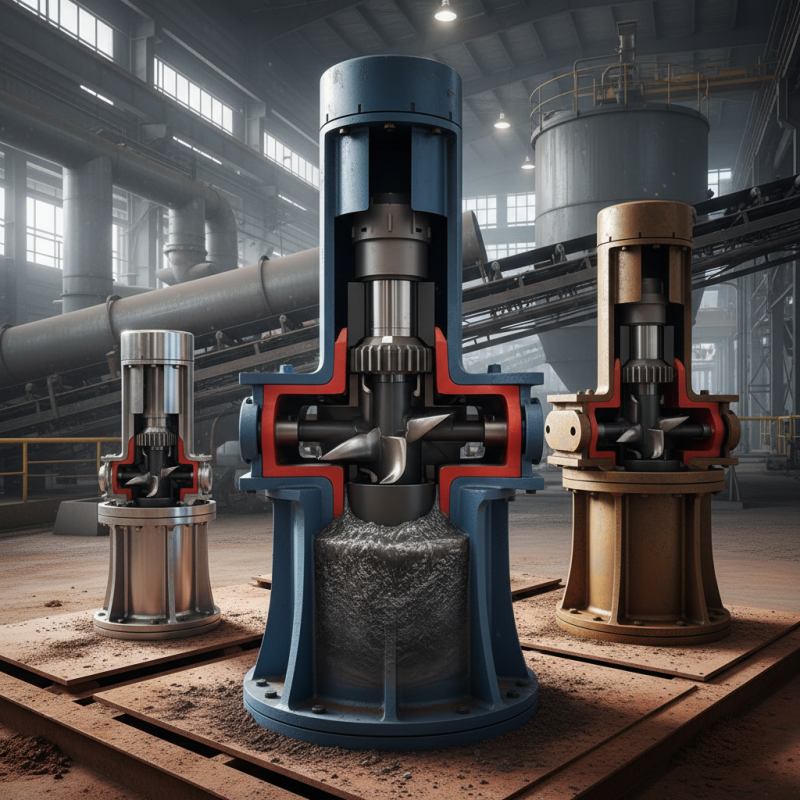
Overview of Vertical Slurry Pumps and Their Applications
Vertical slurry pumps play a crucial role in various industries, including mining, wastewater treatment, and construction. These pumps are designed to handle thick, abrasive fluids and suspended solids. Their vertical configuration allows them to save space while ensuring efficient operation. Industries rely on these pumps for continuous operation, especially in applications where minimizing downtime is essential.
The applications of vertical slurry pumps are diverse. They are commonly used for transferring slurries in mineral processing and transporting tailings. In wastewater facilities, they help move sludge and sludge mixtures. However, users often overlook essential maintenance practices. Neglecting regular checks can lead to performance issues and unexpected failures. A high level of wear can compromise pump efficiency. Understanding the unique characteristics of vertical slurry pumps is crucial for optimal performance and reliability.
Choosing the right pump isn't straightforward. Factors like fluid density, temperature, and particle size must be considered. Users may struggle to find the perfect fit for their specific needs. Each application presents unique challenges. Furthermore, not all pumps are created equal, and the selection process can lead to frustration. Understanding both the limitations and benefits of vertical slurry pumps is vital for any operation looking to enhance its pumping solutions.
Key Features to Consider When Selecting a Vertical Slurry Pump
When selecting a vertical slurry pump, several key features can significantly enhance your pumping efficiency. Consider the pump's material composition. A robust construction can resist wear caused by abrasive materials. Common materials include stainless steel, cast iron, and rubber-lined options. The right choice depends on the specific slurry characteristics. According to industry reports, pumps made with high-quality materials have a longer lifespan, reducing maintenance costs by up to 25%.
Another critical feature is the pump's capacity. Make sure to match the pump's flow rate with your operational requirements. A pump that is under or over-specified can lead to inefficiency. Research shows that optimal capacity utilization improves energy efficiency by 15%, yielding considerable savings. Look for pumps designed for high solids content, as they can handle denser mixtures effectively.
**Tips**: Always consult with experts to determine the right pump size. Take note of the available power supply to avoid operational issues. Monitor performance metrics throughout operation to identify early signs of wear. This can help in making timely maintenance decisions and extending pump life. Remember, the right choice today can save costs in the long run.
Top Vertical Slurry Pump Brands and Their Best Models
When considering vertical slurry pumps, various brands offer unique features and benefits. These pumps excel in handling slurries, which are mixtures of solids and liquids. They are essential in industries such as mining, wastewater treatment, and construction. Reliable brands often prioritize durability and efficiency, ensuring optimal performance in challenging environments.
One notable type of vertical slurry pump is designed with a high chrome material. This construction provides excellent wear resistance. Another model features a unique impeller design that ensures better flow rates. Such innovations greatly improve efficiency in transferring abrasive materials. However, maintenance is crucial. Neglecting routine checks can lead to performance issues. Frequent wear and tear can occur, so users must be vigilant.
In the market, you may find varying degrees of customer support and warranty options. Some brands offer extensive training and resources to assist users. Others may fall short, leaving customers in uncertain situations. This inconsistency emphasizes the need for careful research. Evaluating customer reviews and expert opinions can guide your choice.
Best Vertical Slurry Pump Options for Efficient Pumping Solutions
| Model | Flow Rate (m³/h) | Max Head (m) | Impeller Diameter (mm) | Weight (kg) |
| Model A | 100 | 30 | 250 | 150 |
| Model B | 120 | 40 | 300 | 180 |
| Model C | 90 | 25 | 200 | 120 |
| Model D | 110 | 35 | 280 | 160 |
| Model E | 130 | 45 | 320 | 200 |
Comparative Analysis of Vertical Slurry Pumps for Different Industries
In various industries, vertical slurry pumps serve crucial roles. They efficiently handle abrasive and viscous materials. According to a recent industry report, the global vertical slurry pump market is projected to grow at a CAGR of 5.6% from 2023 to 2030. This growth highlights the increasing demand for reliable pumping solutions in sectors like mining, construction, and wastewater management.
When analyzing options, it's essential to consider specific needs. For mining applications, pumps must withstand harsh conditions. In construction, versatility and portability are key. The wastewater sector prioritizes reliability and low maintenance. A study from the American Society of Mechanical Engineers emphasizes that the right pump choice directly impacts operational efficiency. Up to 15% of energy could be wasted if the pump isn't suited for the job.
Yet, not all pumps meet every industry requirement. Some may not handle high solids content well. Others might suffer from excessive wear in abrasive environments. Understanding these limitations is crucial. Investment in the right vertical slurry pump can lead to significant long-term savings and efficiency gains.
Maintenance Tips for Ensuring Long-Lasting Performance of Pumps
Maintaining a vertical slurry pump is crucial for its efficiency and longevity. Regular inspections can identify wear and tear early. Checking seals and impellers often helps prevent bigger issues down the line. Look for signs of corrosion or blockage. These problems can significantly affect performance.
When replacing parts, prioritize quality over cost. Cheap components might save money initially but can lead to frequent breakdowns. Ensure all fittings are tight and secure. Loose connections can lead to leaks. It's a detail that’s easy to overlook but essential for effective operation.
Routine cleaning of the pump and surrounding areas is important. Build-up of materials can impede performance. Schedule downtime for maintenance to avoid unexpected failures. This approach leads to a smoother operation and boosts reliability, ultimately saving time and resources.