How to Choose the Best Gasoline Parking Heater for Your Vehicle?
Choosing the best Gasoline Parking Heater for your vehicle is crucial for comfort in harsh weather. According to a recent industry report by Frost & Sullivan, the global market for such heaters is expected to reach $1.2 billion by 2026. As vehicles become essential for daily life, their functionality in extreme conditions cannot be overlooked.
Industry expert James Thompson states, "A reliable Gasoline Parking Heater can transform your driving experience during the cold months." His insights highlight the importance of selecting a heater that fits your specific vehicle needs. Various options on the market offer different features and capacities, making it challenging for consumers to decide.
However, not all heaters are created equal. Some may lack efficiency or have durability issues. It’s vital to consider factors like heating efficiency, fuel consumption, and installation ease. This selection process can feel overwhelming, yet it’s essential for ensuring the heater performs well under demanding conditions.
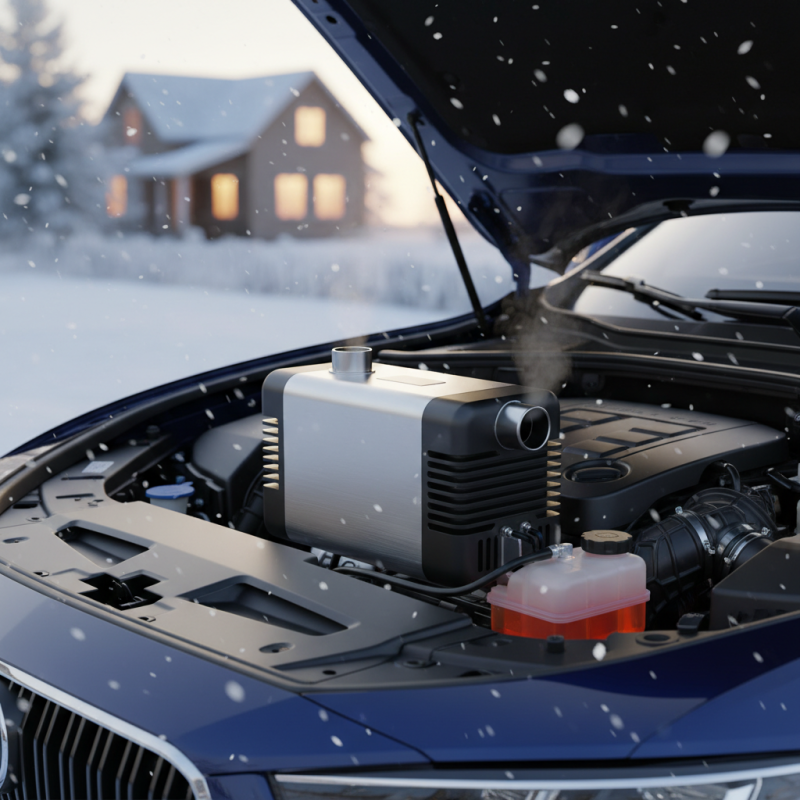
Understanding the Basics of Gasoline Parking Heaters
Gasoline parking heaters are essential for many vehicle owners, especially in colder climates. They provide warmth to your car’s interior without needing to run the engine. According to industry reports, the market for vehicle parking heaters is expected to grow significantly, with an annual growth rate of approximately 5.5% through 2025.
When choosing a gasoline parking heater, understanding your vehicle's needs is crucial. Factors like engine type, size, and fuel efficiency matter significantly. Most models can warm up your vehicle in minutes, but their output varies. Some heaters produce around 2 kW, while others exceed 5 kW. This range affects both heating efficiency and fuel consumption.
**Tip:** Always check the heater's compatibility with your vehicle. An incompatible heater may not function correctly and can lead to inefficient heating.
Installation is another area to consider. Improper installation can cause safety hazards. Ensuring the unit is securely mounted is vital. Additionally, pay attention to the fuel consumption rates, as some heaters may consume more fuel than expected.
**Tip:** Monitor heater usage to avoid wasting fuel and ensure longevity.
Reading user reviews and consulting professionals can provide insights into various models. Features like programmable timers or remote start can enhance convenience but might complicate selection. Balancing required features and efficiency is key to making the right choice.
Gasoline Parking Heater Efficiency Comparison
This bar chart represents the efficiency of various gasoline parking heater models. The efficiency rating is given in percentage, showing how effective each model is in converting fuel to heat effectively.
Factors to Consider When Selecting a Parking Heater for Your Vehicle
Choosing the right gasoline parking heater for your vehicle requires careful consideration. Start by evaluating the heater's heating capacity. This will determine how quickly your vehicle warms up. A heater with a higher BTU rating can heat larger vehicles more efficiently. Make sure to match the heater’s capacity to your vehicle size.
Another crucial factor is installation. Some heaters require complex setups, while others offer easier options. Think about your mechanical skills. Installation may take longer than expected. Additionally, consider the fuel consumption. A heater that consumes too much fuel may lead to increased costs in the long run.
Safety features are also important. Look for heaters with automatic shut-off systems to avoid overheating. They should be easy to operate and maintain. The design should allow for proper airflow. Sometimes, owners overlook these aspects, leading to issues later. Your choice might feel overwhelming, but focusing on these details can clarify your decision.
How to Choose the Best Gasoline Parking Heater for Your Vehicle? - Factors to Consider When Selecting a Parking Heater for Your Vehicle
| Feature | Description | Importance Level | Typical Price Range |
| Heating Capacity | The power of the heater to raise the temperature effectively. | High | $300 - $800 |
| Fuel Efficiency | How much fuel the heater consumes per hour of operation. | Medium | $250 - $650 |
| Installation Complexity | Ease or difficulty of installing the heater in your vehicle. | Medium | $100 - $500 |
| Portability | How easily the heater can be moved or stored when not in use. | Low | $200 - $600 |
| Durability | The longevity and build quality of the heater. | High | $300 - $1000 |
| Safety Features | Built-in features to prevent hazards during operation. | Critical | $250 - $700 |
| Noise Level | The amount of noise generated during operation. | Medium | $150 - $500 |
Comparing Different Brands and Models of Gasoline Parking Heaters
When it comes to choosing a gasoline parking heater, various brands and models can complicate the decision. Each option offers unique features and specifications. Some heaters focus on efficiency, heating quickly while using minimal fuel. Others may prioritize durability, built to withstand harsh weather conditions. The diversity often leaves buyers uncertain.
The installation process is another crucial factor. Some models are designed for easy DIY setups, while others require professional help. A model that saves on installation costs can appeal to budget-conscious consumers. Yet, ease of use might lead to overlooked details during set-up. Potential users often underestimate the need for thorough manual reading.
In terms of maintenance, certain brands might seem less demanding. However, neglecting regular service can lead to performance issues. You might think you saved time, but are you risking safety? A well-regarded model might have a reputation for reliability but could still fail under specific conditions. Therefore, careful comparison of user reviews and experiences is essential to making an informed choice.
Installation Considerations for Gasoline Parking Heaters
When installing gasoline parking heaters, several critical factors must be considered. Location is paramount. The heater should be mounted in a spot that allows for optimal airflow and exhaust routing. Improper placement can lead to inefficiencies or safety hazards. According to industry reports, improper installation is a significant contributor to 25% of heater performance issues.
Moreover, the type of vehicle affects installation decisions. Different models may require unique mounting brackets or additional piping. Ensure compatibility with your vehicle’s electrical system; inadequate power supply can hinder heater performance. Industry standards suggest verifying voltage requirements before installation.
Finally, safety features are crucial. Check that the unit is equipped with necessary sensors and automatic shut-off options. Research indicates that systems lacking robust safety measures are prone to malfunctions, which could be dangerous. Failure to reflect on these aspects can lead to operational challenges down the road. Investing time in careful installation can enhance system longevity and operational efficiency.
Maintenance Tips for Ensuring Optimal Performance of Your Heater
Maintaining a gasoline parking heater is essential for optimal performance. Regular maintenance can greatly extend its lifespan. Start by checking the fuel lines for leaks or cracks. Small issues like these can lead to inefficiencies or even safety hazards. Keep the fuel tank clean; a dirty tank can cause blockages. Make it a habit to inspect your heater before the cold season begins.
Ensure that the heater's combustion chamber is free of soot. A buildup can affect efficiency and create harmful emissions. Use a soft brush to gently clean this area. Pay attention to the heater's electrical connections too. Loose or corroded connections can lead to malfunctions. Remember to consult the user manual for specific maintenance instructions.
Sometimes, we forget to check the thermostat settings. An incorrect setting can lead to overheating or underperformance. Keeping an eye on oil levels is also important. Running on low oil can cause severe damage. While maintenance might seem tedious, it’s better than dealing with a broken heater in the middle of winter. Don't overlook these details; small adjustments matter.