How to Choose the Best Solar Storage System for Your Home?
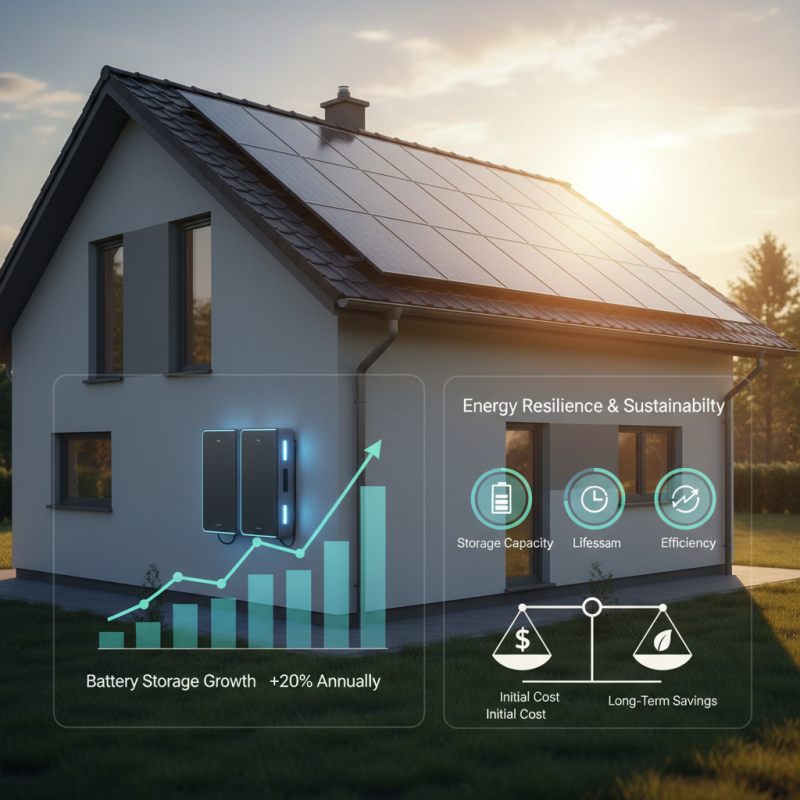
When considering solar energy for your home, choosing the right Solar Storage system is crucial. Solar storage, or battery storage, enables homeowners to store excess energy generated during the day. According to the U.S. Energy Information Administration (EIA), battery storage for solar systems is expected to grow by over 20% annually. This shift highlights the increasing demand for energy resilience and sustainability.
Homeowners often face challenges in selecting an appropriate solar storage system. Key factors include storage capacity, lifespan, and efficiency. Data from the National Renewable Energy Laboratory (NREL) indicates that high-capacity systems can significantly lower electricity bills over time. However, not all systems perform equally, leading to confusion and misinformed decisions. Homeowners need to evaluate both their energy needs and the system’s specifications carefully.
It’s important to remember that not every storage solution is the best fit. For some users, high initial costs might not justify long-term savings. The decision should balance performance with affordability. With careful thought, you can find a solar storage system that meets your unique needs and supports your sustainability goals.
Understanding Solar Storage Systems and Their Importance
Solar storage systems play a crucial role in maximizing the benefits of solar energy. They store excess energy generated during the day. When the sun sets, this stored energy can be used, reducing dependency on the grid. This ability to balance energy consumption is significant for homeowners aiming for sustainability.
Understanding these systems means knowing their various types, such as lithium-ion and lead-acid batteries. Lithium-ion batteries offer higher efficiency and longer lifespan. However, they may come at a higher cost and have some environmental concerns. Lead-acid batteries are generally cheaper but require more maintenance. This trade-off can be confusing. It’s essential to assess your energy needs carefully.
Not every home is ideal for solar storage. Some homes may have limited roof space or face shading issues. It’s necessary to evaluate your solar panel setup first. The size of the storage system should match your energy consumption patterns. Oversizing or under-sizing can lead to inefficiencies. Considering these factors can be challenging but is crucial for making an informed decision.
Key Factors to Consider When Choosing a Solar Storage System
Choosing the right solar storage system is vital for optimizing home energy use. One key factor is battery capacity. Look for systems with a capacity between 10 kWh and 20 kWh. This range is ideal for most households and allows for overnight energy consumption. According to industry reports, a battery capacity of 13 kWh can cover 80% of daily energy needs for an average family.
Another important consideration is the lifespan of the battery. Lithium-ion batteries typically last 10 to 15 years, but their performance may degrade over time. The depth of discharge (DoD) is also crucial. Most lithium-ion batteries have a DoD of around 80%. This means you can use 80% of the battery’s capacity safely. Be cautious; lower DoD can limit the system's efficiency.
Cost is a significant concern. Prices for solar storage systems range widely. Average installation costs can vary by region, often between $5,000 and $15,000. While the initial investment is substantial, many systems provide long-term savings. However, it’s essential to calculate the payback period. Reflect on whether the savings align with your energy use patterns and financial situation. Ensure you consider these factors carefully before making a decision.
Comparing Different Types of Solar Batteries on the Market
When selecting a solar storage system, understanding the types of solar batteries available helps significantly. Lithium-ion batteries are popular for their high energy density and efficiency. They can store more energy in a smaller space. According to a report by the National Renewable Energy Laboratory (NREL), they offer a lifespan of about 10-15 years, making them a reliable choice for homeowners.
Lead-acid batteries, on the other hand, are more affordable upfront. However, their shorter lifespan—typically around 3-7 years—can lead to higher long-term costs. A recent market analysis suggested that while lead-acid batteries are cost-effective initially, their lower depth of discharge may not maximize your energy use effectively. Thus, homeowners should weigh initial savings against long-term viability.
Consider older technologies as well. Flow batteries, for instance, have better longevity but are less common. Their complexity can make them difficult to install. The International Energy Agency (IEA) notes that as technology evolves, newer battery systems may soon dominate. Homeowners must keep this in mind when planning an upgrade. Each option has trade-offs, and the right choice depends on individual energy needs and budget.
Evaluating Storage Capacity and Power Output Requirements
When selecting a solar storage system, understanding storage capacity is crucial. This capacity refers to how much energy the system can hold. It is important to know your household’s energy needs. A larger family may require a system with higher capacity. Consider your daily energy consumption in kilowatt-hours (kWh). This figure will guide you toward the right storage solution.
Equally important is the power output requirement. This determines how quickly stored energy can be used. For example, during peak consumption hours, you need sufficient output. If a system can't keep up, you may face power shortages. Think about your peak usage times and adjust accordingly. It’s easy to overlook this aspect, but planning is essential. Reflect on your lifestyle, and avoid underestimating your needs. Think ahead to future energy demands as well.
Solar Storage System Capacity and Power Output Requirements
Assessing Installation Costs and Long-term Savings Potential
When choosing a solar storage system, installation costs are crucial. A typical system may range from a few thousand to tens of thousands of dollars. This variance depends on the battery type, system size, and specifics of your home. Hidden fees or unexpected installation expenses can pop up. Be prepared for these surprises.
Long-term savings are another essential factor. Solar storage can reduce electricity bills significantly over time. Consider how the system will function during outages. This increases your possible savings. However, remember that not all systems are equal. The technology is continually changing, and some may offer better efficiency than others.
Reflecting on personal needs is vital. What is your energy consumption? How often are outages in your area? These questions guide your decision. Choosing a solar storage system isn't just about saving money. It’s about enhancing your home’s resilience. Understanding both costs and potential savings requires careful consideration. It may not be straightforward, but thorough research pays off.
How to Choose the Best Solar Storage System for Your Home? - Assessing Installation Costs and Long-term Savings Potential
| System Type | Installation Cost ($) | Storage Capacity (kWh) | Warranty (Years) | Estimated Lifespan (Years) | Estimated Annual Savings ($) |
| Lithium-ion | 8,000 | 10 | 10 | 15 | 1,200 |
| Lead Acid | 5,000 | 8 | 5 | 10 | 800 |
| Saltwater | 7,000 | 9 | 10 | 15 | 1,000 |
| Flow Battery | 12,000 | 15 | 10 | 20 | 1,500 |