How to Choose Robot Lithium Batteries for Optimal Performance?
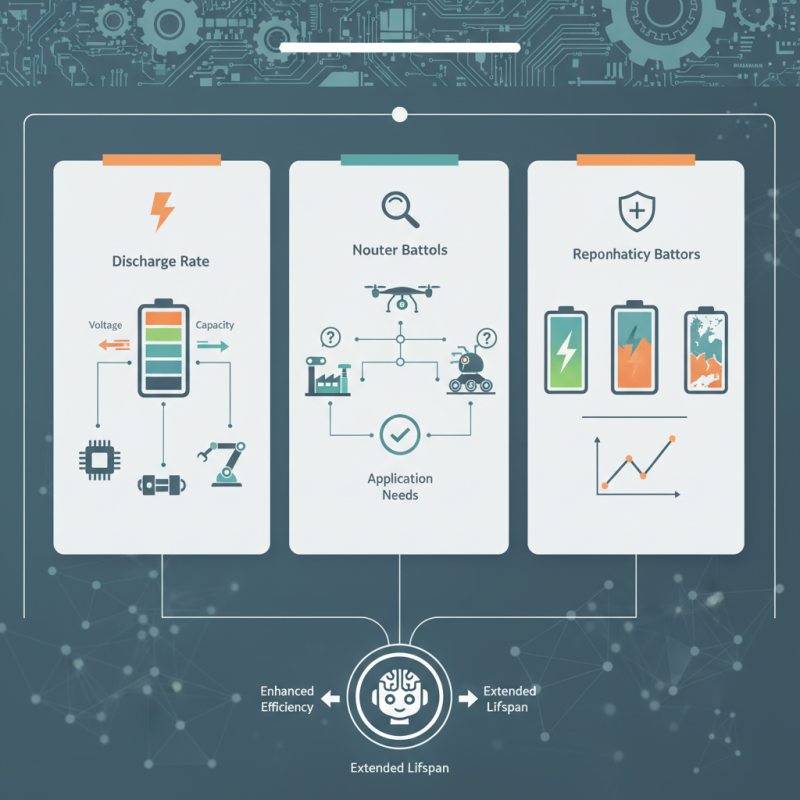
Choosing the right robot lithium battery is crucial for optimal performance. With various options available, making an informed decision can be daunting. A well-chosen battery enhances efficiency and lifespan.
Different factors influence battery selection. Understanding voltage, capacity, and discharge rates is vital. Each robot application has unique requirements. You might find that a battery performing well in one scenario fails in another. It’s essential to evaluate your robot's specific needs carefully.
Additionally, keep in mind the importance of quality. Not all lithium batteries are created equal. Some may promise high performance but fall short in real-world applications. Ultimately, a well-researched choice can lead to significant improvements in your robot's operation.
Factors to Consider When Selecting Lithium Batteries for Robots
Selecting lithium batteries for robots requires careful consideration of various factors. Capacity is key, as it directly influences runtime. A larger capacity battery may allow for longer operational periods, but size and weight increase too. According to industry data, batteries with a minimum capacity of 5000mAh are often preferred for medium-sized robots. They typically provide a balance between weight and performance.
Energy density is another crucial element. High energy density allows for lighter batteries, which enhances mobility. Research indicates that lithium batteries can achieve energy densities exceeding 250 Wh/kg. This makes them suitable for systems where weight matters. However, it’s vital to recognize that a higher energy density may also lead to a shorter lifespan.
Charging time and cycle life cannot be overlooked. Faster charging systems improve efficiency but may reduce the battery's lifespan. Data suggests that optimizing the charge cycles can extend battery life by up to 30%. It's important to strike a balance between speed and longevity. Additionally, the thermal management of the batteries can greatly affect performance. Poor heat dissipation might lead to decreased efficiency. Thus, selecting suitable lithium batteries involves addressing these complex trade-offs to ensure optimal operation.
Understanding Different Types of Lithium Batteries Used in Robotics
When selecting lithium batteries for robotics, understanding the various types is crucial. Lithium Polymer (LiPo) batteries are popular in many robots due to their lightweight and flexible designs. They can fit into tight spaces. However, they require careful handling and charging to prevent fire hazards. The balance between performance and safety is vital here.
Lithium-ion (Li-ion) batteries are another option. They typically have a longer lifespan than LiPo batteries. This can be beneficial for robots needing extended usage without frequent replacements. However, they tend to be heavier and may not suit all robotic applications. Their performance can also decline with temperature fluctuations, so environmental conditions should be considered.
We must not overlook the emerging technologies in lithium battery designs. Solid-state batteries promise higher safety and efficiency, but availability remains an issue. Some prototypes are still in development. This uncertainty raises questions about reliability and application readiness. As technology evolves, keeping an eye on these advancements is essential for optimal robotic performance.
How Battery Capacity Impacts Robot Performance and Efficiency
When selecting lithium batteries for robots, battery capacity plays a crucial role. Higher capacity means longer operational time. This increased run time can significantly enhance a robot's efficiency. However, it’s not just about having more capacity. Too large a battery can lead to heavier robots. This can affect their agility and performance. A delicate balance is essential.
Consider the tasks the robot will perform. Robots that navigate complex terrains may require different capacity batteries than those operating on flat surfaces. Lower-capacity batteries may suffice for simple tasks. Yet, they might limit the robot's range and operational time. In contrast, high-capacity batteries can shorten charging intervals, but they also demand more careful management. Regular monitoring of battery health is necessary. Not maintaining the right conditions can lead to performance issues.
Understanding the specific needs of your robotic application is vital. While larger capacity batteries provide benefits, they may not always be the best choice. Reflecting on your robot's design and its mission can guide the selection process. Not all situations require maximum power. Sometimes, efficiency and weight have to take precedence over sheer capacity.
Battery Capacity vs. Robot Performance
This bar chart displays the relationship between battery capacity and robot performance scores. As battery capacity increases, the performance score also increases, indicating better efficiency and functionality for robotics applications.
Charging and Maintenance Best Practices for Lithium Batteries
Charging lithium batteries properly is crucial for maximizing their lifespan. Use a charger specifically designed for lithium batteries. This helps avoid overheating and ensures safe charging. Monitor the battery's temperature during charging. If it feels too hot, disconnect it.
Regular maintenance can extend battery life as well. Keep the battery clean and free of debris. Inspect connections for wear or damage. Dust can cause poor contact, leading to inefficient performance. Store batteries in a cool, dry place. Avoid extreme temperatures; they can degrade battery health over time.
It's also important to practice mindful charging habits. Avoid letting the battery drain completely. This can lead to reduced capacity. Instead, aim to recharge it when it reaches around 20%. Remember, overcharging can also be damaging. Regular monitoring and care can make a significant difference in performance. Stay vigilant and proactive.
How to Choose Robot Lithium Batteries for Optimal Performance? - Charging and Maintenance Best Practices for Lithium Batteries
| Battery Type | Voltage (V) | Capacity (Ah) | Charging Current (A) | Lifecycle (cycles) |
| LiFePO4 | 12 | 100 | 20 | 2000 |
| Li-ion | 36 | 50 | 10 | 500 |
| Li-NCM | 24 | 80 | 15 | 1000 |
| Li-polymer | 7.4 | 30 | 5 | 300 |
Safety Considerations When Using Lithium Batteries in Robotics
When using lithium batteries in robotics, safety is paramount. These batteries can deliver high energy, but they must be handled with care. Proper storage is crucial. Avoid exposing them to extreme temperatures. Too much heat can lead to overheating or even fire. We should regularly check for physical damage, as it can compromise their integrity.
Charging protocols are another concern. Always follow the manufacturer's specifications for charging. Overcharging can cause leakage or swelling. It's also wise to use a smart charger. This can help regulate the charging process and prevent potential hazards. Ensure that the charging area is well-ventilated to dissipate any fumes produced during charging.
In addition, consider the environment where your robot will operate. Dust, moisture, and vibration can affect battery performance. Make sure your setup is compatible with the battery's design. Plan for easy access to batteries for quick replacements or inspections. Remember, a battery is a critical component. Safety and reliability should be your top priorities.