How to Choose the Right Carbon Fiber Round Tube for Your Project?
In recent years, the demand for high-performance materials has surged across various industries. A notable contender is the Carbon Fiber Round Tube, known for its remarkable strength-to-weight ratio. According to a report by the Global Carbon Fiber Market, the industry is expected to grow at a compound annual growth rate (CAGR) of over 10% through 2027. This growth emphasizes the material’s increasing significance in aerospace, automotive, and marine applications.
Choosing the right Carbon Fiber Round Tube for your project requires careful consideration of several factors. Engineers and designers must assess the specific mechanical properties and dimensions needed for their applications. The industry standard highlights that the tensile strength of carbon fiber can reach around 600 MPa, showcasing its advantage for structural integrity. However, not all products are created equal, and misjudging the specifications can lead to project failures.
It’s essential to understand that the selection process is not always straightforward. Variability in quality and production methods can complicate choices. Therefore, consulting reliable suppliers and industry experts is vital. The right Carbon Fiber Round Tube can significantly impact project success, while the wrong choice may result in costly setbacks. Knowing what to look for can empower you to make informed decisions.
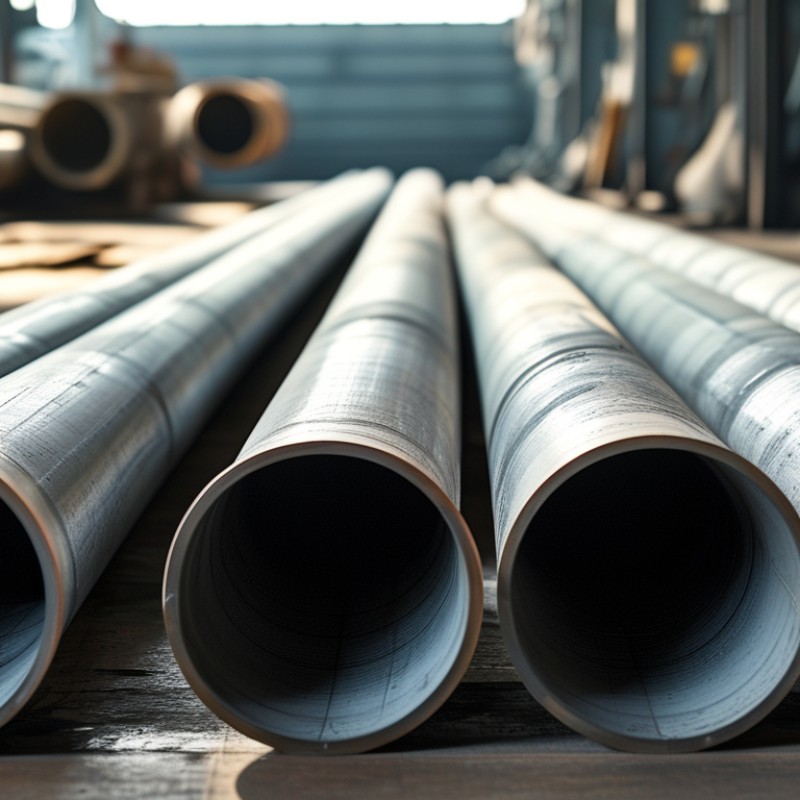
Understanding Carbon Fiber Round Tubes: Properties and Benefits
Understanding carbon fiber round tubes involves recognizing their unique properties and several inherent benefits. Carbon fiber is known for its high strength-to-weight ratio. It is five times stronger than steel yet weighs significantly less. This makes it an excellent choice for lightweight applications in aerospace, automotive, and sporting equipment. According to a report by Grand View Research, the global carbon fiber market size was valued at approximately $3.3 billion in 2020 and is projected to expand at a compound annual growth rate (CAGR) of 9.7% through 2028.
The advantages of carbon fiber round tubes extend beyond strength. They exhibit excellent resistance to corrosion and fatigue. This durability ensures longevity, making them a reliable option for various projects. Moreover, their ability to withstand extreme temperatures adds versatility. A study by the Journal of Composite Materials highlighted that carbon fiber can maintain its structural integrity at temperatures exceeding 300°C. However, given these remarkable attributes, proper selection is crucial. Not all carbon fiber tubes are equal in terms of stiffness or flexibility, and users must consider their specific project needs before choosing. Balancing cost and performance can also be challenging in a competitive market.
Material Properties Comparison of Carbon Fiber Round Tubes
Key Factors to Consider When Selecting Carbon Fiber Tubes
When selecting the right carbon fiber round tube, various factors are crucial. The tube's diameter significantly affects its strength and stiffness. A wider tube offers increased load-bearing capacity but may also add weight. Industry reports indicate that choosing the correct diameter can enhance performance by up to 30%.
Material layup is another vital consideration. Different weaves and patterns affect flexibility and tensile strength. A unidirectional fiber design may be ideal for projects requiring rigidity. In contrast, a woven pattern offers greater impact resistance. Data shows that using the right layup can reduce failure rates by 20% in high-stress applications.
Tip: Always assess the environmental conditions your tube will face. Factors like temperature and moisture can degrade carbon fiber over time. Consider performing regular maintenance checks for long-term projects. Additionally, reviewing compatibility with other materials is essential for optimal performance. The decision isn't just about strength; it's also about ensuring durability and longevity.
Comparison of Different Carbon Fiber Tube Specifications
When selecting a carbon fiber round tube for your project, understanding the specifications is crucial. Different tubes offer varying strength, weight, and flexibility. The tensile strength of a tube affects its durability. Higher tensile strength means more resistance to breaking under tension. Consider what loads your project will encounter.
Another vital factor is the diameter and wall thickness. A thicker wall means greater strength, but this adds weight. Balancing these attributes could be tricky. A lightweight tube may not handle stress well, while a very strong one can be overkill. Think about your project's specific requirements.
Lastly, the type of carbon fiber weave plays an important role. Standard weaves provide good all-around performance, while twill weaves offer flexibility. Reflect on the intended application of the tube. Each option has its pros and cons. Choose wisely, and remember that not all specifications fit every project perfectly.
Applications of Carbon Fiber Round Tubes in Various Industries
Carbon fiber round tubes have a wide range of applications across various industries. In aerospace, they help reduce weight while maintaining structural integrity. These tubes are crucial in manufacturing aircraft frames and components. Their resistance to corrosion and fatigue makes them ideal for harsh environments.
In the automotive industry, carbon fiber round tubes enhance performance. They are used in high-end vehicles for lightweight structures that improve fuel efficiency. Racing teams exploit these materials to gain an edge, as lower weight often translates into better speed and handling.
Tips: When selecting a carbon fiber tube, consider the specific requirements of your project. Analyze the loading conditions and environmental factors. Ensure the diameter and wall thickness are suitable for your design.
In recreational applications, such as cycling and sports equipment, carbon fiber round tubes provide a balance of strength and flexibility. By utilizing these materials, manufacturers can create lighter bikes and durable gear. However, be aware that improper design could compromise durability.
Concrete details matter, as even a minor miscalculation can lead to failure. It's essential to test prototypes thoroughly. This ensures reliability in real-world conditions. Understanding the material’s properties is key to successful integration in any project.
Tips for Sourcing High-Quality Carbon Fiber Round Tubes
When sourcing high-quality carbon fiber round tubes, understanding material properties is essential. Carbon fiber is known for its high strength-to-weight ratio. According to the Composites Manufacturing Association, carbon fiber composites can be up to five times stronger than steel while being significantly lighter. This makes them ideal for aerospace, automotive, and sporting goods applications.
Consider the manufacturing process of the tubes. The configuration of the fibers plays a crucial role in the performance of the final product. An even distribution of fibers can prevent weak points in the material. Moreover, sourcing tubes from ISO-certified manufacturers can ensure consistent quality. Reports have indicated that poorly manufactured carbon fiber can exhibit a strength variation of up to 20%. This variation can be detrimental to engineering applications.
It’s also vital to assess the resin system used in manufacturing. Different resin types can affect the tube's resistance to environmental factors. For instance, epoxy resin is often preferred for its durability and chemical resistance. Aspects like surface finish should not be overlooked either. A rough surface may indicate a lower-quality product, leading to adhesion issues in composite bonding. Evaluating these factors can help ensure the right tube for specific project needs.