How to Choose the Right Electric Forklift Battery for Your Needs?
Choosing the right Electric Forklift Battery is critical for operational efficiency. The global electric forklift battery market is expected to reach $6 billion by 2025, according to recent industry reports. With various battery types, understanding your specific needs becomes essential. A robust battery impacts productivity, safety, and maintenance costs.
Battery performance affects the overall lifespan of the electric forklift. Lithium-ion batteries offer a longer lifespan compared to traditional lead-acid options. Yet, their higher initial costs can be daunting for some businesses. Balancing upfront expenditure with long-term savings is vital for decision-making.
Furthermore, consider the charging infrastructure in your facility. A mismatch can lead to inefficient operations. Some companies still overlook the significance of battery specifications. Understanding energy density, cycle life, and discharge rates is crucial. You may need to re-evaluate your choices based on specific operational demands. This reflection ensures you select an electric forklift battery tailored to your unique requirements.
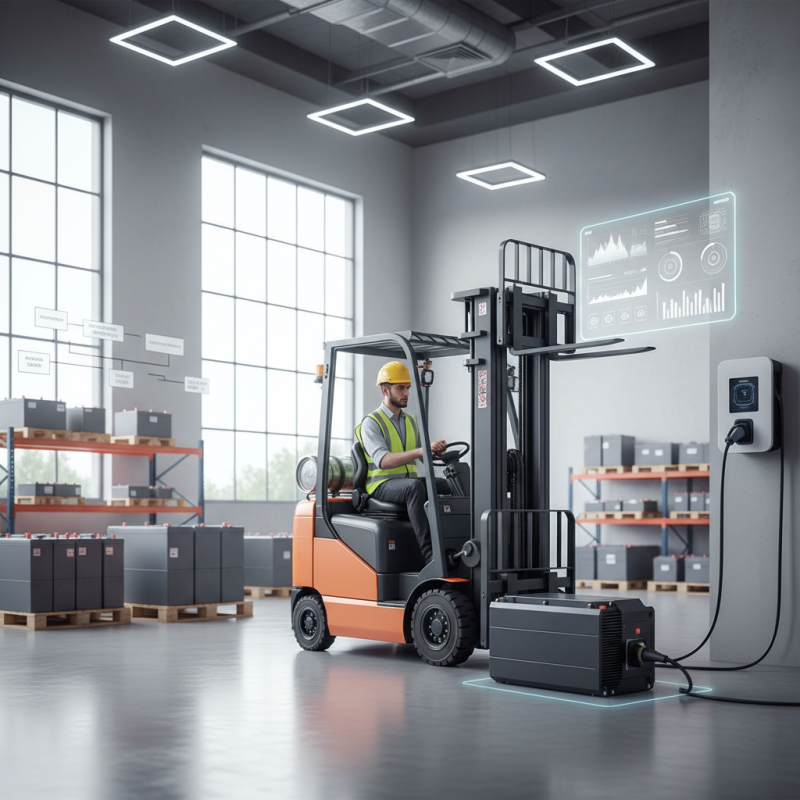
Understanding the Different Types of Electric Forklift Batteries
When selecting an electric forklift battery, understanding the different types is crucial. Generally, the primary types are lead-acid, lithium-ion, and nickel-cadmium batteries. Each type comes with unique benefits, limitations, and costs. According to a recent industry report, over 60% of warehouses still utilize lead-acid batteries due to their affordability and proven reliability. However, lithium-ion batteries are gaining popularity for their efficiency and longer lifespan.
Lead-acid batteries are heavy and require regular maintenance. They may not suit operations requiring rapid recharge cycles. Conversely, lithium-ion batteries are lighter and have a fast recharge time, making them ideal for busy environments. This technology can fully charge in less than an hour and last up to five times longer than lead-acid counterparts. Interestingly, some facilities report reducing downtime by about 30% after switching to lithium-ion.
Tips: When choosing a battery, consider the specific needs of your operations. Evaluate the average runtime, charging frequency, and weight capacity of the forklift. Additionally, assess the total cost of ownership, including maintenance. It’s wise to consult industry experts before deciding. They can provide insights based on experience and current trends. Understand that the best choice may differ from one application to another, and reflection on long-term needs is vital.
Assessing Your Forklift’s Power Requirements and Usage Patterns
When selecting an electric forklift battery, understanding your forklift’s power requirements and usage patterns is crucial. Assess how often the forklift is in operation. Frequent use demands a high-capacity battery. Short usage times may allow for smaller batteries. Evaluate the lift height and load weight each forklift handles. This data helps in predicting energy consumption.
Consider the charging environment too. Is the battery charged overnight or during breaks? Opportunity charging may affect battery selection. You need to ensure the battery can handle these charge cycles. Additionally, think about the typical temperature range in which your forklift operates. Extreme temperatures can decrease battery efficiency. Reflect on how these factors connect; overlooking them can lead to poor performance.
A common pitfall is prioritizing price over specifications. This decision could result in a battery that underperforms. It’s essential to match the battery with the logistic demands of your operation. Think critically about your choices. A misalignment can lead to reduced productivity or increased costs over time, impacting overall operations.
Evaluating Battery Life and Maintenance Needs
When selecting an electric forklift battery, evaluating battery life and maintenance is crucial. Battery life typically depends on the type and usage patterns. Lithium-ion batteries often last longer than lead-acid ones. However, they require different maintenance approaches. Understanding these needs can maximize your investment.
Tips: Regularly check water levels in lead-acid batteries. This helps maintain performance. Schedule consistent maintenance checks to avoid unexpected failures.
Also, consider the charging cycle. Frequent partial discharges are acceptable for lithium-ion batteries, which can extend their lifespan. Lead-acid batteries perform better with deep discharges, but avoid over-discharging, as this can damage the cells.
Advanced battery management systems can also enhance efficiency and monitor health. Yet, these systems are sometimes underutilized. Ignoring this technology means missing out on valuable insights. A well-planned maintenance strategy adjusts to your operational demands. Reflection on your usage patterns can lead to improvement in battery life and overall efficiency.
Comparing Cost-Effectiveness of Battery Options
When selecting an electric forklift battery, cost-effectiveness is crucial. Different battery types offer various trade-offs. Lead-acid batteries are often cheaper upfront, but they require more maintenance and have a shorter lifespan. Lithium-ion batteries, on the other hand, are more expensive at purchase but provide longer usage periods and faster charging. This can lead to significant savings in the long run.
It's important to consider your operational environment. If your warehouse operates on multiple shifts, lithium-ion could prove to be the best investment. These batteries charge quickly and can support higher usage demands. However, if your use is seasonal or infrequent, lead-acid might be adequate.
Do weigh the initial cost against potential efficiency gains. Keep in mind that the wrong choice could lead to higher operational costs. Understand your power needs and how often you recharge. Reflect on long-term expenses versus immediate budgets. Ultimately, the decision requires careful consideration of various factors beyond just price.
Comparison of Electric Forklift Battery Types
Choosing the Right Battery Configuration and Size for Your Forklift
Choosing the right battery configuration and size for your electric forklift can significantly impact performance. Start by evaluating your operational needs. How often will the forklift be in use? Will it handle heavy loads or operate in tight spaces? Understanding your specific applications will help determine the battery type.
Next, consider the size of the battery. A larger battery may provide more power, but it can also add weight. This might affect maneuverability. Conversely, a smaller battery might limit operation time. Think about how long you need the forklift to run without charging. Balancing capacity and size is crucial.
Additionally, don’t overlook the environmental conditions. Extreme temperatures can affect battery efficiency. Reflect on whether your operations occur indoors, outdoors, or in varying climates. These details might lead to adjustments in your battery choice. Mistakes can happen when overlooking these factors, emphasizing the need for careful consideration and planning.