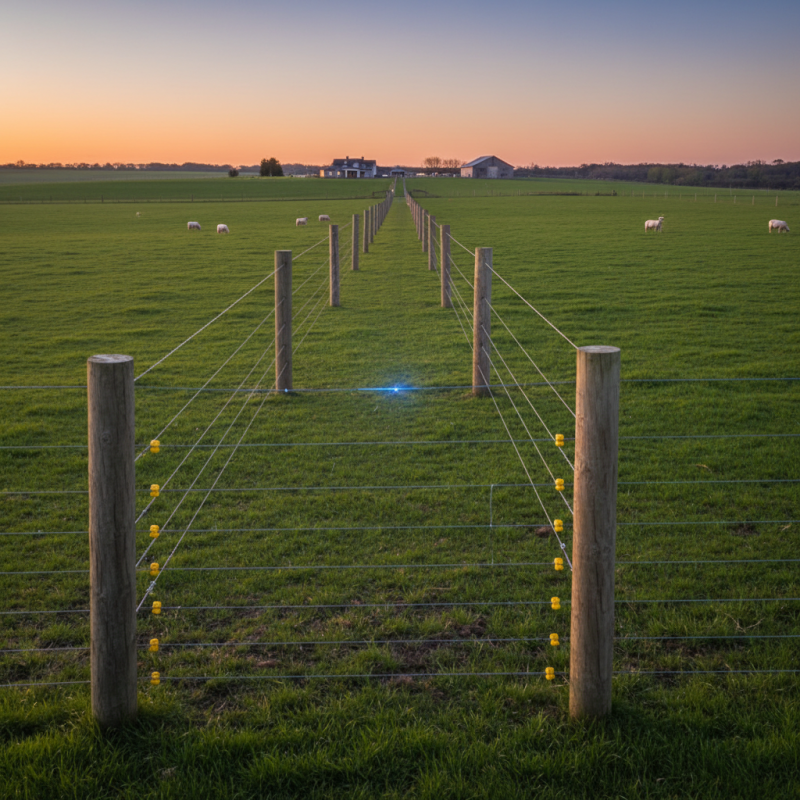
High Voltage Output Electric Fence Tips for Effective Protection?
When considering effective protection for your property, a high voltage output electric fence can be a powerful solution. This type of fence uses high voltage to deter intruders and protect livestock. However, it is essential to understand its best practices for optimal performance.
A high voltage output electric fence requires careful installation and maintenance. It's not just about the voltage; positioning and grounding play crucial roles. Keep in mind that the fence should be visible and well-marked. This visibility acts as a deterrent too.
Moreover, while these fences are effective, oversight is necessary. There are risks associated with them. Improper use can lead to accidents. Regular inspections and adjustments are vital to ensure safety and functionality. Reflecting on your fence's effectiveness will enhance its protective capabilities.
Understanding the Basics of High Voltage Electric Fences
High voltage electric fences provide an effective way to secure properties. Understanding their operation is crucial for optimal use. These fences deliver a powerful shock to deter intruders. They create a psychological barrier, making potential trespassers reconsider their actions. Research indicates that high voltage systems can be more effective than traditional barriers.
Voltage levels typically range from 2,000 to 10,000 volts. However, effectiveness depends on grounding and maintenance. A report from the Agricultural and Biological Engineering department notes that proper installation can enhance their efficiency. Properly installed systems can deter animals and humans alike. Yet, significant dangers exist if not maintained; faults can lead to electric shocks, risking human safety.
Regular checks are recommended to ensure the system is functioning. Any vegetation growing near the fence can create a short circuit risk. Additionally, fostering concern over reliability is important. An unreliable fence may embolden intruders. Understanding how these systems work can prevent misuse and protect your property effectively.
High Voltage Output Electric Fence Tips for Effective Protection
| Tip | Description | Voltage Range (kV) | Effective Distance (m) | Installation Height (m) |
| Choose the Right Voltage | Higher voltage offers better deterrence for large animals. | 5 - 10 kV | 10 - 20 m | 1.2 - 1.5 m |
| Regular Maintenance | Inspect the system regularly to ensure it operates effectively. | N/A | N/A | N/A |
| Use Insulators | Insulators prevent energy loss and ensure the current travels along the wire. | N/A | N/A | N/A |
| Proper Grounding | Ground rods should be installed to ensure the system is safe and effective. | N/A | N/A | N/A |
| Secure Connections | Tight connections minimize power loss and increase effectiveness. | N/A | N/A | N/A |
Key Components of an Effective High Voltage Electric Fence System
Creating an effective high voltage electric fence system requires attention to key components. One essential part is the energizer. It's responsible for sending out electric pulses. Good energizers deliver consistent power. Studies show that a reliable energizer ensures better performance in deterring intruders.
Next is the fence wire. Choosing the right gauge is critical. Thicker wires endure more tension and resist corrosion better. A 12-gauge wire is often recommended for long-term durability. Additionally, regular maintenance is vital. Inspections can prevent wear and tear. Broken wires or faulty insulators can reduce effectiveness.
Lastly, grounding cannot be overlooked. A properly grounded system maximizes voltage. Reports indicate that an improper ground can reduce the shock delivered by up to 60%. Frequent checks of the grounding rods help maintain efficiency. Remember, every component matters in creating a strong defense. Each element needs attention and reflection to ensure optimal performance.
High Voltage Output Electric Fence System Effectiveness
Installation Guidelines for Optimal Electric Fence Performance
When installing an electric fence, it's crucial to ensure proper spacing between posts. This typically ranges from 8 to 12 feet. If posts are too far apart, the fence may sag. This can compromise its effectiveness. Make sure the tension is just right. Too tight can cause damage; too loose leads to failures.
Select the right height for your fence. Generally, 4 to 6 feet is suitable. However, consider the animals or intruders you are trying to deter. A taller fence may be needed for larger cattle. Also, use insulators to prevent the electric current from grounding. Without them, the fence won’t perform optimally.
Check the power source regularly. A weak battery can lead to an ineffective fence. Keep the area around the fence clear of vegetation. This helps prevent unwanted grounding from plants. Monitor the system for faults, as these can be hard to find. Each detail matters. Ignoring them can lead to increased vulnerability.
Maintenance Tips to Ensure Longevity of Electric Fences
Maintaining an electric fence is crucial for its longevity and effectiveness. Regular checks can prevent issues that lead to costly repairs. According to industry reports, nearly 30% of electric fence failures stem from poor maintenance. Ensure that the fence wires are free from rust and corrosion. Insulation problems can arise if vegetation touches the wires. Trim back overgrown plants and check for any animal interference.
Testing your fence voltage monthly is essential. A low voltage can reduce its effectiveness, leading to security breaches. Studies show that a voltage of at least 3,000 volts is needed for proper deterrence. Use a multimeter to check the voltage levels. It is worth noting that improper grounding can also impede performance. Ensure grounding rods are at least 8 feet deep for optimal effectiveness.
Weather conditions can take a toll. Heavy rains can shift soil and affect grounding points. In regions with extreme weather, regular inspection is vital. Remember that some components, like insulators and energizers, wear out faster. Annually replacing these parts could save trouble down the line. A detail-oriented approach to maintenance will not only enhance performance but also extend the lifespan of your electric fence.
Safety Precautions When Using High Voltage Electric Fences
When using high voltage electric fences, safety precautions are crucial. These fences can deter intruders and keep animals secure. However, improper use can lead to serious injuries. Always ensure that the fence is properly installed and grounded. This minimizes risks of electrical malfunctions. Regular maintenance checks are necessary. Look for frayed wires or other damage. Repair these issues immediately.
Training is essential for all users. Everyone who interacts with the fence should understand its function. They must know how to operate it safely. Clear signage is another good practice. It alerts individuals to the risks involved. Children and pets should always be kept away. Accidents can happen in the blink of an eye.
Monitoring the fence regularly promotes safety. Always test the voltage periodically. A seemingly harmless fence can become dangerous if neglected. Remember to wear protective gear when maintaining the system. Take the time to educate others about safety practices. Ultimately, awareness is a key element in preventing accidents. Be proactive in creating a safe environment.