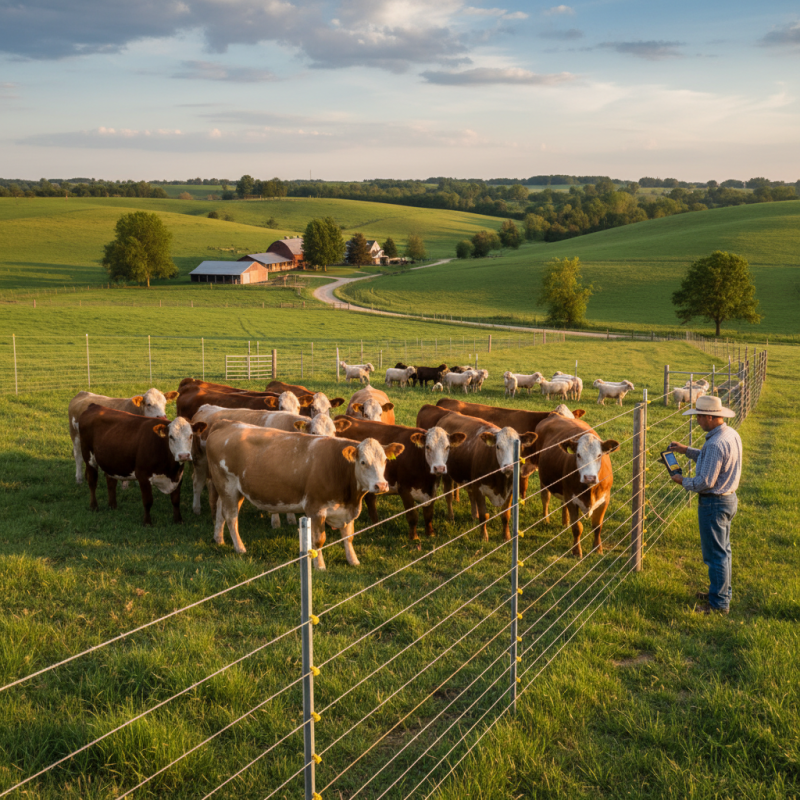
Why Choose High Voltage Output Electric Fences for Livestock?
In recent years, ranchers have increasingly turned to high voltage output electric fences. These fences provide a reliable way to protect livestock. Their effectiveness stems from their ability to deliver a strong shock, deterring predators and preventing escape.
high voltage output electric fences can save farmers time and money. They require less maintenance compared to traditional fencing. However, it's crucial to ensure proper installation and awareness of safety guidelines. A poorly installed fence may not function as intended, leaving livestock vulnerable.
It's also important to recognize potential drawbacks. While effective, high voltage output electric fences can pose risks to humans and pets. Understanding these concerns is vital for responsible use. As more farmers consider this option, thoughtful evaluation is key to ensuring safety and effectiveness.
Benefits of High Voltage Output Electric Fences for Livestock Protection
High voltage output electric fences offer significant benefits for livestock protection. These fences deliver a strong, effective shock that deters animals from attempting to breach the barrier. Farmers often find that their herds respect the fence. This reduces the chances of livestock straying into dangerous areas. The shock isn’t harmful but is enough to teach animals to maintain a safe distance.
Another advantage is the minimal maintenance required. High voltage output systems have fewer components than traditional fencing. This means less wear and tear over time. Farmers appreciate that these electric fences are less likely to sustain damage from weather or wildlife. However, improper installation can lead to inefficiencies. It's essential to ensure that the electric current is evenly distributed. In some cases, farmers may overlook regular checks on the system's functionality. This can lead to unexpected gaps in protection.
Additionally, these fences are cost-effective in the long run. They can cover large areas with fewer posts. This keeps initial setup costs lower. The energy consumed is often sustainable, especially if renewable sources are used. Some may worry about their livestock getting shocked. Yet, many find the benefits outweigh the concerns. The key is understanding the balance and ensuring animals are trained to respect the boundaries set by these fences.
How High Voltage Electric Fences Deter Predators Effectively
High voltage electric fences are known for their effectiveness in protecting livestock. Current studies show that fences with outputs of 5,000 to 10,000 volts provide a formidable barrier against predators. These high voltage systems not only deter but also train animals to stay away. Livestock learns to associate the electric shock with danger, leading to long-lasting changes in behavior.
For example, a report from the Agricultural Research Service indicates that farms using high voltage fences saw a 75% decrease in predator attacks. This significant reduction helps ensure better welfare for animals and protects farmers’ livelihoods. The psychological impact of such a fence can’t be overstated; it creates an invisible shield that keeps threats at bay.
Tips: Regularly check the fence for vegetation and debris. This can interfere with its efficiency. Ensure all connections are tight and functioning properly. Also, consider using warning signs to inform others of the electric fence. Educating your community can prevent accidental injuries. Keep an eye on your livestock's reactions. If they seem unusually distressed, it may indicate that adjustments are necessary. A little reflection on their behavior can lead to better protection measures.
Impact of Electric Fence Voltage on Livestock Safety and Behavior
Electric fences are a common solution for livestock management. High voltage output offers distinct benefits for animal safety and behavior. The voltage delivered by these fences can influence how livestock interact with their environment. Livestock are naturally curious, and the right voltage can deter them from wandering off or grazing in unsuitable areas.
In practice, high voltage may cause discomfort rather than pain. This discomfort encourages animals to respect the boundary without inducing panic. A well-designed fence can create a psychological barrier. Animals learn quickly, and they come to associate the fence with a safe zone. However, some animals may not respond as expected. Variations in individual animal behavior can complicate this.
Monitoring is crucial. Observations can reveal how livestock adapt to the fence. Regular checks allow for adjustments that enhance effectiveness. Sometimes, too much voltage might lead to stress in sensitive animals. Striking a balance is essential. A safe, effective fence should guide but not harm. Finding that balance requires ongoing reflection and adjustment.
Cost-Effectiveness of Installing High Voltage Electric Fencing Systems
High voltage electric fencing systems offer a cost-effective solution for livestock management. According to a report by the American Farm Bureau Federation, properly installed high voltage systems can reduce labor costs significantly. Farmers can save approximately 30% in labor compared to traditional fencing methods. This is crucial for operations where time and resources are limited.
Moreover, these high voltage systems show durability. Reports indicate they can last over a decade with minimal maintenance. While the initial installation might seem high, the long-term savings on repairs and replacements make it worthwhile. The ongoing costs remain low, allowing farmers to allocate resources elsewhere.
However, some challenges exist. Not everyone has experience with high voltage systems. Misunderstanding these systems can lead to improperly installed fences, causing safety concerns. This calls for careful planning and possibly professional guidance during installation. While the benefits are clear, ensuring safe and effective use requires thought and reflection. Investing in training can be a wise step for those new to this technology.
Maintenance Tips for High Voltage Electric Fences in Livestock Farms
High voltage output electric fences offer effective solutions for livestock management. Yet, maintaining these fences is crucial for ensuring their efficiency. Regular checks can significantly minimize problems.
Inspecting your fence regularly can prevent failures. Look for broken wires or posts damaged by weather. Reports suggest that over 30% of electric fence failures occur due to inadequate maintenance. Ensure that the energizer is functioning correctly. Check the voltage regularly to ensure it’s within the safe range. A fence should maintain at least 3,000 volts to be effective.
Tip: Clear vegetation around the fence lines. Grass and weeds can drain energy from the system. Keeping the area clean ensures that your fence operates efficiently.
Conducting a professional installation may seem excessive, but it sets a solid foundation. A poorly installed fence can lead to more challenges later. Ensure grounding systems are correctly implemented. Proper grounding maximizes efficiency and minimizes risks. The wrong setup may compromise livestock safety. Take the time to correct any mistakes early on.