Why Is Solar Power Storage Important for Homeowners?
Solar power storage has become a crucial topic for homeowners. It allows them to harness energy from the sun and use it when needed. According to Dr. Emily Reed, a leading expert in renewable energy, “Solar Power Storage enables homeowners to take control of their energy use.” This technology helps reduce reliance on the grid.
Many homeowners face challenges related to energy costs. Solar power storage offers a potential solution, allowing users to save money long-term. However, not everyone understands how to implement it effectively. There are various systems available, and the right choice depends on individual needs.
Moreover, solar power storage can increase energy independence. But homeowners must be mindful of installation and maintenance costs. It's essential to weigh the benefits against potential drawbacks. Finding the balance can lead to real savings and sustainability in energy use. The journey to understanding solar power storage is still evolving, and homeowners must stay informed.
Importance of Solar Power Storage for Homeowners
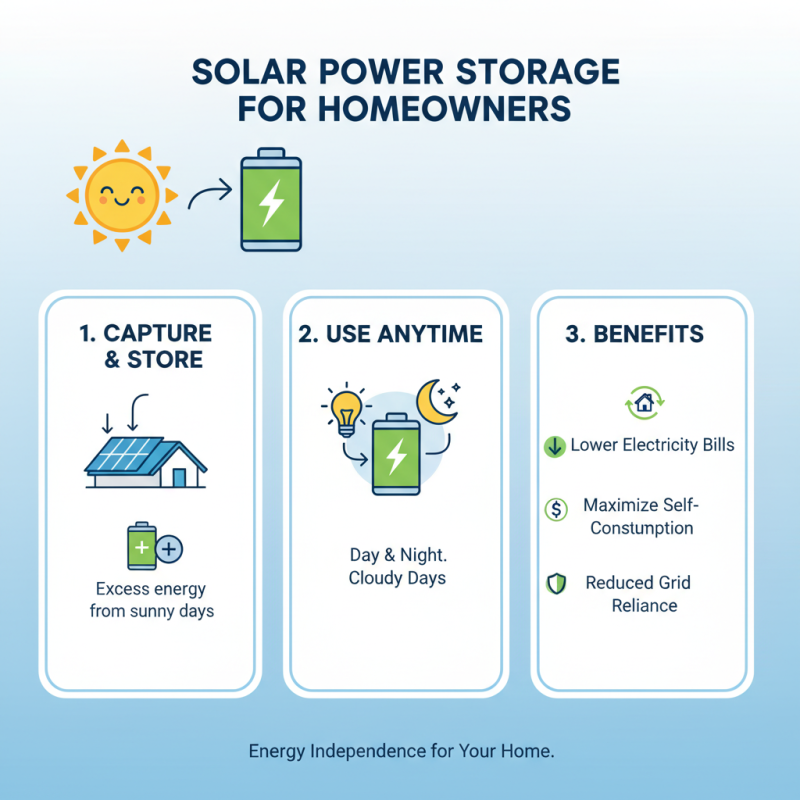
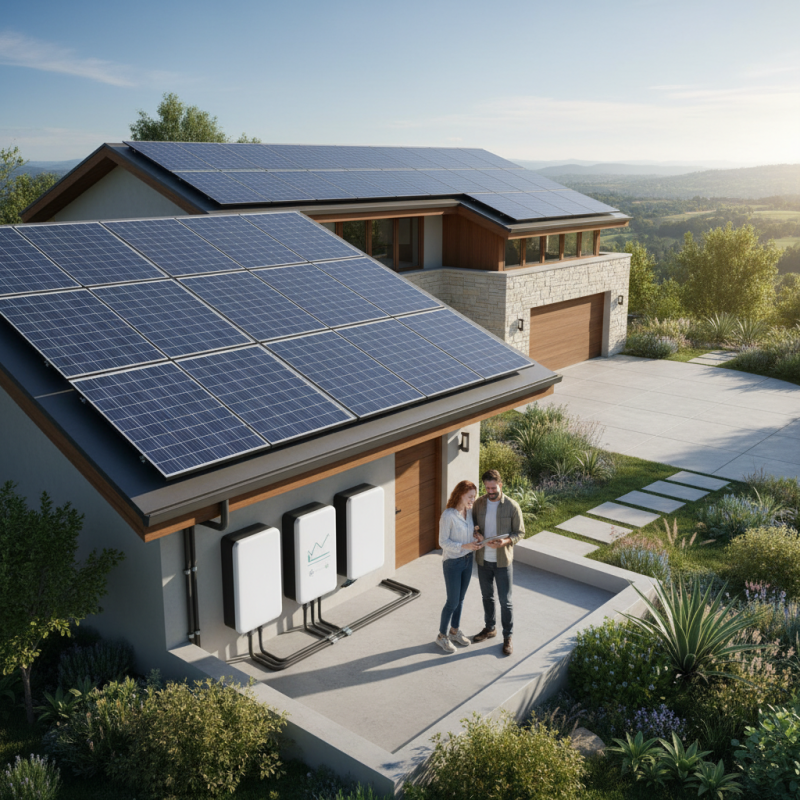
Solar power storage plays a critical role for homeowners. It allows them to store excess energy generated during sunny days. This energy can then be used at night or on cloudy days. By doing this, homeowners can maximize their energy use. They rely less on the grid, leading to lower electricity bills.
Having a storage system can be a bit complicated. Homeowners need to consider capacity, type, and installation costs. Not all homes can fit large batteries. Some families may need to sacrifice space in their garages or basements. It raises questions about efficiency and practicality.
Moreover, energy needs vary household to household. Families with more appliances may require larger systems. Not everyone has the same financial ability to invest upfront. This can create a sense of inequity among homeowners. While the benefits are clear, the challenges shouldn't be overlooked.
Understanding Solar Power Storage: Basic Concepts
Solar power storage is becoming essential for homeowners. It allows homeowners to optimize their energy use. With solar panels, energy is generated during the day. However, energy demand often peaks in the evening. This mismatch creates a need for effective storage solutions.
According to a report from the International Energy Agency, global solar storage capacity has been growing by over 25% annually. By 2025, it is expected to reach 320 GWh. This growth reflects the increasing need for reliable energy sources. Homeowners can store excess energy generated during sunny days. They can use this stored energy when production drops. Battery systems can cut electricity bills significantly. Some estimates suggest savings of 30% on energy costs.
Yet, not all storage systems are perfect. Homeowners may face high initial costs. Battery lifespans can vary, leading to potential replacement needs. Environmental impacts from battery production also raise questions. It is crucial to assess these factors. Homeowners must balance these benefits and downsides carefully.
Why Is Solar Power Storage Important for Homeowners? - Understanding Solar Power Storage: Basic Concepts
| Dimension |
Value |
| Average Solar Panel Lifespan |
25 years |
| Typical Battery Life Cycle |
3000 cycles |
| Average Cost of Solar Storage System |
$6,000 - $10,000 |
| Energy Savings per Year |
$500 - $700 |
| Reduction in Carbon Footprint per Year |
3,000 lbs |
| Increase in Home Value |
$15,000 |
| Government Incentives Available |
Up to 26% |
Benefits of Solar Power Storage Systems
Solar power storage systems offer significant advantages for homeowners. They allow for energy produced during sunlight hours to be stored for later use. According to a recent report by the U.S. Department of Energy, homes with storage systems can save up to 40% on their energy bills. This is substantial, especially when electricity prices are on the rise.
These systems also enhance energy independence. Homeowners can rely less on the grid, especially during peak demand times. A study by the Solar Energy Industries Association indicated that nearly 60% of homeowners value this independence. However, this reliance on storage systems requires thoughtful planning. Not all homes need the same size or type of storage. It’s crucial to evaluate energy usage first.
While the initial investment may seem high, the long-term savings can offset this cost. Over 30% of solar panel users report a payback period of fewer than five years. This is an encouraging statistic. Nevertheless, potential buyers should reflect on their specific needs. Not everyone will benefit equally from solar storage. It’s important to assess circumstances carefully.
Benefits of Solar Power Storage Systems for Homeowners
How Solar Power Storage Enhances Energy Independence
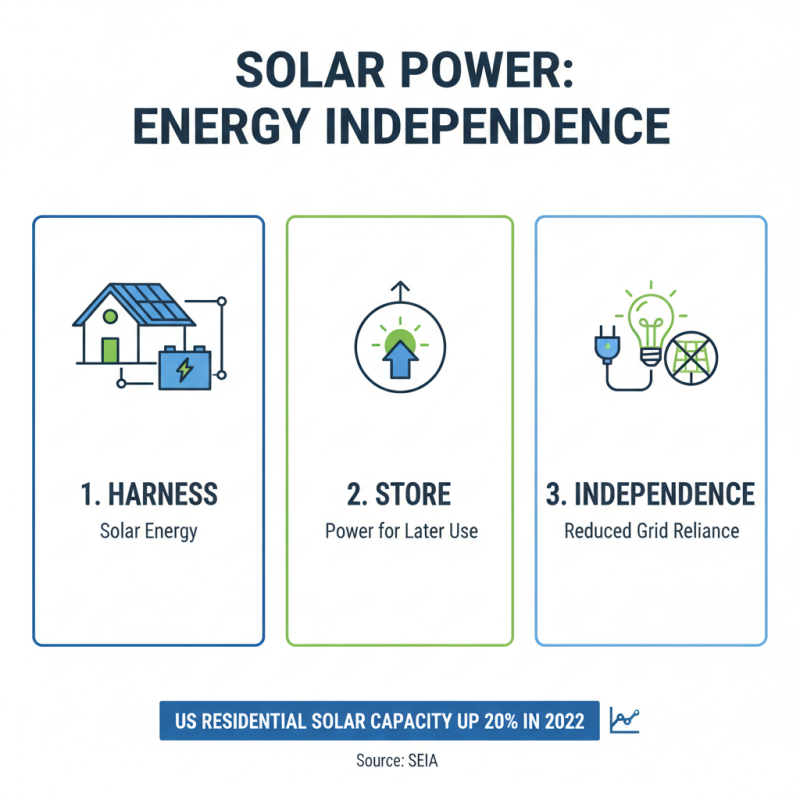
Energy independence is a crucial goal for many homeowners today. With solar power storage, homeowners can achieve this aim effectively. According to the Solar Energy Industries Association, U.S. residential solar capacity grew by 20% in 2022. This shift empowers homeowners to harness solar energy for their needs, reducing reliance on the grid.
Storing solar energy means you can utilize it even when the sun isn’t shining. It allows for better management of energy use throughout the day. A study by the National Renewable Energy Laboratory indicates that homes with solar battery storage can offset nearly 70% of their energy needs. This capability increases resilience against energy price fluctuations and grid outages.
However, the initial cost of solar storage solutions can be high. Homeowners may face challenges in choosing the right system. Not all batteries are created equal; some may offer less efficiency than expected. Despite these concerns, the long-term savings and energy independence often make it worthwhile for many. The potential for lower utility bills is a strong motivation for many to invest.
Factors to Consider When Choosing Solar Power Storage Solutions
When choosing solar power storage solutions, several factors come into play. Homeowners need to evaluate their energy needs carefully. According to the National Renewable Energy Laboratory, energy storage can save homeowners up to 30% on their electricity bills. However, selecting the right system takes effort.
Battery capacity is crucial. Homeowners should assess their average daily energy usage. A typical home needs around 30 kWh per day. A system that can store this amount ensures reliability during outages. Efficiency ratings of storage systems vary. Some batteries convert only 80% of stored energy to usable power. This means you might need a larger capacity system than you initially thought.
Tip: Consider peak usage times when analyzing your storage needs. Moreover, the lifespan of batteries matters. Most systems last between 5 to 15 years. Replacing an aging battery can be costly. Understanding the warranty and performance guarantees is essential for long-term planning.
Ultimately, homeowners must balance their budget with their energy requirements. The cheapest system may not provide sufficient storage. Evaluate the long-term costs versus performance. You must reflect on these factors deeply before proceeding. It’s more than just installation; it’s a commitment to sustainability.