What is a Lithium Battery Car and How Does It Work?
In recent years, the conversation around the "Lithium Battery Car" has gained immense traction. Experts believe this technology holds the key to a sustainable future in transportation. Dr. Emily Chen, a leading engineer in battery technology, once stated, "The world is shifting towards electric mobility, and lithium batteries are at the forefront.” Her insight reflects the growing reliance on these cars.
Lithium battery cars operate differently than traditional vehicles. They use lithium-ion batteries which store and release energy efficiently. This technology powers electric motors to drive the wheels, offering instant torque and quiet operation. However, not all aspects are perfect. Questions remain about battery life and recycling processes.
Many consumers are excited about the benefits, yet they also express concerns. Range anxiety and charging infrastructure can be daunting. As manufacturers innovate, the journey toward widespread adoption continues to feature both promise and challenges. The "Lithium Battery Car" represents not just an advancement, but a critical reflection on our energy consumption habits.
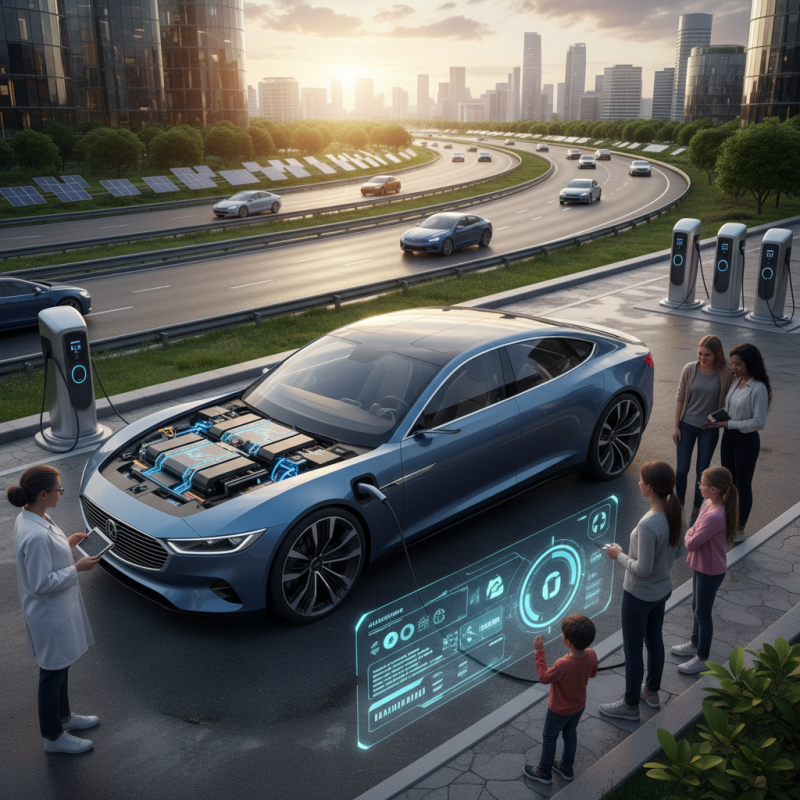
What is a Lithium Battery Car?
A lithium battery car is an electric vehicle powered by lithium-ion batteries. These batteries are popular due to their high energy density. This means they store a lot of energy in a compact space. Many people prefer them for their lightweight and efficiency. This technology fuels a growing market for electric vehicles.
Driving a lithium battery car feels different than traditional vehicles. Many enjoy the quiet ride and instant torque. However, charging can take time. Not all locations offer charging stations. It’s important to plan trips accordingly. Before heading out, check your battery level and locate nearby charging points.
Tips: Always carry a portable charger. This can be helpful during long trips. Understand your car's range to avoid running low on energy. Knowing your driving habits can improve battery life. It's essential to monitor how often you charge. Overcharging can harm battery lifespan. Use the best practices for battery maintenance to ensure optimal performance.
What is a Lithium Battery Car and How Does It Work?
| Feature | Description |
| Battery Type | Lithium-ion (Li-ion) |
| Energy Density | 150-200 Wh/kg |
| Range | 250-370 miles on a full charge |
| Charging Time | 30 minutes to 8 hours (depending on charger type) |
| Lifespan | 8-15 years (depending on usage and conditions) |
| Environmental Impact | Less CO2 emissions compared to gasoline vehicles |
| Recycling | Can be recycled to recover lithium and other materials |
| Cost | Ranging from $30,000 to $100,000+ depending on the model |
The Composition and Function of Lithium-Ion Batteries
Lithium-ion batteries power most electric vehicles today. These batteries consist of layered compounds. The main components include lithium metal oxides, graphite, and electrolyte solutions. This combination allows for efficient energy storage and transfer.
Batteries typically have a high energy density, around 150-250 Wh/kg. They charge quickly and last longer than older battery technologies. However, they also pose challenges. Recycling lithium-ion batteries remains complex. A significant amount ends up in landfills. This raises environmental concerns.
Moreover, lithium extraction impacts water resources. Reports show that mining activities can lead to water shortages in some regions. The industry must reassess mining practices. Finding sustainable solutions is crucial. These challenges highlight the need for innovation. Alternatives are being explored, but progress is slow.
How Lithium Batteries Power Electric Vehicles
Lithium batteries are at the heart of electric vehicles (EVs). They offer high energy density, which means they can store a lot of energy in a compact size. This is crucial for cars, where space is limited. The battery consists of three main components: an anode, a cathode, and an electrolyte. When the car runs, electrons flow from the anode to the cathode through the circuit, powering the motor.
The process is not without challenges. Lithium batteries can degrade over time, affecting their performance. Heat generation is another concern. If not managed properly, it can lead to reduced efficiency or even safety risks. Manufacturers continually seek ways to improve battery life and safety, but it's a work in progress.
Charging these batteries typically takes longer than refueling a gasoline car. Public charging stations are becoming more common, but accessibility remains a hurdle in some regions. Range anxiety, or the worry of running out of charge, still affects many potential EV owners. As technology advances, these issues may diminish, but reflection on current limitations is necessary for future improvements.
Key Advantages of Using Lithium Batteries in Cars
Lithium batteries are a game changer for electric vehicles. They offer several key advantages that make them popular among automakers. One significant benefit is their high energy density. This means they can store more energy in a smaller space. As a result, these batteries provide longer driving ranges, allowing drivers to travel farther on a single charge.
Fast charging is another notable feature. Many lithium batteries allow for quick recharges, which is essential for daily use. Drivers appreciate the convenience of recharging their cars in under an hour. However, it's important to note that charging speeds can vary widely based on the battery management system. This inconsistency can be frustrating for users.
The recycling potential of lithium batteries is also worth discussing. While recycling methods are improving, not all regions have the infrastructure to support them. This reluctance can hinder the widespread adoption of electric vehicles. Additionally, lithium mining raises environmental concerns. Sustainable practices are still evolving, and there’s room for improvement. As the technology matures, addressing these issues will be crucial for future growth.
Environmental Impact and Sustainability of Lithium Battery Cars
Lithium battery cars are often hailed for their potential to reduce carbon emissions. However, the environmental impact of lithium extraction raises concerns. According to a 2021 report, lithium mining can consume up to 2 million liters of water per ton of lithium extracted. This process can deplete local water resources, particularly in regions like South America. Communities relying on these water supplies face significant challenges.
Additionally, the lifecycle of lithium batteries poses sustainability issues. While electric vehicles produce zero tailpipe emissions, the recycling rates for lithium batteries remain low. A published study indicated that only about 5% of lithium-ion batteries are recycled each year. This creates a significant waste problem, as many batteries end up in landfills, leaching toxic substances into the environment. Improved recycling technologies are essential for promoting a circular economy around lithium batteries.
Furthermore, the mining process often results in habitat destruction. Biodiversity loss has been documented in areas where lithium is extracted. This poses an ethical dilemma. While the transition to electric vehicles is crucial for combating climate change, it must not come at the expense of local ecosystems. Balancing technological advancement with environmental stewardship is vital moving forward.