Effective Tips for Maximizing Solar Cell Efficiency?
The global push for renewable energy has significantly increased interest in solar technology. Solar cells, integral to solar panels, convert sunlight into electricity. According to the International Energy Agency, solar power could generate as much as 22% of the world's electricity by 2040. This demonstrates the potential impact of solar cells on energy production.
Despite advancements, many solar cells operate below their potential efficiency. The average efficiency of commercial solar cells is around 15-20%, leaving room for improvement. Research from the National Renewable Energy Laboratory shows that some new technologies can reach over 25% efficiency. Maximizing solar cell efficiency involves several techniques, such as optimizing light absorption and reducing energy loss.
Yet, challenges persist. Not all solar cells can achieve high efficiency in every environment. Factors like temperature and shading can affect performance. As we explore effective tips for maximizing solar cell efficiency, it is crucial to reflect on these limitations. Understanding these variables can lead to more effective implementations and policies in solar energy strategies.
Understanding Solar Cell Efficiency and Its Importance in Renewable Energy
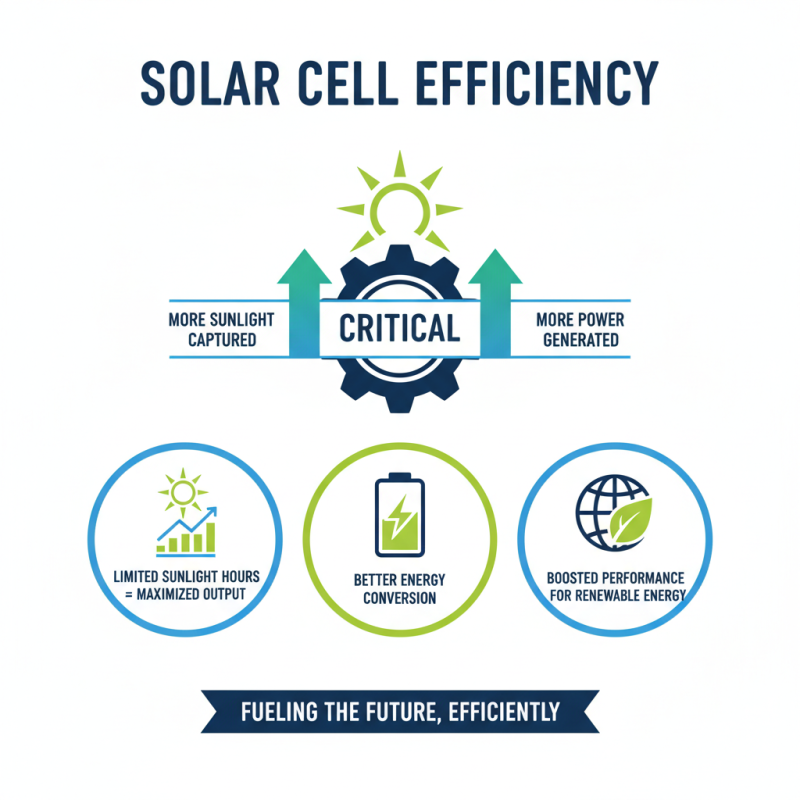
Solar cell efficiency is vital in the renewable energy sector. High efficiency means better energy conversion, leading to more power generation. This is critical for maximizing energy output with limited sunlight. In many locations, sunlight hours are not consistent. Therefore, boosting solar cell performance is necessary.
Factors like temperature, angle, and shading impact efficiency. Solar cells can overheat, reducing their output. Regular maintenance and cleaning can help combat dirt accumulation. Installing panels at the right angle ensures they capture the most sunlight possible. Small adjustments can yield noticeable results.
Understanding the importance of efficiency can drive innovation. Many people still overlook the potential of solar energy. Awareness is crucial for wider adoption. The quest for improving efficiency involves ongoing research and experimentation. Experimenting can lead to unexpected insights. Even small changes can make a difference in overall performance.
Factors Influencing Solar Cell Efficiency: Temperature, Materials, and Design
Temperature plays a vital role in solar cell efficiency. As temperatures rise, the performance of solar cells tends to drop. Studies show that efficiency can decrease by about 0.5% for every degree Celsius increase. This means that in hotter climates, solar panels may underperform compared to cooler regions. Understanding local temperature patterns can help in designing better systems.
Materials used in solar cells also significantly affect their efficiency. Traditional silicon cells dominate the market, but new materials like perovskites show promise. Perovskite solar cells can achieve efficiencies above 25%, compared to around 20% for standard silicon cells. However, stability and longevity remain concerns. Research indicates that perovskite cells may degrade faster under environmental stress.
Design aspects, such as the angle and placement of solar panels, also influence efficiency. Proper alignment can capture up to 20% more sunlight. Yet, many installations overlook this. Even small miscalculations in orientation can lead to substantial energy losses. Addressing these design flaws is essential for maximizing the potential of solar energy.
Advanced Materials and Technologies for Enhanced Solar Cell Performance
Advancements in materials for solar cells are crucial. Researchers explore new compounds that enhance efficiency. Perovskite solar cells have gained attention. They promise high efficiency at a lower cost. Their unique crystal structure allows for better light absorption. This can drastically improve energy conversion rates.
Nanotechnology is another exciting area. It enables the creation of ultra-thin films that harness sunlight effectively. Such materials can be integrated into various surfaces. Imagine solar cells on rooftops or even windows. However, challenges remain. These materials can degrade faster than traditional ones, limiting their lifespan.
New technologies also focus on how to capture more sunlight. Innovations like bifacial solar panels capture reflections from the ground. However, installation requires precise positioning. The ability to track the sun's movement is beneficial. Yet, it adds complexity and cost to the system. Balancing efficiency with practicality is a constant struggle. Addressing these concerns will define the future of solar technology.
Effective Tips for Maximizing Solar Cell Efficiency
This chart presents the average efficiency percentages for various types of solar cells. Monocrystalline cells are typically the most efficient, while thin film cells exhibit lower efficiency. Understanding these efficiencies can aid in selecting the right solar technology for optimal performance.
Strategies for Optimizing Solar Panel Installation Angle and Location
Choosing the right angle for solar panels is crucial. The tilt should match your geographical location. In general, a steeper angle captures sunlight better in winter. However, a lower angle works well in summer.
Location also matters. Avoid shading from trees and buildings. Places with direct sunlight yield higher efficiency. Observing changes in sun position throughout the day is important. Not all locations maintain consistent sunlight exposure. This is often overlooked.
Monitoring and adjusting the angle can lead to better performance. Many people install panels without considering seasonal changes. This can result in suboptimal energy production. Reflecting on your setup regularly can help maximize output. Always be open to tweaking your approach.
Regular Maintenance and Monitoring to Sustain Solar Cell Output Efficiency
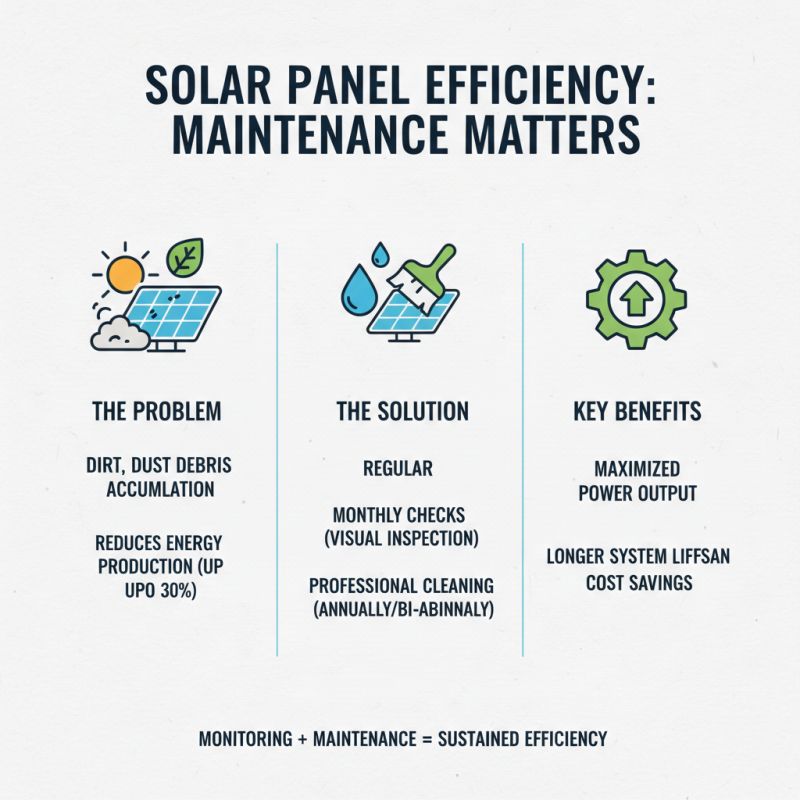
Regular maintenance and monitoring are key elements in sustaining solar cell output efficiency. A solar panel system can accumulate dirt, dust, and debris over time. If not cleaned regularly, this buildup can significantly reduce energy production. It’s essential to check the panels at least once a month, especially in areas with heavy pollution or seasonal changes.
Monitoring performance through apps or systems can alert you to any drops in efficiency. If the output suddenly decreases, it might indicate a malfunction or damage. Sensors can help track energy production rates, revealing potential issues early. Investing in this kind of technology is wise for long-term savings and reliability.
Neglecting these tasks could lead to decreased effectiveness. Regularly inspecting wiring and connections can prevent significant failures down the line. It’s easy to overlook these details, but they are crucial for peak performance. Simple actions, like clearing off snow in winter or checking for shading from nearby trees, can make a substantial difference.