Top Benefits of Smart Solar Energy for Homeowners in 2023
As homeowners increasingly seek sustainable solutions, the evolution of Smart Solar Energy technology offers compelling advantages for residential energy consumption. According to the Solar Energy Industries Association (SEIA), the solar energy market is projected to expand significantly, with an expected installation of over 30 gigawatts of solar capacity in 2023 alone. This growth highlights not only the heightened interest in renewable energy sources but also the critical shift towards smart and efficient energy management within homes.
Dr. Amelia Johnson, a leading expert in renewable energy systems, states, "The integration of Smart Solar Energy technology allows homeowners to maximize their energy independence while minimizing costs." By utilizing intelligent solar systems that integrate with home energy management tools, homeowners can optimize their energy usage, reduce reliance on grid power, and significantly lower electricity bills. This shift not only supports personal finance but contributes positively to environmental sustainability, reducing carbon footprints and enhancing energy efficiency.
In 2023, as technologies continue to advance and government policies increasingly favor renewable energy, the benefits of Smart Solar Energy will be felt more broadly, empowering homeowners to make eco-friendly choices while enjoying the economic advantages that come with smarter energy solutions.
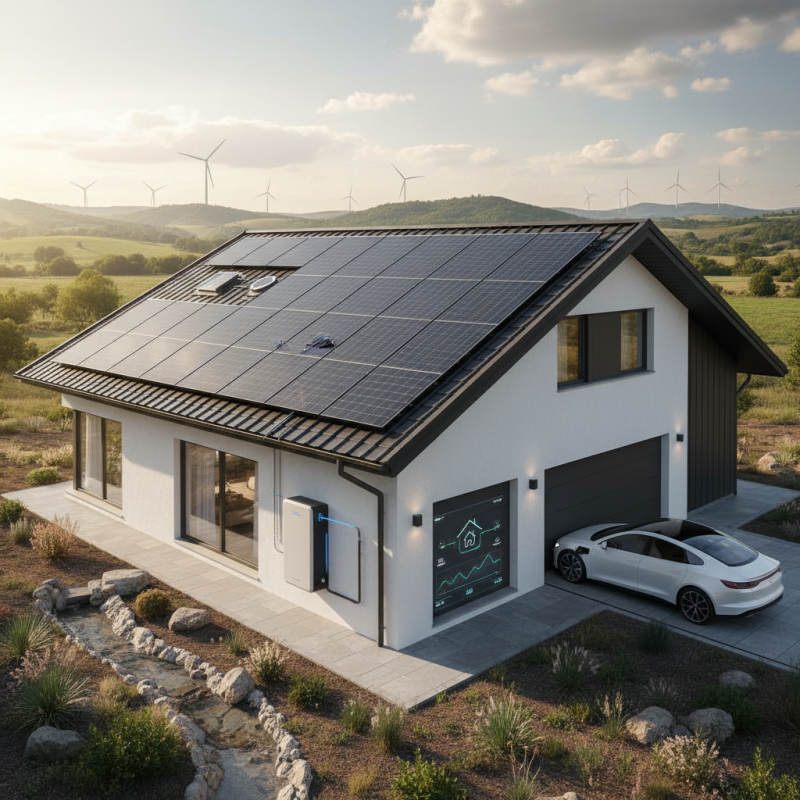
Top Benefits of Smart Solar Energy for Homeowners in 2023
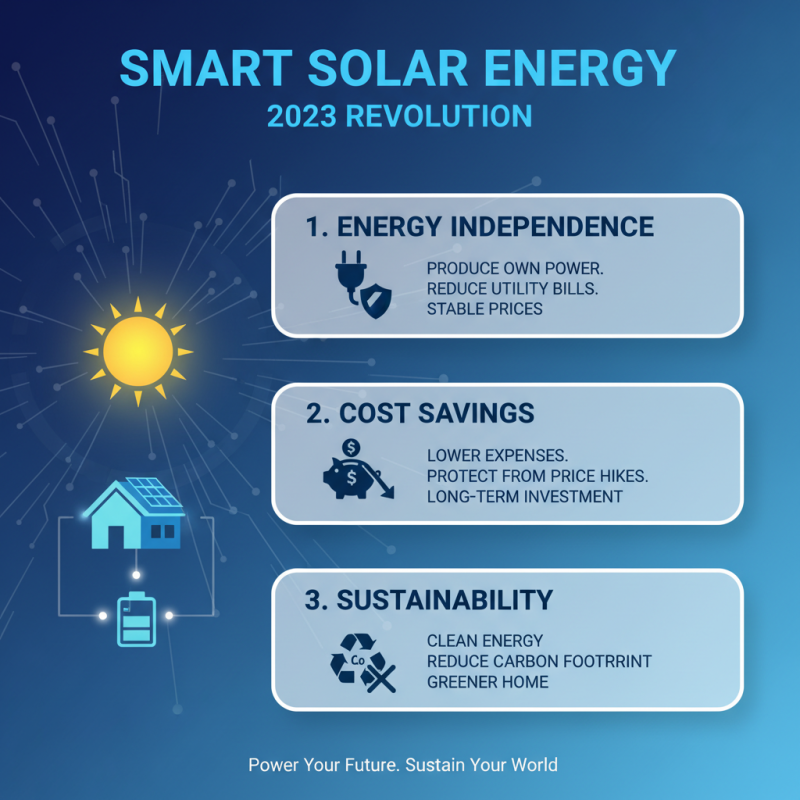
In 2023, smart solar energy systems are revolutionizing the way homeowners power their lives. One of the most significant advantages is energy independence. With the cost of electricity rising, homeowners who invest in solar energy gain the capability to produce their own power. This not only reduces utility bills but also shields them from fluctuating energy prices. Moreover, by harnessing solar energy, homeowners can contribute to a more sustainable environment, significantly lowering their carbon footprint and promoting clean energy usage.
Additionally, smart solar energy technologies come equipped with advanced monitoring and management systems. This means that homeowners can track their energy production and consumption in real-time through user-friendly applications. These systems provide insights that can help in optimizing energy usage, which further enhances efficiency and savings. With features such as battery storage and smart integration with home appliances, homeowners can maximize their energy savings by using stored solar energy during peak hours, leading to even greater economic benefits. This blend of efficiency, sustainability, and smart technology positions solar energy as a wise investment for the modern homeowner.
Significant Reduction in Energy Bills: Analyzing Cost Savings Data
In 2023, the adoption of smart solar energy technology has provided homeowners with substantial cost savings, particularly in their energy bills. According to a recent report from the U.S. Department of Energy, homeowners who installed solar panels have experienced an average reduction in electricity costs by about 50% annually. This significant drop in energy bills not only alleviates financial burdens but also highlights the long-term economic benefits of harnessing solar power.
Moreover, a study by the National Renewable Energy Laboratory indicates that solar energy systems can increase a home's value by approximately $15,000, while simultaneously reducing reliance on conventional energy sources. Homeowners adopting smart solar technologies not only save on monthly utility expenditures but also benefit from federal and state incentives that can offset installation costs. As electricity rates continue to rise, smart solar energy emerges as a viable solution, making it a smart financial investment for savvy homeowners looking to enhance their energy efficiency and save significantly in the long run.
Top Benefits of Smart Solar Energy for Homeowners in 2023 - Significant Reduction in Energy Bills: Analyzing Cost Savings Data
| Year |
Average Monthly Energy Bill ($) |
Estimated Savings with Solar ($) |
Percentage Savings (%) |
| 2020 |
$120 |
$30 |
25% |
| 2021 |
$130 |
$35 |
27% |
| 2022 |
$140 |
$40 |
29% |
| 2023 |
$150 |
$45 |
30% |
Environmental Impact: How Solar Energy Reduces Carbon Footprint
The adoption of solar energy is becoming increasingly essential for homeowners seeking to minimize their environmental impact. In 2023, solar energy systems are projected to reduce carbon emissions significantly, with studies showing that a typical residential solar panel system can offset approximately 3 to 4 tons of carbon dioxide annually. According to the U.S. Department of Energy, transitioning to solar can lead to a cumulative carbon reduction of about 300 million metric tons over the next decade if more households opt for solar solutions.
Switching to solar energy not only helps in combating climate change but also promotes sustainable living. Homeowners can play a pivotal role in reducing the overall carbon footprint associated with electricity production. The International Renewable Energy Agency reports that solar energy generates electricity with very low lifecycle emissions compared to fossil fuels. By harnessing the power of the sun, families contribute to cleaner air and a healthier planet for future generations.
Tips: If you’re considering solar energy for your home, conduct a thorough assessment of your energy needs and the potential solar capacity of your property. Additionally, look into local tax incentives and rebates, which can significantly reduce the upfront investment. Engaging with a certified solar installer can provide insights into system efficiency and long-term savings, ensuring your transition contributes maximally to carbon footprint reduction.
Increase in Property Value: Industry Insights on Solar Home Trends
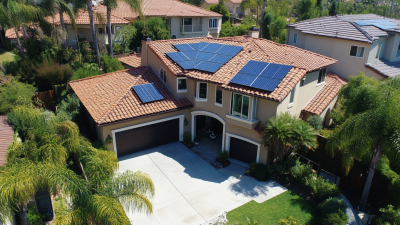
As we move deeper into 2023, the integration of smart solar energy systems has become increasingly integral to the real estate landscape. Homeowners are recognizing that investing in solar technology not only contributes to environmental sustainability but also enhances their property value significantly. Studies indicate that homes equipped with solar energy systems can command a higher selling price compared to traditional homes, as buyers are becoming more conscious of energy efficiency and potential long-term savings on utility bills.
Industry insights reveal that the demand for solar installations is on the rise, driven by advancements in technology and increasing public awareness of green living. Properties with solar energy solutions are often seen as more desirable, making them more competitive in the housing market. This trend is particularly noticeable in regions with ample sunlight, where solar energy can be maximized. Furthermore, tax incentives and rebates for solar energy installation have made it more appealing for homeowners to transition to this sustainable energy source, further propelling property values upwards. Ultimately, smart solar energy not only benefits the environment but also serves as a strategic investment for homeowners looking to enhance their property's value in an evolving market.
Smart Technology Integration: Benefits of Solar Energy Management Systems
Smart technology integration in solar energy management systems presents a transformative approach for homeowners aiming to maximize their energy efficiency and savings. These systems utilize advanced software and hardware to monitor energy production and consumption in real time, enabling homeowners to make informed decisions about their energy use. By tracking solar panel performance and energy requirements, smart systems can optimize power generation and reduce waste, leading to significant cost savings.
Tips for homeowners looking to integrate smart solar technology include starting with a comprehensive energy audit. This helps identify when and how energy is consumed, allowing you to tailor your solar setup accordingly.
Additionally, consider utilizing apps that connect to your solar system to monitor performance on your mobile device. These apps can alert you to any inefficiencies or maintenance needs, ensuring your system operates at peak performance.
Moreover, homeowners should look into smart devices that automate energy usage, such as programmable thermostats and energy-efficient appliances. Synchronizing these devices with your solar management system enhances overall efficiency and ensures that energy consumption aligns with peak solar generation times. By embracing smart technology, homeowners can not only reduce their carbon footprint but also increase their energy independence and financial savings.
Conclusion
In 2023, homeowners are increasingly turning to Smart Solar Energy solutions due to their numerous benefits. One of the most significant advantages is the substantial reduction in energy bills, as homeowners can analyze cost savings data and enjoy lower monthly expenses. Additionally, Smart Solar Energy plays a crucial role in minimizing the environmental impact by reducing carbon footprints and promoting sustainable living.
Furthermore, installing solar systems can lead to an increase in property value, with industry insights indicating a trend toward solar homes attracting more buyers. The integration of smart technology enhances energy management, providing homeowners with innovative ways to optimize their consumption. Lastly, various government incentives and rebates available in 2023 provide financial benefits, making the adoption of Smart Solar Energy an appealing option for many. Overall, these factors illustrate why Smart Solar Energy is an excellent investment for homeowners looking to benefit economically and environmentally.