What Is Solar Energy Storage and How Does It Work?
Solar Energy Storage is becoming a practical link between daytime generation and evening demand. Solar panels produce electricity when sunlight is available, but household consumption often peaks after sunset. Storage helps close that timing gap. It does not store sunlight directly. It stores electrical energy for later use.
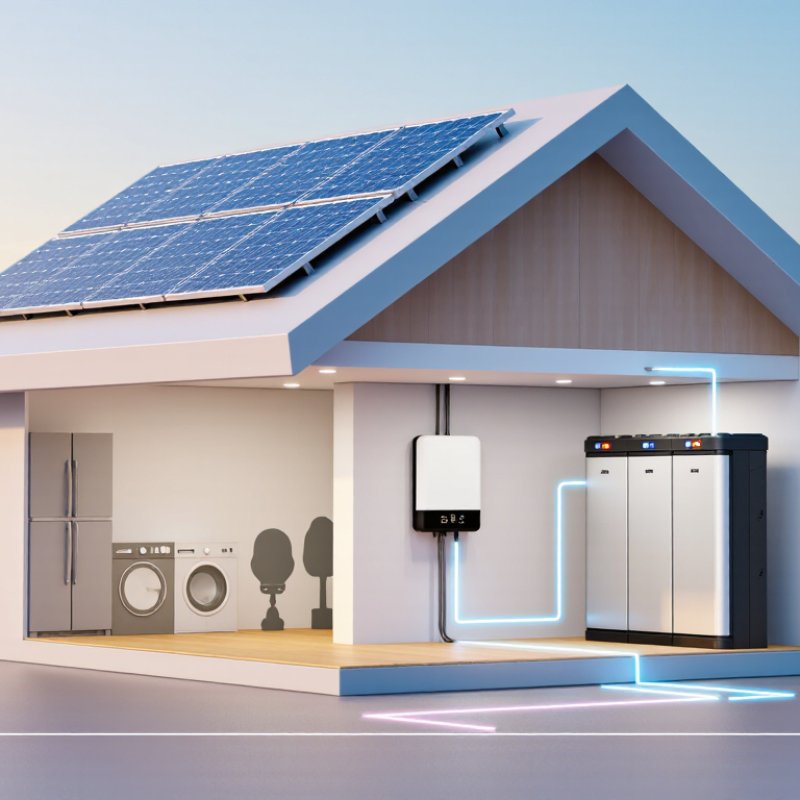
A typical battery system uses an inverter, battery cells, a battery management system, and safety controls. During sunny hours, excess direct current charges the battery. The inverter converts electricity for household appliances or the grid. Later, stored energy returns through the inverter as alternating current. The battery management system monitors temperature, voltage, and state of charge. Small details matter. Heat, repeated cycling, and poor installation can reduce performance.
Industry growth explains the attention. IRENA’s Renewable Capacity Statistics 2024 reported about 473 gigawatts of new renewable capacity worldwide in 2023, including roughly 346 gigawatts of solar power. More solar also creates greater demand for flexible resources. The International Energy Agency’s Batteries and Secure Energy Transitions report highlights rapidly expanding battery deployment and the need for safer, more sustainable supply chains. Lazard’s Levelized Cost of Storage analysis also shows that storage economics vary sharply by technology, duration, location, and financing.
The numbers are not perfectly comparable. Some reports measure installed power, while others measure energy capacity. That distinction can confuse buyers. A 10-kilowatt battery may not deliver 10 kilowatt-hours. This guide explains the technology, costs, efficiency limits, and real-world choices behind Solar Energy Storage. Reliable decisions require more than optimistic payback estimates. They require measured loads, local tariffs, warranty terms, and realistic evening usage.
Solar Energy Storage: Definition and Core Purpose
What Is Solar Energy Storage and How Does It Work?
Solar Energy Storage: Definition and Core Purpose
Solar energy storage captures electricity produced by solar panels and saves it for later use. Its core purpose is simple: match energy supply with household demand. Solar panels often produce the most power around noon. Many homes need more electricity after sunset, when cooking, lighting, and heating increase. A storage battery holds surplus electricity, then releases it when solar production falls. Simple in principle.
Most systems use a battery, an inverter, monitoring software, and safety controls. The inverter changes electricity between direct current and household alternating current. A controller decides when to charge, discharge, or draw power from the grid. During a cloudy afternoon, it may preserve stored energy for evening use. During an outage, compatible equipment can power selected circuits, such as a refrigerator or router. Capacity matters, but usable capacity matters more. Heat, age, and repeated cycling gradually reduce battery performance. The wiring matters. Qualified installers should follow local electrical rules and manufacturer specifications. Real-world performance can differ from advertised figures, especially in cold or very hot conditions.
Tips: Review your evening electricity use before choosing storage. Ask about usable capacity, backup limits, ventilation, maintenance, and warranty terms. Leave space around the equipment. Do not install it beside combustible materials. One overlooked detail can affect reliability.
Main Types of Solar Energy Storage Systems
What Is Solar Energy Storage and How Does It Work?
Solar energy storage captures surplus electricity and saves it for later use. During daylight, solar panels may produce more power than a building needs. A storage system directs this extra electricity into a battery or another energy reservoir. After sunset, stored energy can operate lights, refrigerators, pumps, and communication equipment.
Main Types of Solar Energy Storage Systems
Battery storage is the most common option for homes and small businesses. Lithium-based batteries respond quickly and fit into compact spaces. They use electronic controls to manage charging, discharging, temperature, and safety limits. Lead-acid batteries can cost less initially, but they usually require more space and regular maintenance. Flow batteries store energy in liquid electrolytes and may suit larger installations requiring long discharge periods.
Thermal storage keeps solar heat rather than electricity. A tank can hold hot water for evening showers or industrial processes. Pumped-hydro storage moves water uphill, then releases it through turbines when electricity is needed. It works well at a large scale, but geography limits its use. Hydrogen systems use electricity to produce hydrogen, which can later generate power. They offer long-duration storage, although energy losses and equipment costs remain significant.
Real systems behave differently. Cloud cover, battery age, household habits, and temperature affect performance. A larger battery is not automatically better. Careful load measurements and realistic solar forecasts matter more than impressive capacity figures. A qualified installer should check ventilation, wiring, protection equipment, and local electrical requirements before commissioning the system. Forecasts are imperfect. Good design accepts that.
What Is Solar Energy Storage and How Does It Work?
Solar energy storage captures surplus electricity produced during sunny periods and releases it when solar generation is low. The chart compares typical round-trip efficiency among major storage technologies. Higher efficiency means less energy is lost during charging and discharging.
Lithium-ion batteries generally provide high efficiency and fast response, while pumped-hydropower, flow-battery, compressed-air, and thermal-storage systems can be selected for different storage durations, site conditions, and operating needs. Values shown are representative ranges from commonly reported industry and government energy-storage data; actual performance varies by system design.
How Solar Energy Is Stored Step by Step
What Is Solar Energy Storage and How Does It Work?
How Solar Energy Is Stored Step by Step
Solar panels convert sunlight into direct-current electricity. An inverter then changes it into alternating current for household appliances. Extra electricity does not disappear. A control system sends it to a battery when production exceeds immediate demand. The battery stores energy through electrochemical reactions inside its cells. A battery management system monitors temperature, voltage, and charge levels. Safety depends on correct installation and ventilation.
When sunlight fades, the system reverses the process. The battery releases stored energy as direct current. The inverter converts it again for lights, refrigerators, and other loads. Some systems can also send power to the electrical grid. During an outage, approved backup equipment disconnects the home from the grid. This prevents electricity from flowing into repair lines.
The process sounds neat, but real systems are less tidy. Batteries lose some energy during charging and discharging. Their capacity also declines after repeated cycles. Cloudy weather, household demand, and battery temperature affect performance. A larger battery is not always better. It may cost more while sitting partly unused. Careful sizing should match daily consumption, solar production, and backup needs. Actual results should be checked through measured energy data, not optimistic estimates. A battery is helpful, but it is not a perfect time machine.
How Stored Solar Power Is Used
Solar energy storage changes when electricity is useful. Panels produce most power around midday, while households often need more after sunset. A battery captures excess electricity, stores it chemically, and releases it through an inverter when demand rises. The process is practical, not magical.
Stored solar power can run lights, refrigeration, pumps, and evening appliances. It can also support critical loads during grid interruptions.
According to the International Energy Agency’s Batteries and Secure Energy Transitions report, global battery additions in the power sector reached about 42 gigawatts in 2023. That growth reflects a clear need for flexible electricity. Still, storage does not create energy. It shifts energy across time and loses some power during charging and discharge.
Battery systems can also provide frequency regulation and reduce short periods of peak demand. The U.S. National Renewable Energy Laboratory’s 2024 Annual Technology Baseline commonly models utility-scale battery round-trip efficiency near 85%. In practice, results vary with temperature, age, inverter settings, and operating habits.
A battery kept full for emergencies may deliver less daily value. A battery cycled too aggressively may degrade sooner. That trade-off is easy to underestimate.
Good system design therefore matches storage size with local solar output, household demand, electricity prices, and backup requirements. Forecasts can be wrong. Weather changes quickly. Careful monitoring remains essential.
Benefits, Limitations, and Safety Considerations
Solar energy storage saves surplus electricity produced during sunny hours for later use. A battery receives direct-current power through an inverter, stores it chemically, and releases alternating-current electricity when needed. At home, this may keep lights, refrigeration, and internet equipment running after sunset. During an outage, only correctly configured systems provide backup power.
The benefits are practical, not magical. Storage can reduce dependence on grid electricity during expensive evening periods and improve the use of rooftop solar. It can also support essential loads during short outages. However, batteries cost money, occupy space, and lose capacity over time. Their performance may decline in extreme heat or cold. A battery cannot create energy from nothing. Oversizing the system is an easy mistake.
Safety deserves equal attention. Install the unit in a dry, ventilated area away from flammable materials and blocked escape routes. Follow local electrical codes and the manufacturer’s installation limits. Certified professionals should inspect wiring, grounding, ventilation, and emergency shutoff access. Never open a damaged battery or ignore swelling, smoke, unusual heat, or chemical odors. Leave immediately and contact emergency services if fire appears. Routine monitoring helps, although software is not a substitute for inspection. I would also question any design that promises complete energy independence. Real households face cloudy weather, aging equipment, and unexpected demand.