Blog

What Are Power Solar Panels and How Do They Work?

Power Solar Panels turn sunlight into usable electricity through a process called the photovoltaic effect. They do not create energy from heat alone. Instead, semiconductor cells absorb photons and release electrons, producing direct current. An inverter then changes this current into alternating current for household appliances. It sounds simple, but the real system includes wiring, mounting equipment, safety devices, and sometimes batteries.

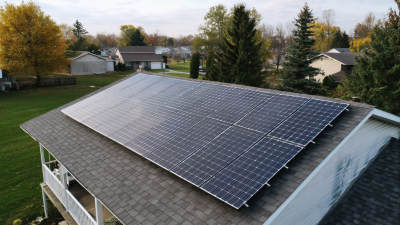
A typical panel contains many silicon cells beneath protective glass. Sunlight reaches the cells, while metal contacts collect the electrical flow. On a clear afternoon, shadows from a chimney or nearby tree can reduce production noticeably. Dust matters, too. In practical installations, panel direction, roof angle, local weather, and seasonal sunlight all influence performance. A professional assessment should examine these details before anyone estimates savings or installation costs.

Numbers need caution. A panel’s advertised wattage describes laboratory conditions, not guaranteed daily output. Real results change with temperature, shading, dirt, and inverter efficiency. Monitoring software can reveal these differences after installation. It may show lower production than expected, and that is not always a system failure. Sometimes the design assumptions were too optimistic. Reviewing manufacturer specifications, independent testing, and local electrical requirements helps build a more reliable understanding. This guide explains how Power Solar Panels work, what their main components do, and where their practical limits deserve closer attention. The technology is accessible. The decisions are not always.
What Are Power Solar Panels and How Do They Work?

What Power Solar Panels Are and the Energy They Produce

What Are Power Solar Panels and How Do They Work?

Power solar panels, more precisely photovoltaic panels, convert sunlight into electrical energy. Their silicon cells absorb photons and release electrons, creating direct current. An inverter then changes this current into alternating current for household appliances or the wider grid. The panel itself produces electricity, not stored power. Batteries are separate equipment.

The energy produced depends on sunlight, panel efficiency, temperature, orientation, and shading. The Fraunhofer Institute’s Photovoltaics Report 2024 shows that many commercial modules now reach roughly 20% to 23% efficiency. In simple terms, one square metre may convert about one-fifth of received sunlight into electricity under testing conditions. Real roofs perform differently. Dust can settle along the lower frame. A nearby tree can reduce output sharply.

Industry growth provides useful context. The International Energy Agency Photovoltaic Power Systems Programme reported that global photovoltaic capacity exceeded 1.6 terawatts by the end of 2023. Yet capacity is not the same as energy delivered. A 5-kilowatt system will not produce 5 kilowatt-hours every hour. Weather changes constantly. A clear winter afternoon and a cloudy summer morning behave differently. A neat estimate can still be wrong. The National Renewable Energy Laboratory notes that production modelling must include local solar resources, system losses, and equipment orientation. That is why experienced installers inspect roof angles, shading patterns, and historical weather before predicting annual energy.

Main Components and Their Functions

What Are Power Solar Panels and How Do They Work?

A solar panel is a group of photovoltaic cells connected inside a protective module. Each cell uses semiconductor material to convert sunlight into direct current. Light becomes current. The front glass admits sunlight, while the encapsulant limits moisture damage. A backsheet or rear glass adds insulation and mechanical protection. Aluminum framing supports the panel during installation, wind, and temperature changes.

The inverter matters. It converts direct current into alternating current for household circuits or the utility grid. Many systems also use a combiner box, cables, disconnects, surge protection, and a monitoring device. A battery is optional, not a basic panel component. It stores excess electricity for later use. Without careful cable sizing, however, small losses can accumulate. Field inspections often find loose connections or poorly planned shading, rather than defective cells.

Scale explains the technology’s importance. The IEA PVPS Trends 2024 report states that global photovoltaic capacity exceeded 1.6 terawatts in 2023. IRENA’s Renewable Capacity Statistics 2024 recorded about 346 gigawatts of new solar capacity during that year. These figures show rapid deployment, but they do not guarantee equal performance everywhere. Roof angle, dust, heat, inverter quality, and maintenance change actual output. A clean specification sheet can hide messy reality. Assuming full rated power all day is too optimistic.

How Sunlight Becomes Usable Electrical Power

What Are Power Solar Panels and How Do They Work?

Sunlight becomes usable electrical power through the photovoltaic effect. Each panel contains semiconductor cells, usually made from crystalline silicon. When sunlight hits these cells, photons transfer energy to electrons. The electrons then move through an external circuit, creating direct-current electricity.

An inverter changes this electricity into alternating current for household appliances. A battery can store extra energy for nighttime use. Otherwise, surplus power may flow into the electrical grid, depending on local rules.

The process sounds simple, but real performance varies. Dust, shade, heat, and panel direction all reduce output. Fraunhofer ISE’s Photovoltaics Report 2024 places many commercial modules near 20–23% efficiency. That means most sunlight still becomes heat, not electricity. It is an important limitation, often overlooked.

Tips: Keep panels clear of leaves and heavy dust. Check shading throughout the year, not only at midday.

IRENA’s Renewable Capacity Statistics 2024 recorded about 1,419 gigawatts of global solar capacity by the end of 2023. Solar also supplied roughly 346 gigawatts of new renewable capacity that year.

These figures show rapid deployment, but they do not guarantee equal results at every site. A professional assessment should examine roof structure, local sunlight, wiring, inverter losses, and seasonal demand. Small design mistakes can become expensive over time.

Types, Efficiency, and Performance Factors

Power solar panels often called photovoltaic panels, convert sunlight into direct current electricity. Semiconductor cells absorb photons and release electrons, creating an electrical flow. An inverter changes this current into usable household electricity. In field installations, output changes noticeably between clear midday skies and cloudy afternoons.

Panel types affect efficiency and performance. Monocrystalline panels usually deliver higher efficiency in limited roof space. Polycrystalline panels can cost less, but their output is often slightly lower. Thin-film panels are lightweight and flexible, although they may require more area. Efficiency ratings describe ideal laboratory conditions, not every real roof. Heat, dust, shading, panel direction, and tilt can reduce production. Even a small chimney shadow may affect several connected cells. That detail is easy to underestimate.

Tips: Check the panel’s temperature coefficient, warranty terms, and independent test data. Keep the surface reasonably clean, but avoid unsafe roof access. Monitor monthly output instead of judging one cloudy day. A professional site assessment should measure shade, wiring distance, and roof condition. I have found that theoretical efficiency can look impressive, yet poor placement still produces disappointing results. Performance estimates are useful, but they are not promises. Expect seasonal variation. Grid limits and local installation rules may also influence the final system design.

Installation, Storage, Maintenance, and Safety Considerations

What Are Power Solar Panels and How Do They Work?

Installation begins with a roof assessment, not a drill. An installer checks roof age, structural strength, shade, and cable routes. Panels need stable mounting and correct orientation for local sunlight patterns. In my experience, afternoon shadows often reduce output more than owners expect. A licensed professional should size the inverter, grounding system, and protective disconnects. Local permits and electrical inspections may also apply.

Storage adds another layer. Batteries should sit in a dry, ventilated area away from heat, water, and blocked exits. The system needs a compatible charge controller and clear emergency shutoff. Never place batteries near flammable materials. Temperature affects battery performance. Cold conditions can reduce charging efficiency, while excessive heat may shorten service life. Indoor placement is not always safer.

Maintenance is simple, but not optional. Inspect mounting points, wiring, connectors, and nearby tree growth several times each year. Dust, leaves, and bird debris can create uneven heating and lower production. Clean panels only when safe, using soft equipment and plain water when appropriate. Do not climb a wet roof. Do not touch exposed wiring. Solar circuits can remain energized in daylight, even after the main switch is off. Output records help identify gradual faults, although readings can be misleading during cloudy weather. I still think many owners underestimate inspection quality; a neat installation can hide loose connections.

What Are Power Solar Panels and How Do They Work? - Installation, Storage, Maintenance, and Safety Considerations

Topic How It Works or What It Involves Typical Data or Range Practical Considerations
Solar photovoltaic panel Photovoltaic cells convert sunlight into direct-current electricity through the photovoltaic effect. Most residential panels use crystalline silicon cells and commonly provide roughly 350–500 watts under standard test conditions. Actual output varies with sunlight, temperature, shading, orientation, panel age, and system losses.
Energy conversion An inverter changes the panels’ direct current into alternating current for household appliances and the electrical grid. Overall system losses commonly reduce usable energy by approximately 10–20%, depending on design and conditions. Inverters may be installed centrally or integrated with individual panels; both arrangements require suitable ventilation and electrical protection.
Solar resource Panels generate more electricity when exposed to unobstructed sunlight and less during cloud cover, heavy haze, or shade. Energy production is usually highest around midday and varies significantly by season and location. A site assessment should examine roof direction, tilt, shading, structural condition, and local solar conditions.
System sizing The required panel capacity is estimated from electricity consumption, available roof or ground area, solar resource, and desired energy offset. A 5-kilowatt system may require approximately 10–15 panels, depending on the rated power of each panel. Sizing should use annual consumption data rather than a single monthly bill, especially where seasonal loads are substantial.
Installation location Panels can be mounted on suitable roofs, carports, façades, or ground structures with adequate solar exposure. The mounting structure must be designed for local wind, snow, rain, and corrosion conditions. Roof penetrations should be weather-sealed, wiring should be protected, and access pathways should be maintained where required.
Orientation and tilt Panel orientation and tilt influence the amount of sunlight received throughout the year. The best direction depends on latitude and the local sun path; a fixed angle is normally selected as a compromise for annual production. Exact optimization is site-specific. Avoiding shade is often more important than achieving a theoretically perfect angle.
Battery storage A battery stores surplus electricity for later use, such as at night or during a power outage when the system is designed for backup operation. Usable capacity is lower than the battery’s nameplate capacity because systems limit the depth of discharge to protect battery life. Battery selection should consider usable capacity, power output, round-trip efficiency, operating temperature, location, warranty, and end-of-life handling.
Grid connection Excess electricity may be exported to the grid where permitted, while electricity can be imported when solar production is insufficient. Export rules, compensation rates, metering requirements, and interconnection limits vary by jurisdiction. Approval from the utility or relevant authority may be required before the system is energized.
Maintenance Routine maintenance focuses on keeping panels clear and checking the system for visible damage or abnormal performance. Panels generally have no moving parts and often require limited routine service when correctly installed. Monitor energy output, inspect after severe weather, remove heavy debris safely, and arrange qualified electrical inspections when needed.
Cleaning Dust, pollen, bird deposits, leaves, and other buildup can reduce the sunlight reaching the cells. Cleaning frequency depends on rainfall, local pollution, pollen, dust, panel angle, and nearby trees. Use safe ground-level methods where possible. Do not walk on panels or clean hot glass with cold water because thermal shock may cause damage.
Performance degradation Panel output gradually declines over time because of environmental exposure and material aging. Many modern panels are designed to retain around 80–90% of their initial rated output after approximately 25–30 years, subject to the product specification. Regular performance monitoring can help identify faults, shading changes, wiring problems, or inverter issues early.
Electrical safety Solar panels can produce electrical voltage whenever they receive light, even when the grid supply is disconnected. System voltage and current depend on the number and arrangement of panels and must remain within equipment ratings. Installation, testing, repairs, and isolation procedures should be performed by qualified personnel following applicable electrical codes.
Fire and emergency safety Panels, cables, inverters, and batteries can remain energized during daylight or under certain backup conditions. Emergency shutdown procedures depend on the system design and local requirements. Keep labels, disconnects, access routes, and emergency information clear. Do not touch damaged equipment after fire, flooding, or severe impact.
Weather and environmental conditions Panels are designed for outdoor exposure, but extreme heat, hail, salt air, snow, moisture, and wind can affect performance and longevity. Electrical output generally decreases as panel temperature rises above the rated test temperature. Use equipment and mounting methods suitable for the local climate, and maintain drainage and ventilation around system components.

Note: Performance figures are general industry ranges. Actual results depend on local climate, system design, installation quality, equipment specifications, electricity use, and applicable regulations.