Essential Tips for Choosing Solar Panel Connectors?
Choosing the right Solar Panel Connectors is crucial for your solar energy system's efficiency and reliability. These small components play a key role in ensuring optimal power output. Selecting improper connectors can lead to performance issues and safety hazards. Therefore, understanding their types and specifications becomes essential.
Solar panel connectors vary in design, compatibility, and durability. A poor choice could compromise your entire setup. It's important to consider the environmental conditions where the solar panels will be installed. Some connectors are better suited for harsh climates, while others may not withstand extreme temperatures. This consideration ensures longevity and performance.
Moreover, not all solar panel connectors are created equal. Some may seem cost-effective but fall short in reliability. You will encounter connectors labeled as weatherproof or heavy-duty, but their performance might differ under stress. Do thorough research and consider professional advice to make informed decisions. Remember, the right connectors safeguard your investment and enhance solar energy production.
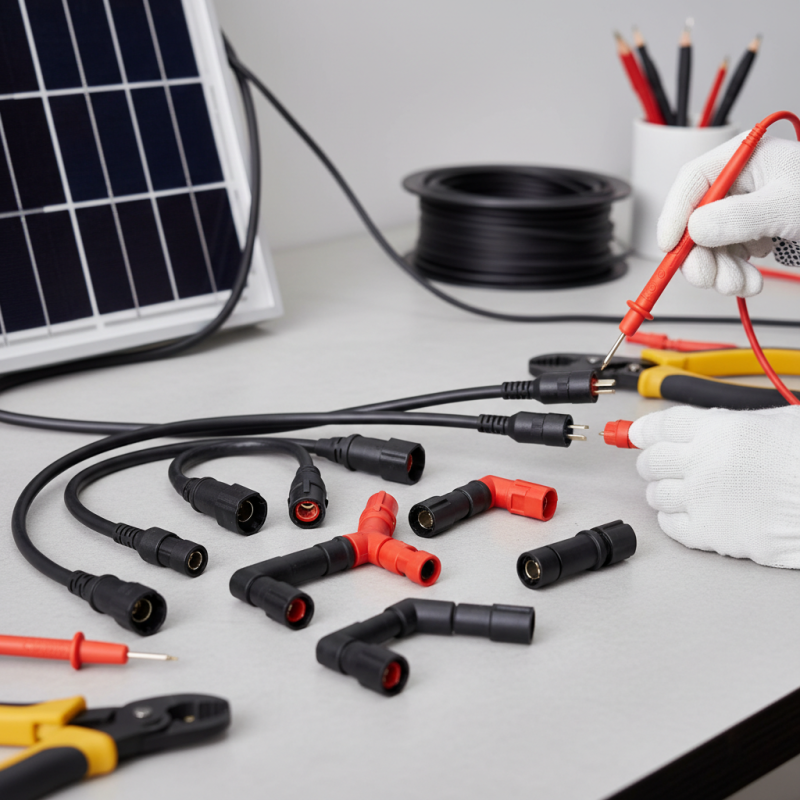
Understanding Different Types of Solar Panel Connectors
When choosing solar panel connectors, understanding the types available is crucial. There are a few primary connector types: MC4, Tyco, and Amphenol. MC4 connectors are popular because they are weather-resistant and easy to use. Tyco connectors offer versatility but may not be as robust in extreme conditions. Amphenol connectors are known for their durability and reliability.
Consider the environment where your solar panels will be installed. In areas with heavy rainfall or extreme temperatures, select connectors that can withstand adverse weather. Always check for the best voltage and current ratings. It is important that the connectors match your solar system's specifications to prevent failures.
A few tips to remember: ensure tight connections to improve performance. Loose connectors can lead to energy loss. Also, think about accessibility. You may need to replace connectors in the future. Choose connectors that are easy to reach and service. Lastly, learn to balance quality with cost. While cheaper connectors may seem appealing, they might not last as long or perform as well. Take your time to assess your options.
Key Factors to Consider When Choosing Solar Panel Connectors
When selecting solar panel connectors, several essential factors come into play. The connector type is crucial. There are multiple options, including MC4 and Tyco connectors. Each has unique features. For instance, MC4 connectors are widely used due to their reliability and ease of installation.
Durability is another key factor. Look for connectors that can withstand harsh weather conditions. Temperature resistance is vital, especially in extreme climates. Ensure the connectors you choose can handle UV exposure and moisture to prevent premature failure. Quality connectors can save money on replacements over time.
Safety features are equally important. Check for connectors with proper insulation and locking mechanisms. This prevents accidental disconnections. Additionally, consider the power rating of the connectors. Ensure they can manage the voltage and current from your solar panel system. Many users overlook these details, leading to issues later.
Thoughtful consideration can lead to a more efficient and trouble-free solar installation.
Evaluating Compatibility with Existing Solar Systems
When assessing solar panel connectors, compatibility with existing systems is crucial. Factors such as voltage, amperage, and connection type play a significant role. Inadequate matching can lead to inefficiencies and safety risks. According to a report by the Solar Energy Industries Association, 43% of system failures trace back to improper connectors. This statistic emphasizes the importance of careful selection.
Ensure that the connectors meet the specifications of your solar panels and inverter. Different systems often use various connector standards. For example, MC4 connectors are prevalent in residential solar installations. However, not all systems employ them. Therefore, cross-referencing technical documentation is essential.
Tips for achieving compatibility include checking the system’s rating before purchasing connectors. Look for signs of wear or damage on existing connectors. Often, old systems require different configurations. As they age, performance may decline. Compatibility is not always straightforward, and sometimes compromises must be made. Testing connections under operational conditions can help identify potential issues early in the setup.
Assessing Durability and Weather Resistance of Connectors
When selecting solar panel connectors, assessing their durability and weather resistance is crucial. Connectors must endure various environmental conditions. They face rain, snow, and intense sunlight every day. A weak connector can lead to energy loss. Check for materials that can withstand UV rays and moisture. Quality connectors often feature corrosion-resistant coatings. This aspect is vital for long-lasting performance.
Tips: Always look for connectors rated for outdoor use. Research the IP (Ingress Protection) rating. Higher ratings indicate better resistance to dust and moisture. Consider temperature tolerance, too. Connectors should function well in both extreme heat and cold. They should maintain a secure fit under stress.
Pay attention to installation. Improper handling can lead to compromised integrity. Take time to ensure connections are tight and secure. A reliable connector makes a difference in system performance. Regular inspections are helpful for maintenance. Identify wear or damage early to avoid issues down the line.
Tips for Proper Installation and Maintenance of Solar Connectors
When installing solar panel connectors, attention to detail is crucial. Begin by ensuring all connections are clean and free from debris. A tiny speck of dirt can compromise the connection. After cleaning, securely attach each connector. A loose connection may lead to performance issues. Regularly inspect them for any signs of wear or corrosion, as these can hinder efficiency.
Maintenance is equally important. Seasonal checks can prolong the life of your connectors. Look for fraying wires or discoloration. These issues often indicate deterioration. Take time to review the connections, especially after severe weather events. Avoid assuming they are intact. Document any findings, as this helps track long-term performance.
Understanding the environment your system operates in can guide better maintenance. For example, if you live near the sea, salt can corrode connectors faster. Choosing materials that resist environmental factors is wise. Reflect on your installation and maintenance practices regularly. Small adjustments can lead to significant improvements in reliability and efficiency.