Top Clean Energy Solar Panels for 2025 What You Need to Know
As the world increasingly shifts towards sustainable solutions, clean energy solar panels have emerged as a pivotal technology in combating climate change and reducing reliance on fossil fuels. By harnessing the abundant power of the sun, these innovative systems not only contribute to a greener planet but also provide significant savings on energy costs for homeowners and businesses alike. In 2025, the landscape of clean energy solar panels promises to evolve even further, with advancements in efficiency, affordability, and aesthetic integration.
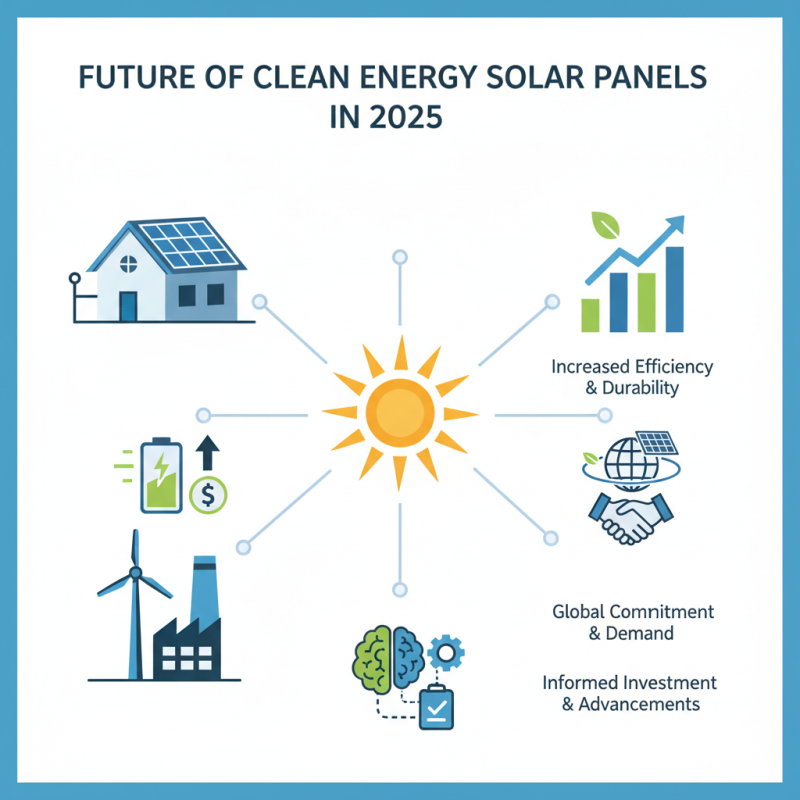
The ongoing research and development in solar technology are set to deliver panels that are not only more efficient but also more resilient against environmental factors. This enhances their desirability and practicality for a broader range of applications. As governments and organizations around the globe ramp up their commitments to sustainability, the demand for clean energy solar panels is expected to soar, prompting innovations that cater to diverse consumer needs.
Understanding what the future holds for clean energy solar panels will be crucial for anyone looking to invest in solar technology. From selecting the right type of panels to keeping abreast of industry trends and potential incentives, preparing for the advancements in 2025 will enable consumers to make informed decisions that benefit both their wallets and the environment.
Top Clean Energy Solar Panels: An Overview for 2025
As we look towards 2025, the clean energy landscape is rapidly evolving, and solar panels remain a central player in this transformation. Solar panels harness sunlight to produce electricity, making them a sustainable option for reducing reliance on fossil fuels. With advancements in technology, modern solar panels are more efficient and affordable than ever, making clean energy accessible to a broader audience. This overview will guide you through the key features to consider when choosing solar panels for your energy needs.
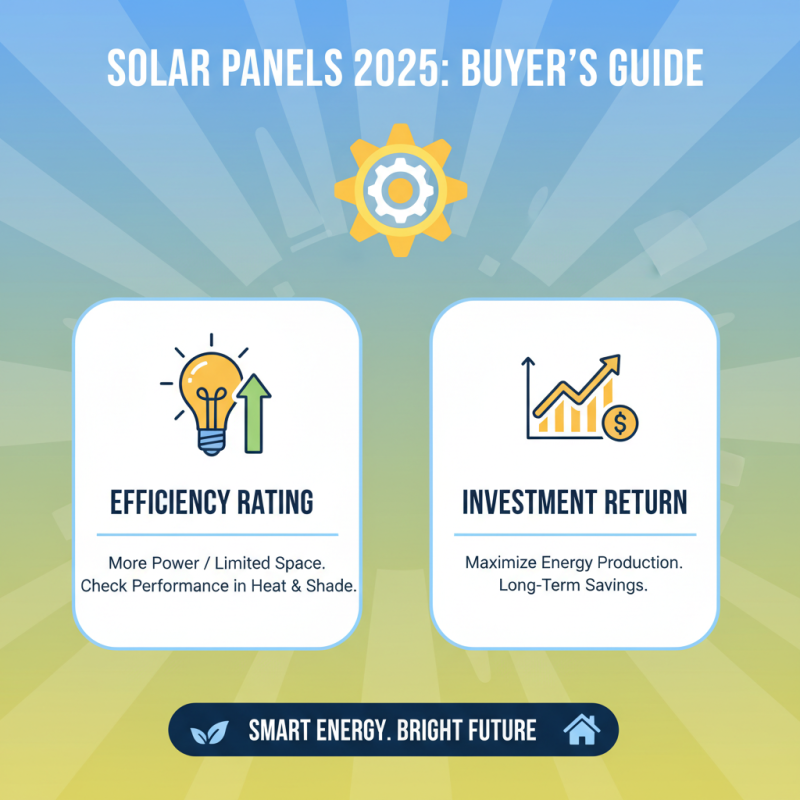
Tips for selecting the right solar panels include evaluating efficiency ratings and warranties. Higher efficiency ratings indicate that a panel can convert more sunlight into electricity, which can be especially valuable in areas with limited space. Additionally, consider the warranty period; quality solar panels often come with extensive warranties, reflecting the manufacturer’s confidence in their product. Researching local regulations and incentives is also crucial, as various programs can subsidize the cost and encourage solar adoption.
Another essential consideration is installation. Opting for professional installation ensures that panels are positioned correctly to maximize sun exposure, leading to better energy production. DIY installations might save some upfront costs, but they can often result in inefficiencies and safety risks. Engaging with experienced installers can also provide valuable insights into the latest advancements and maintenance practices, ensuring your solar investment remains productive for years to come.
Top Clean Energy Solar Panels for 2025: An Overview
| Panel Type |
Efficiency (%) |
Power Output (W) |
Warranty (Years) |
Price Range ($) |
| Monocrystalline |
20-24 |
300-400 |
25 |
150-300 |
| Polycrystalline |
15-20 |
250-360 |
25 |
100-250 |
| Thin Film |
10-13 |
100-200 |
15 |
50-150 |
| Bifacial |
20-22 |
350-450 |
30 |
200-400 |
Key Technologies Driving Solar Panel Innovations in 2025
As we look towards 2025, several key technologies are emerging as game-changers in the solar panel industry. One of the most influential developments is the enhancement of photovoltaic materials, particularly the shift towards perovskite solar cells. These materials promise higher efficiency rates and lower production costs, making solar energy more accessible and affordable for consumers. Additionally, the integration of bifacial panels, which harvest sunlight from both sides, is gaining traction, allowing for increased energy output without the need for additional space.
Tip: When considering solar solutions, research advancements in materials like perovskites that may lead to more effective installations in the near future.
Another significant innovation is the utilization of smart technology in solar panels. Modern systems can now incorporate built-in sensors and IoT capabilities, allowing for real-time monitoring and data analysis. This not only enhances performance by optimizing energy collection but also provides users with insights into their energy usage patterns. Smart solar panels can even connect to home automation systems, providing a seamless energy management experience.
Tip: Explore the benefits of smart technology in solar energy systems, as it can help you maximize efficiency and convenience in your energy consumption.
Factors to Consider When Choosing Solar Panels in 2025
When selecting solar panels in 2025, there are several critical factors to consider that can greatly influence your investment. Firstly, the efficiency rating of the solar panels is paramount. Higher efficiency panels can convert more sunlight into electricity, ensuring that you maximize energy production, especially in areas with limited roof space. It's essential to compare not only the efficiency ratings but also how these ratings perform under various environmental conditions, such as high temperatures or shading.
Another important factor is the durability and warranty of the solar panels. Given that solar panels are a long-term investment, it's crucial to choose panels that are built to withstand the elements. Look for panels with robust materials and certifications that attest to their ability to handle extreme weather. A comprehensive warranty will provide peace of mind; typically, a longer warranty period indicates the manufacturer's confidence in the product's longevity and performance. Additionally, consider the environmental impact of the manufacturing process and the materials used in creating the panels, as opting for eco-friendly options can align better with sustainable energy goals.
Top Brands Dominating the Solar Panel Market in 2025
The solar panel market is evolving rapidly, with key players introducing innovative technologies and competitive pricing to capture market share. According to the International Energy Agency (IEA), the global installed solar photovoltaic (PV) capacity is expected to surpass 1,200 gigawatts (GW) by the end of 2025, underscoring a significant expansion in the clean energy sector. Leading manufacturers are increasingly focusing on efficiency rates, aiming to exceed 24% in their products. Advanced materials and design enhancements are crucial factors driving this trend as companies strive to deliver panels that not only produce more energy but also have longer lifespans.
In addition to technological advancements, brand reputation and customer service have become critical in choosing solar panel providers. A recent report by SolarPower Europe indicates that consumer trust, built through transparency and reliability, is now as important as panel efficiency. Companies that prioritize sustainability practices are gaining traction among environmentally-conscious consumers, with 65% of potential buyers willing to pay a premium for panels produced with sustainable methods. As the demand for solar energy continues to grow, these top brands are positioning themselves to lead the market by balancing high performance with strong customer engagement and ethical manufacturing processes.
Cost-Effectiveness and Incentives for Solar Panel Installation in 2025
As we progress towards 2025, the landscape of solar panel installations continues to evolve, particularly regarding cost-effectiveness and available incentives. According to the Solar Energy Industries Association (SEIA), the average cost of solar photovoltaic (PV) systems has decreased by approximately 70% since 2009, making solar energy more accessible for homeowners and businesses alike. This trend is expected to continue, with further price reductions driven by advancements in technology and increased manufacturing efficiencies. It is projected that by 2025, residential solar installations could see prices dip below $2.50 per watt, significantly enhancing their financial viability.
In addition to declining costs, various government incentives are poised to play a critical role in promoting solar panel adoption. The Federal Investment Tax Credit (ITC), which allows homeowners to deduct a percentage of the cost of installing a solar energy system from their federal taxes, is set to remain in effect until 2024, providing a vital financial boost. Some states have also introduced further incentives such as rebates and solar renewable energy certificates (SRECs) that offer additional returns on investment.
A report by the National Renewable Energy Laboratory (NREL) indicates that these incentives can cover up to 30% of installation costs, making solar panels a more attractive option for many households by 2025. As awareness of these benefits grows, coupled with the incentives and cost reductions, we are likely to see a significant uptick in solar panel installations in the coming years.