Top 10 Solar Panel Benefits You Must Know for Energy Savings and Sustainability
The transition to renewable energy sources is becoming increasingly crucial in our fight against climate change, and solar panels have emerged as a leading solution for energy savings and sustainability. According to a recent report from the International Renewable Energy Agency (IRENA), the global solar energy capacity has grown exponentially, reaching 1,000 GW in 2020, a signal that more individuals and businesses are embracing the efficiency and cost-effectiveness of solar technology. As David Dwyer, a notable renewable energy expert and author, states, "The affordability and functionality of solar panels not only contribute to significant reductions in energy bills but also support the global shift towards sustainable energy."

As governments and organizations around the world push for greener initiatives, the benefits of solar panels extend beyond just financial savings. They play a pivotal role in reducing carbon footprints and promoting energy independence. A report by the National Renewable Energy Laboratory (NREL) indicates that by switching to solar panels, households can potentially reduce their electricity costs by 50% over the system's lifespan. Furthermore, solar power is one of the fastest-growing sectors in renewable energy, with job creation in this field outpacing many traditional industries. Embracing solar panels is not just about saving money; it is about paving the path towards a more sustainable, environmentally-friendly future.
The Financial Advantages of Solar Panels for Homeowners in 2025
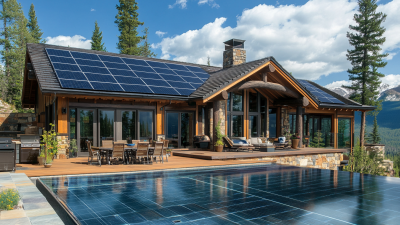
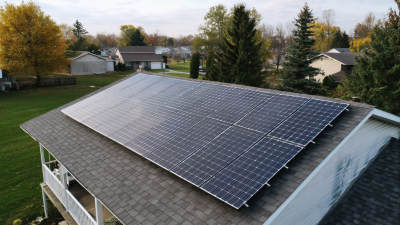
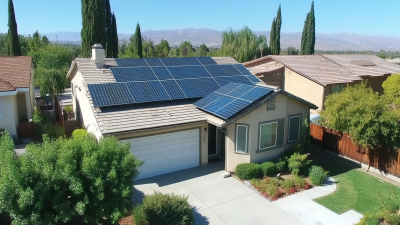
As we look towards 2025, the financial advantages of solar panels for homeowners have become increasingly compelling. With the ongoing evolution of technology and government incentives, investing in solar energy allows homeowners to significantly reduce their electricity bills. Many regions are offering tax credits and rebates, which can offset the initial installation costs of solar systems. This financial relief not only encourages homeowners to make the switch but also enhances property value, making it a savvy long-term investment.
Moreover, solar panels offer protection against rising energy costs in the future. By generating your own electricity, homeowners can stabilize their energy expenses, avoiding the fluctuations associated with traditional utility rates. As energy demand continues to grow, the ability to harness energy from the sun provides a sustainable alternative that can lead to substantial savings over time. The integration of energy storage systems additionally empowers homeowners to utilize solar energy even during peak hours or outages, further solidifying the financial benefits of this renewable resource.
Environmental Impact: How Solar Energy Contributes to Sustainability
The integration of solar energy into our daily lives plays a pivotal role in promoting sustainability. By harnessing the power of the sun, we significantly reduce our reliance on fossil fuels, which are major contributors to greenhouse gas emissions. Solar energy mitigates the environmental impact caused by traditional energy sources, making it a cleaner alternative. While there are some environmental concerns associated with the manufacturing and installation of solar panels, ongoing innovations and regulatory measures are aimed at minimizing these impacts and enhancing eco-friendliness.
Besides, the intersection of solar energy and other renewable technologies, such as green hydrogen production, points towards a future where energy systems are interlinked for maximum sustainability. The potential of renewable energy to reshape industries, including sectors with high environmental footprints like fast fashion, showcases its ability to drive significant positive change. By investing in solar energy, we not only pursue energy savings but also contribute to broader sustainability goals, fostering a cleaner, healthier environment for future generations.
Innovative Solar Technologies Enhancing Efficiency and Performance
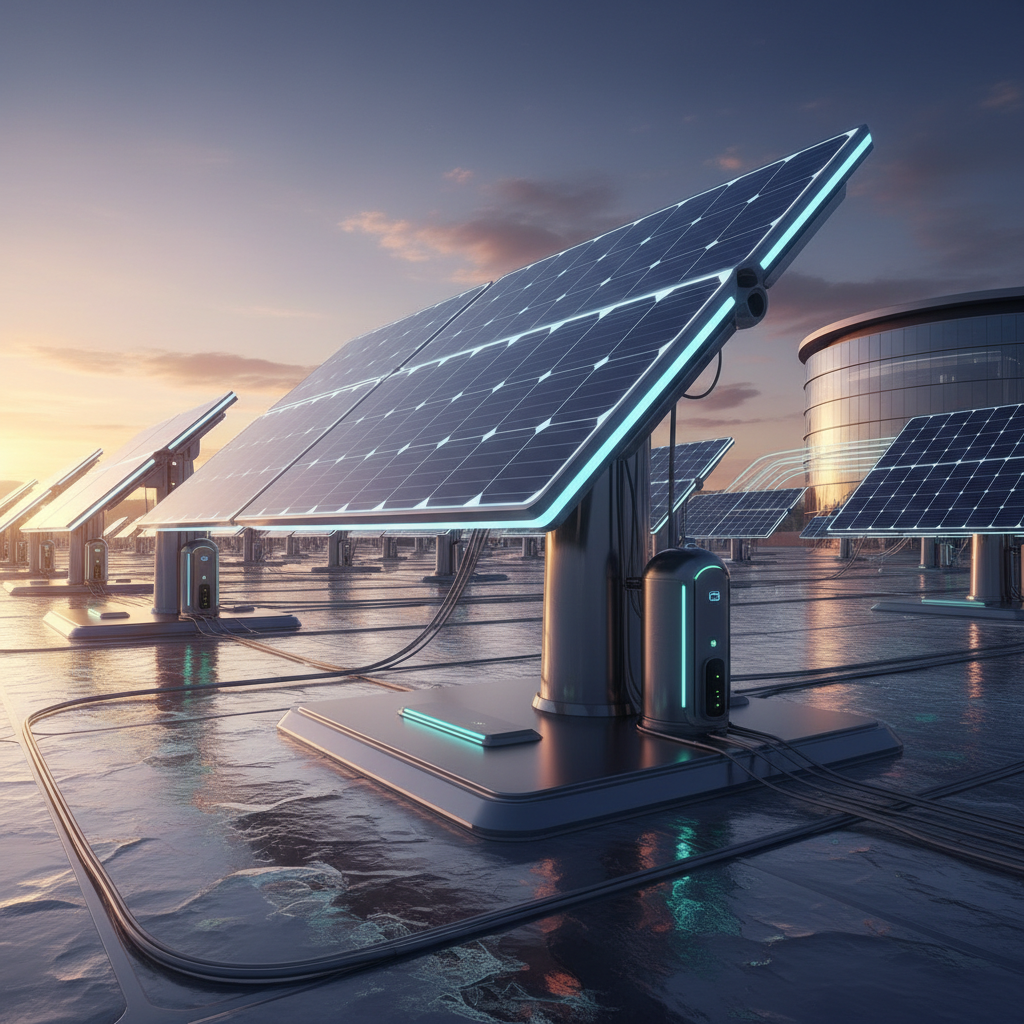
Innovative solar technologies are revolutionizing the way we harness and utilize solar energy, enhancing both efficiency and performance. Advanced photovoltaic cells, such as bifacial solar panels, are designed to capture sunlight from both sides, significantly increasing energy production. Additionally, smart inverters are making it easier to monitor and manage energy output, optimizing performance based on environmental conditions.
Tip: Consider investing in bifacial panels if you live in a sunny area with reflective surfaces, as they can increase overall energy generation by up to 30%.
Moreover, energy storage solutions, such as lithium-ion batteries, are being integrated with solar systems to provide a steady energy supply even when the sun isn't shining. These innovations not only contribute to greater energy savings but also promote sustainability by reducing reliance on fossil fuels.
Tip: When choosing a solar storage solution, evaluate your energy needs and select a battery with adequate capacity to meet those needs during peak usage times.
Government Incentives and Subsidies Driving Solar Adoption in 2025
As solar energy gains traction globally, government incentives and subsidies have emerged as pivotal drivers of solar adoption, particularly in 2025. Recent reports from the International Energy Agency (IEA) indicate that countries worldwide are ramping up financial support to facilitate the transition to renewable energy sources. This year alone, solar installations are expected to soar by nearly 15%, thanks in part to policies aimed at reducing the upfront costs for consumers. These incentives make solar panels more accessible to homeowners and businesses, significantly enhancing energy savings and promoting sustainability.
**Tip:** If you're considering solar energy for your home, research local and federal incentive programs. Many states offer tax credits, rebates, and even low-interest loans that can drastically reduce installation costs. For example, the Investment Tax Credit (ITC) allows you to deduct a substantial percentage of your solar panel installation from your federal taxes.
Furthermore, the growing trend of corporate sustainability has led many businesses to invest in solar energy as a strategic move to fulfill corporate social responsibility goals. According to a report by Wood Mackenzie, U.S. commercial solar installations are set to double by 2025, fueled by favorable policy environments and the pressing need for businesses to reduce their carbon footprint. As a result, companies can not only benefit financially from reduced energy costs but also improve their public image and appeal to environmentally conscious consumers.
**Tip:** When planning to install solar panels, consider joining a community solar program if full installation isn't feasible. These programs allow you to benefit from solar energy without the need for a rooftop system, supporting sustainability on a larger scale while still saving on energy bills.
Long-Term Energy Independence: The Future of Solar Power Solutions
The future of solar power solutions is bright, as the global solar market is projected to grow from $266.57 billion in 2024 to an impressive $410.17 billion by 2031. This growth, driven by an annual compound growth rate of 6.35%, highlights the increasing shift towards renewable energy sources and energy independence. The adoption of solar power is not only crucial for sustainable energy but also presents an opportunity for nations and businesses to reduce reliance on conventional energy grids.
Portable solar generators also reflect this trend, with the market expected to expand from $2.39 billion in 2023 to $4.5 billion by 2032, showcasing a notable compound annual growth rate of 7.3%. This burgeoning interest in portable solar solutions signifies a broader movement towards energy self-sufficiency, enabling users to harness renewable energy for diverse applications. As countries like Japan implement regulations requiring new homes to install photovoltaic panels, it becomes clear that solar energy will play a pivotal role in shaping a more sustainable and independent energy future.