What Are the Top Types of Solar Panel Installation?
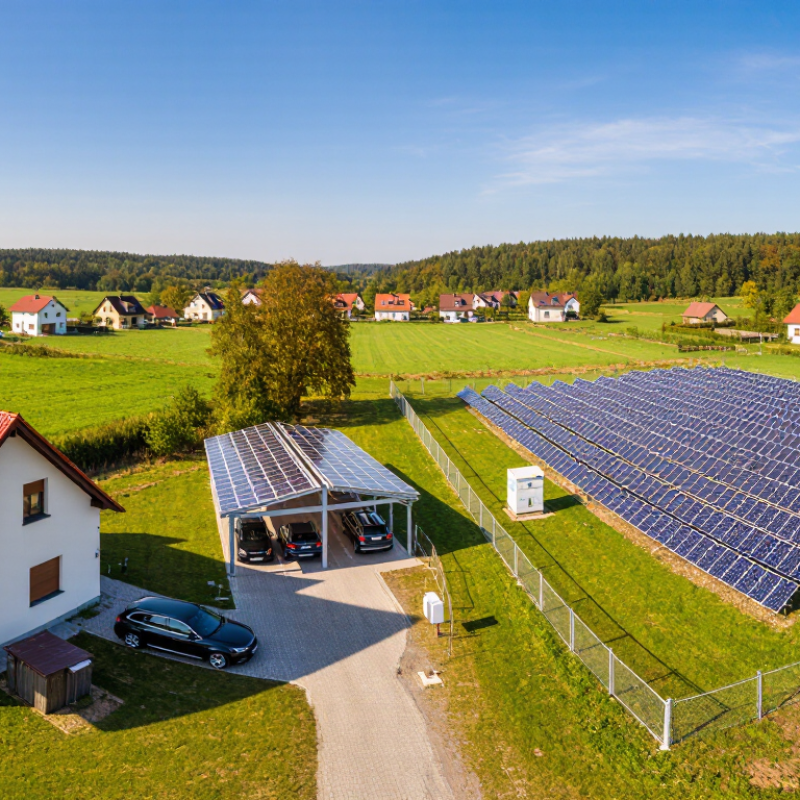
Solar panels can sit on a tiled roof, a steel-framed carport, or a rack in an open field. The right Solar Panel Installation depends on the property, energy use, and available space. Some homes connect directly to the utility grid. Others pair panels with batteries or operate independently.
Renewable-energy advocate Hermann Scheer captured the promise in this often-cited line: “The sun provides more energy in one hour than the whole world consumes in a year.” Yet abundant sunlight does not make every installation equally practical. A shaded roof may produce less power, while a ground-mounted array needs clear land and careful planning. Small details matter.
This guide compares the main installation types: rooftop, ground-mounted, carport, grid-tied, hybrid, and off-grid systems. These labels describe different things. Rooftop and ground-mounted refer to panel location; grid-tied and off-grid describe how a system connects to power supplies. The categories can overlap. A rooftop array, for example, may be grid-tied or paired with batteries.
Expect trade-offs, not a universal winner. Roof condition, local weather, storage needs, and installation costs all affect the choice. A proposal may look simple on paper. The real site can be less tidy. Looking closely at each option helps homeowners ask better questions and compare designs more reliably.
Rooftop Solar Panel Installations
Rooftop Solar Panel Installations
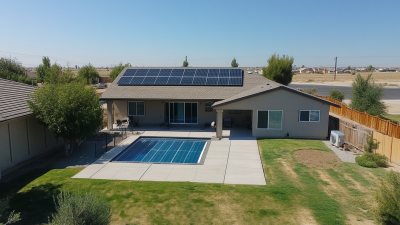
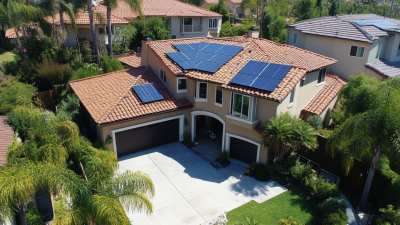
A rooftop system uses the roof’s available space to generate electricity close to where it is used. The roof should be checked before panel layout begins. An installer may inspect the covering, rafters, drainage paths, and signs of previous leaks. A few cracked tiles matter. So does an aging roof that may need repairs soon. Panels can remain in place for decades, making roof condition an important part of the decision.
Panel placement depends on roof direction, pitch, and shade from trees, chimneys, or nearby buildings. The best direction varies by location, so a simple rule of thumb may not fit every home. Mounting hardware must suit the roof material and local wind and snow conditions. Some systems use roof penetrations that need careful sealing; other roof types call for different mounting methods.
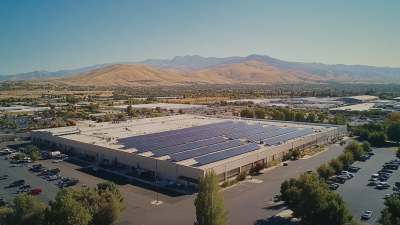
On flat roofs, added ballast can increase structural loads. An assessment should account for that weight. Even a detailed survey can miss an awkward detail, such as a narrow access route or a shaded corner in late afternoon. Ask how the proposed layout handles these conditions, where wiring will run, and how future roof repairs could affect the panels.
Ground-Mounted Solar Panel Installations
Ground-Mounted Solar Panel Installations
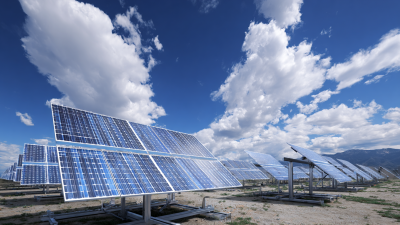
Ground-mounted solar panels sit on racks fixed into the ground rather than on a roof. This layout can make panel direction and spacing easier to adjust. It may suit properties with open, sunny land and limited roof space. An installer can assess shading, soil, drainage, and the distance to the electrical connection before recommending a design. Small details matter: a tree’s afternoon shadow or a soggy corner can reduce production or complicate construction.
There are trade-offs. Ground arrays use land, and excavation or racking needs depend on local soil conditions. Rocky ground may require a different support approach than firm, level soil. Access matters, too; technicians need room to inspect wiring and clear weeds around the array. Keep that in mind. Panels can be easier to reach than rooftop systems, but exposed equipment may need more frequent attention from vegetation, dust, or animals. A site visit is more useful than judging from a map alone. Even a careful estimate has limits, and homeowners should ask how seasonal shade, drainage, and future landscaping could change the system’s performance.
Solar Carports and Canopy Installations
Solar carports and canopy installations add solar panels above parking spaces, walkways, or loading areas. They generate electricity while giving parked cars shade and some protection from rain. For businesses, schools, and public facilities, the appeal is practical: the land already serves a purpose, and the structure can make it work harder. A welcome change.
The design depends on the site. Engineers check soil conditions, wind exposure, drainage, and the distance between support columns. Those columns need to leave enough room for vehicles to turn and doors to open. Panel height and angle affect both energy production and shade, so a layout that looks neat on paper may feel awkward in daily use. That is easy to overlook. Snow loads, where relevant, and runoff paths also need attention.
Construction can disrupt parking, and underground utilities may complicate foundation work. A qualified team should assess structural capacity and electrical connections before installation; site-specific requirements can differ. Maintenance access matters, too. Workers need safe ways to inspect wiring and clean panels without blocking busy areas. Owners should compare expected energy output with the full project cost, including the canopy structure. The numbers may disappoint. Even so, a well-planned canopy can pair useful shade with on-site solar generation, especially where open parking lots receive steady sunlight.
Building-Integrated Solar Panel Installations
Building-integrated solar turns parts of a building’s outer shell into electricity-generating surfaces. Instead of mounting panels above a roof, a project may use solar roof tiles, façade panels, or semi-transparent glazing. The solar material must serve two jobs: producing power and helping protect or enclose the building. Looks seamless. But the details matter.
Designers need to coordinate the electrical layout with drainage, ventilation, insulation, and weatherproofing. On a pitched roof, for example, installers must plan how water moves around seams and edges. A façade system also needs suitable wiring routes and access for maintenance. These details are easier to address on new builds than during a retrofit, when existing dimensions and materials can limit choices.
Output depends on factors such as orientation, shading, temperature, and the active area available. A shaded section beside a deep window reveal may generate less than an unobstructed roof plane. The building’s appearance can improve, but integrated products may cost more or require specialist replacement parts. Not always simple. Project teams should compare expected energy production, construction costs, and repair access before selecting a system. Even careful plans can miss awkward site conditions, so a final review of drawings and on-site measurements is worthwhile.
Floating Solar Panel Installations
Floating solar panel installations place photovoltaic modules on buoyant platforms across reservoirs, quarry lakes, or other sheltered water bodies. They can generate electricity without taking up valuable farmland or rooftops. Water may help moderate panel temperatures, but higher output is not guaranteed. Conditions vary. Wind, waves, and changing water levels all matter.
A reliable design starts with a careful site assessment. Engineers evaluate water depth, shoreline access, wind exposure, anchoring points, and the route for connecting electricity to the grid. Cables and electrical equipment need suitable protection from moisture and corrosion. Maintenance also deserves attention: crews must reach the platforms safely to inspect connections, remove debris, and replace damaged parts. One overlooked detail can complicate routine repairs. Floating systems may reduce land-use pressure, yet they can affect water operations or habitats if poorly planned. That trade-off deserves honest review.
Tips: Check seasonal water-level changes before choosing a site. Ask how workers will access the array during maintenance. Compare expected energy production with a land-based design, using local weather and shading data. Keep the assumptions visible; early estimates are not guarantees.