Top 10 Water Pump Casing Types You Should Know?
When it comes to water pumps, one crucial component is the water pump casing. This part plays a vital role in housing the pump mechanism and directing the flow of water. Different designs of water pump casings can impact efficiency, durability, and performance. Choosing the right casing type is not a one-size-fits-all situation. It often requires careful consideration of the application and environmental factors.
In this article, we will explore the top 10 water pump casing types you should know. Each type has unique features that meet various industry needs. However, not all options work great for every situation. Some might offer high pressure but lack corrosion resistance, while others could be too bulky for tight spaces.
Understanding the strengths and weaknesses of each water pump casing type will help you make informed decisions. Make sure to reflect on your specific requirements. The right choice can enhance your water system's efficiency and longevity.
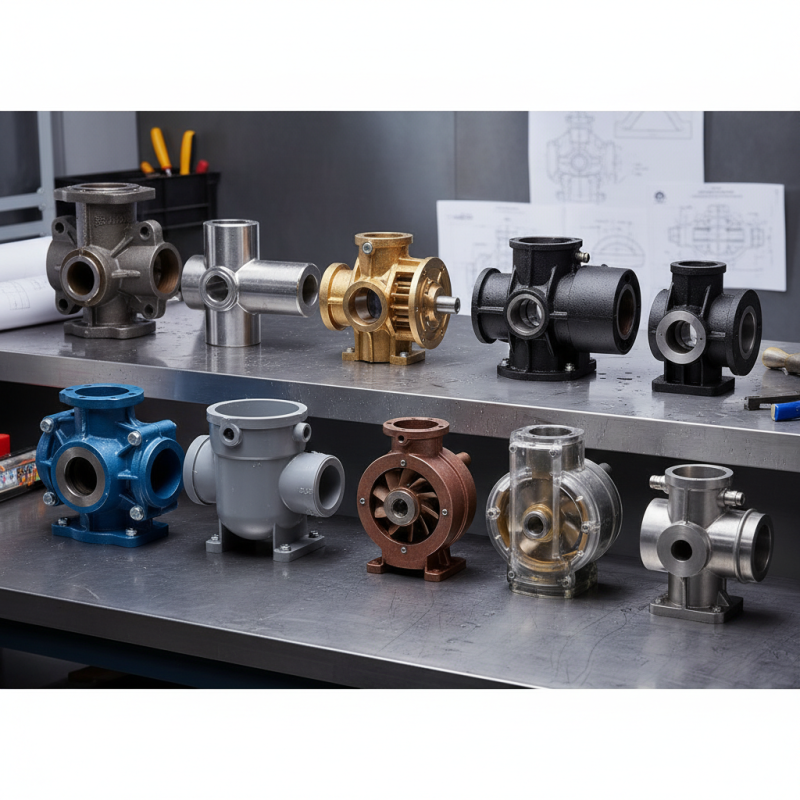
Types of Water Pump Casings and Their Functions
When it comes to water pump casings, different types serve various functions. Selecting the right casing ensures optimal performance and durability. Here are some common types:
Metal casings offer strength. They withstand high pressure and elevation. They are ideal for deep well applications. Plastic casings are lightweight and resistant to corrosion. They're suitable for chemical applications.
Composite options blend the best of both worlds. They offer strength without the weight.
When choosing a casing, think about your specific needs. First, assess the environment.
Harsh conditions require tough materials. Additionally, consider the flow rate and pressure demands. A mismatch can lead to inefficiencies or failures.
Tips: Always consult with a professional if unsure about your choice. Sometimes, experimentation could reveal better options. Regular maintenance is key to prolonging the life of your casing. Clean it periodically to avoid buildup. Take notes on any changes in performance. This information can guide future decisions.
Key Materials Used in Water Pump Casing Design
The materials used in water pump casing design are crucial. They impact performance, durability, and cost. Common materials include cast iron, stainless steel, and thermoplastics. According to industry reports, cast iron is favored for its strength and resistance to corrosion. It's widely used in industrial applications. However, it is heavy and may require more energy to install.
Stainless steel offers a lightweight, durable alternative. It withstands high pressures and resists rust. However, the cost of stainless steel can be a barrier for some projects. Industry data suggests that around 30% of manufacturers prefer stainless steel for its longevity, despite its higher price tag.
Thermoplastics are increasingly popular due to their versatility and resistance to chemicals. They are lightweight and can be molded into complex shapes. Some engineers still question their ability to handle extreme environments. While thermoplastics can reduce costs, concerns about long-term performance remain. Case studies reveal mixed results in challenging conditions.
Comparative Analysis of Pump Casing Types for Different Applications
When selecting the right water pump casing, it's crucial to consider the specific application. Different materials and designs can significantly impact performance. For instance, cast iron casings are popular for durability. However, they may not be the best choice for corrosive environments. Stainless steel, while resistant to corrosion, can be more expensive. It’s important to weigh these factors based on your needs.
In terms of design, there are various shapes and sizes available. Centrifugal pump casings are widely used for their efficiency in moving large volumes of water. Volute designs help manage pressure but can complicate maintenance. In contrast, diffuser casings can yield better performance in specific situations, albeit with a possible increase in costs. Choosing the right shape and material is essential but can be tricky.
Adaptation is key in this field. Each pump casing type serves different industrial needs. While it might be tempting to choose the most robust option, the optimal choice often lies in a balance of factors such as size, material, and cost-efficiency. Reflecting on past decisions can help in making better selections next time.
Top 10 Water Pump Casing Types
Factors Influencing the Selection of Water Pump Casings
When selecting a water pump casing, several factors demand careful consideration. The operating environment is crucial. According to a report by the Pump Industry Analysis Group, approximately 40% of pump failures are due to unsuitable materials for the given conditions. For instance, casings made of stainless steel may be ideal for corrosive environments, while plastic casings suit less demanding applications. Choosing the wrong material can lead to performance issues and unplanned downtime.
Another significant factor is flow rate and pressure requirements. Research from the Hydraulic Institute indicates that improper casing design can reduce efficiency by up to 30%. When dealing with high flow rates, a larger casing may be necessary to minimize turbulence and maintain pressure. Ignoring these parameters can result in increased energy consumption and higher operational costs.
Lastly, maintenance considerations should not be overlooked. A casing that is difficult to access may lead to prolonged downtime during repairs. According to industry feedback, nearly 25% of operators report challenges in maintaining their water pumps due to poor casing design. Evaluating the ease of maintenance is critical for long-term reliability. Careful analysis of these factors can significantly enhance the longevity and efficiency of water pump systems.
Future Trends in Water Pump Casing Technologies
In recent years, the water pump casing industry has seen significant advancements. New materials are emerging, offering better durability and resistance to corrosion. Innovations in design aim to enhance efficiency and decrease power consumption. The future seems bright for water pump technologies.
Understanding the environmental impact is crucial. Manufacturers are focusing on sustainable practices. This includes using recyclable materials in pump casings. Reducing the carbon footprint is becoming essential. More companies are investing in research for biodegradable options. It's a challenge, but a necessary one.
Tips: Always choose materials wisely. Assess their lifecycle impacts. Regular maintenance of water pumps improves efficiency. Stay informed about new technologies that support sustainability. This awareness can guide better purchasing decisions.