The Ultimate Guide to Choosing the Right Solar Panel Installation for Your Home in 2023
In 2023, the demand for renewable energy sources has reached unprecedented levels, with solar panel installation becoming a cornerstone of sustainable living. According to the Solar Energy Industries Association (SEIA), the U.S. solar market experienced a remarkable growth of 35% in 2022, marking a record high of 21.6 gigawatts (GW) installed. This surge is driven not only by environmental concerns but also by decreasing costs; the price of solar systems has dropped by over 70% since 2010. As households seek to reduce their carbon footprint and energy bills, understanding the intricacies of solar panel installation is more crucial than ever. Choosing the right system involves evaluating factors such as energy needs, local regulations, and available incentives, all of which play a significant role in maximizing both efficiency and savings.
Understanding Different Types of Solar Panels Available for Home Installation
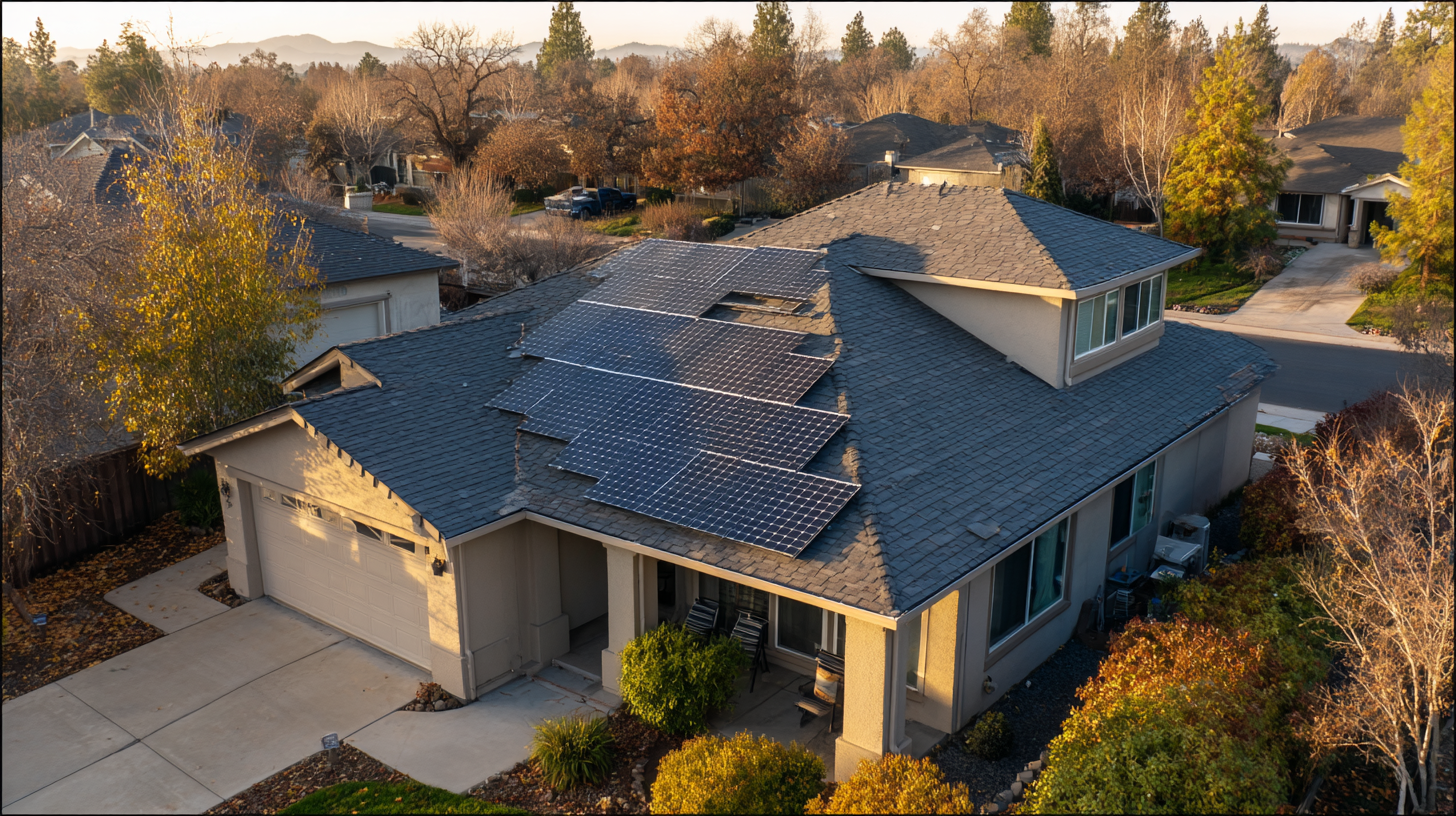 When it comes to installing solar panels at home, understanding the different types available is crucial for making an informed decision. The three most common types are monocrystalline, polycrystalline, and thin-film solar panels. Monocrystalline panels are known for their high efficiency and sleek appearance, making them a popular choice for homeowners with limited roof space. Polycrystalline panels, on the other hand, are generally more affordable and suitable for larger areas, although they are slightly less efficient. Lastly, thin-film panels are lightweight and flexible, offering ease of installation on various surfaces, but they often require more space to produce the same amount of power.
Tips: When evaluating which type of solar panel to choose, consider factors such as your budget, energy needs, and roof space. Additionally, check for warranties and the expected lifespan of the panels, as these can vary significantly.
Another key consideration is the efficiency rating of the solar panels. Higher efficiency panels will generate more energy in smaller spaces, which is ideal for locations with limited sunlight. Be sure to look for panels with at least a 15-20% efficiency rating for optimal performance.
Tips: Always request quotes from multiple suppliers, and check online reviews to gauge the reliability of the installation service. Investing in a knowledgeable installer can enhance the performance of your solar panel system, ensuring you reap the maximum benefits for years to come.
Key Factors to Consider When Selecting Solar Panel Systems
When selecting the right solar panel system for your home, several key factors warrant consideration to ensure optimal performance and value. First, assessing your energy needs is crucial. This involves analyzing your past electricity usage and determining how much power you intend to generate with solar energy. Knowing the kilowatt-hour usage will help you choose a system that adequately meets your consumption requirements while providing potential savings on utility bills.
Another significant factor is the quality of the solar panels themselves. Look for reputable brands that offer durable products with high efficiency ratings and solid warranties. Researching the types of solar panels—monocrystalline, polycrystalline, or thin-film—can also influence your decision, as each comes with its pros and cons regarding efficiency, cost, and installation space. Finally, consider the installation company’s experience and customer reviews, as a professional installation can greatly affect the system's overall performance and reliability. By evaluating these factors carefully, homeowners can make informed decisions that suit their needs and budgets.
The Ultimate Guide to Choosing the Right Solar Panel Installation for Your Home in 2023
This bar chart illustrates the average efficiency percentages of different types of solar panels available in 2023. When choosing a solar panel system for your home, it's important to consider the efficiency, cost, and warranty of the panels.
Comparing Solar Panel Brands: Performance and Reliability
When selecting the right solar panel for your home, performance and reliability are essential factors that significantly influence your decision. Popular brands like SunPower, LG, and Canadian Solar have established themselves in the market, each offering unique features.
SunPower panels are known for their high efficiency and long warranty periods, making them a top choice for homeowners seeking maximum energy output.
Their sleek design and advanced technology also contribute to their appeal, ensuring that homeowners can rely on consistent performance.
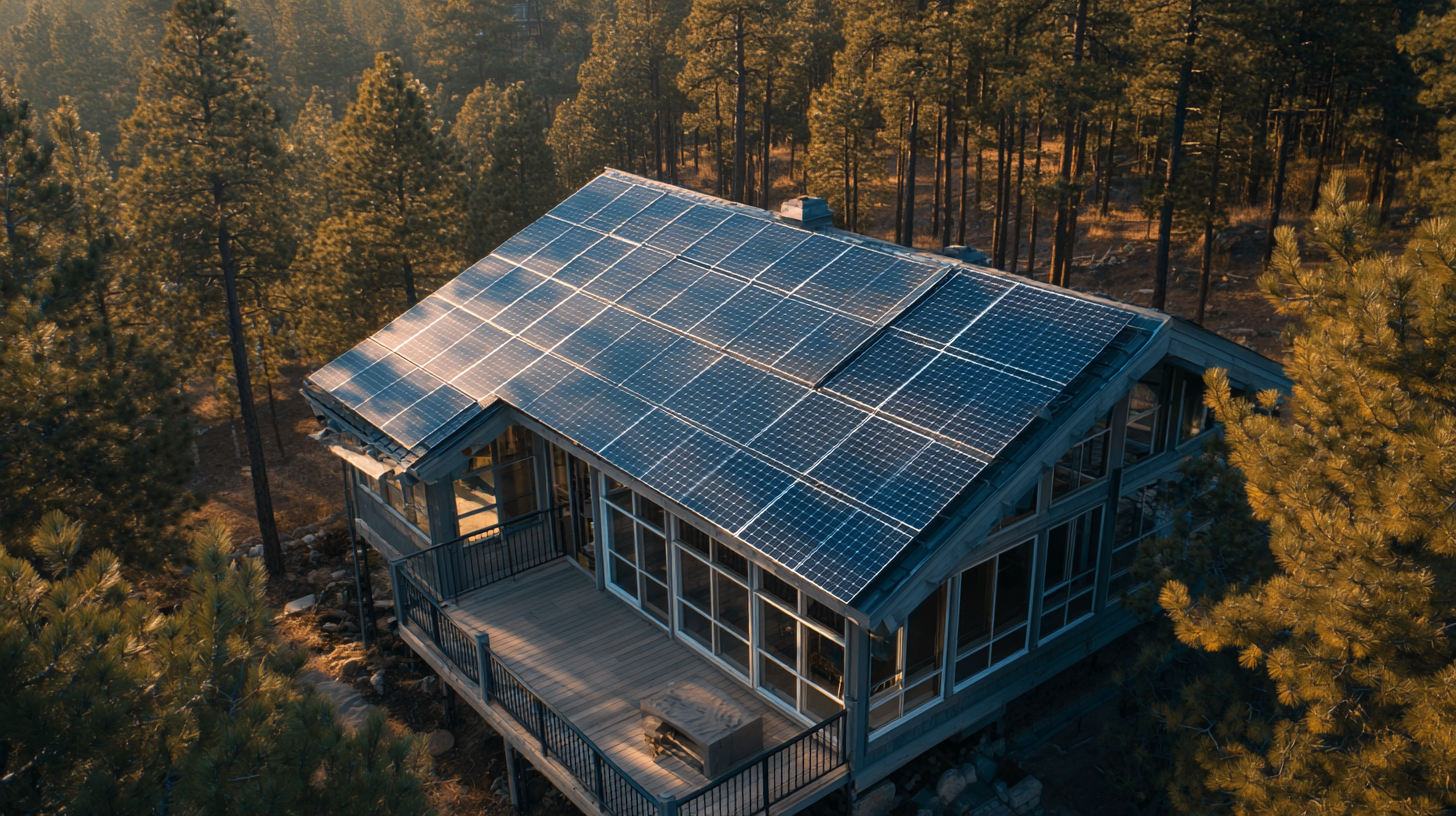
On the other hand, LG's solar panels are celebrated for their durability and aesthetic design, proving to be an excellent option for homeowners concerned about the visual impact of solar installations.
They offer impressive efficiency ratings while also being backed by strong warranties, which underscores their reliability in various weather conditions. Meanwhile, Canadian Solar presents a more budget-friendly alternative
without compromising on performance, providing solid energy production and a good balance of cost and quality. By comparing these brands based on performance metrics and reliability, homeowners can make informed choices that align with their energy needs and financial goals.
Installation Options: Professional vs. DIY Solar Panel Setup
When considering solar panel installation, homeowners often grapple with the decision between hiring professionals or opting for a DIY setup. Professional installations offer the advantage of expertise, ensuring that the system is optimally designed and compliant with local regulations. These specialists often provide warranties and ongoing maintenance options, giving homeowners peace of mind that their investment is protected for years to come. Moreover, professionals have the technical knowledge to troubleshoot any potential issues, making the process smoother and more efficient.
On the other hand, a DIY solar panel installation can be an attractive option for those looking to save money and enjoy a hands-on experience. With a variety of kits available on the market, it’s possible for knowledgeable individuals to successfully install their systems while avoiding the additional labor costs. However, DIY projects require careful planning and a solid understanding of electrical systems to ensure safety and effectiveness. Homeowners considering this route should weigh their technical skills and available time against the potential risks and rewards of handling the installation themselves.
The Ultimate Guide to Choosing the Right Solar Panel Installation for Your Home in 2023
| Installation Option |
Cost (Estimated) |
Time Required |
Skill Level Required |
Long-term Benefits |
| Professional Installation |
$15,000 - $25,000 |
1-3 days |
None |
Warranty, Efficiency |
| DIY Installation |
$5,000 - $10,000 |
3-7 days |
Intermediate |
Lower upfront costs |
| Hybrid Installation |
$10,000 - $20,000 |
2-5 days |
Basic |
Blend of benefits |
Assessing Costs and Financial Benefits of Solar Panel Investments
When considering a solar panel installation for your home, understanding the costs and financial benefits is crucial for making an informed decision. According to a recent report by the National Renewable Energy Laboratory (NREL), the average cost of residential solar panel installation in the U.S. has dropped by over 70% since 2010, now averaging around $3.00 per watt. This steep decline in costs allows homeowners to see a quicker return on investment, with many systems paying for themselves within 5 to 10 years.
Tip: To maximize your financial benefits, consider local and federal tax incentives. The Federal Solar Investment Tax Credit allows homeowners to deduct 26% of the installation costs from their federal taxes. Additionally, many states offer rebates and low-interest financing options that can further decrease initial costs, enhancing the overall value of your investment.
Additionally, solar panel systems can significantly increase your home's value. A study from the Lawrence Berkeley National Laboratory indicated that homes with solar panels sold for an average of $15,000 more than comparable homes without solar. This property value increase, combined with energy savings that can reach $1,000 per year, underscores the long-term financial advantages of investing in solar technology.
Tip: Get multiple quotes from reputable solar installation companies to ensure competitive pricing and quality service, allowing you to make the best financial choice for your solar investment.