Blog
What Is a Solar Energy System and How Does It Work?
A Solar Energy System turns sunlight into usable electricity for homes, businesses, and public facilities. It may look simple from the ground: panels on a roof, cables beneath them, and an inverter near the wall. Yet each part has a specific role. Photovoltaic cells capture sunlight and create direct-current electricity. The inverter changes it into alternating current for ordinary appliances. A meter then records energy moving between the building and the utility grid.
It starts with sunlight.
Dr. Fatih Birol, Executive Director of the International Energy Agency, said, “Solar power is becoming the new king of electricity markets all over the world.” His statement reflects solar energy’s rapid growth, but it should not encourage careless expectations. A Solar Energy System still depends on roof direction, local weather, shading, equipment quality, and proper installation. Batteries can store extra power, although storage adds cost, weight, maintenance, and technical decisions.
This guide will explain how the system works from sunlight to household electricity. It will examine panels, inverters, batteries, monitoring devices, and grid connections. It will also consider practical limits, including cloudy days and gradual equipment performance changes. The explanation may simplify some engineering details. That is a weakness worth acknowledging. Real installations require site assessments, electrical standards, and advice from qualified professionals. A system that performs well in one location may produce disappointing results elsewhere. Understanding those differences helps readers evaluate solar proposals with clearer expectations, not just attractive promises.
What a Solar Energy System Is and What It Includes
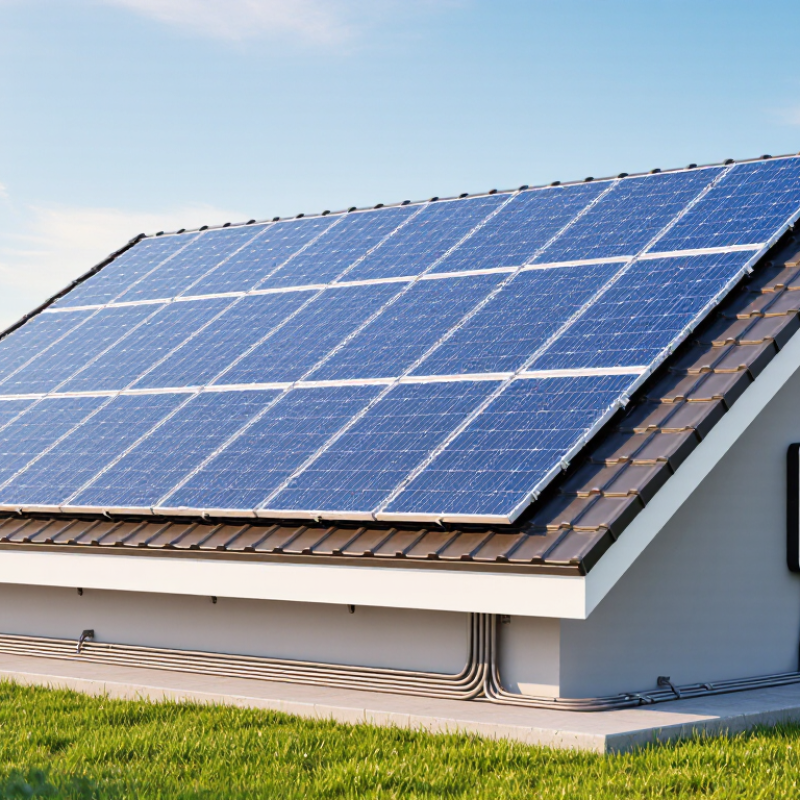
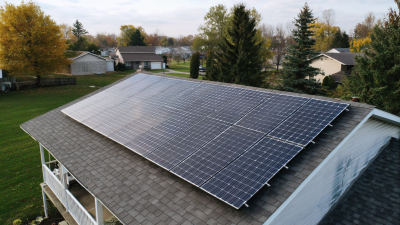
A solar energy system converts sunlight into usable electricity for a home, workshop, or larger building. It is more than a row of panels on a roof. The system usually includes photovoltaic panels, mounting equipment, direct-current wiring, an inverter, protection devices, and an electricity meter. Some systems also include batteries for storing power after sunset.
The panels generate direct current when sunlight reaches their cells. The inverter changes this electricity into alternating current for ordinary appliances. A battery can charge during bright hours and supply energy at night or during an outage. In grid-connected systems, extra electricity may flow to the utility network, depending on local rules and meter arrangements. Off-grid systems need additional controls and enough storage for cloudy periods.
A well-designed system begins with a site assessment. Roof direction, shading from trees, local weather, and structural strength all affect performance. I have seen small shadows reduce output more than homeowners expected, especially during winter mornings. Cable routes should stay protected, dry, and accessible for inspection. Monitoring software can reveal unusual drops in production, but it cannot replace physical checks.
The equipment needs care.
Panels often require little cleaning, yet dust, leaves, and bird deposits can reduce output. Battery systems require extra attention to temperature, ventilation, and manufacturer instructions. Solar power is reliable, but not limitless. Weather changes, aging components, and poor installation can weaken results. A qualified electrician should verify the system before it is connected or expanded.
| System Component | Primary Function | Energy or Data Flow | Typical Characteristics | Key Installation Considerations |
|---|---|---|---|---|
| Solar Photovoltaic Modules | Convert sunlight directly into direct-current electricity through the photovoltaic effect. | Sunlight → DC electricity | Residential modules commonly produce approximately 300–550 watts under standard test conditions. Actual output varies with sunlight, temperature, shading, orientation, and soiling. | Modules should be positioned to receive strong, consistent sunlight. Roof condition, structural capacity, tilt, azimuth, shading, and local weather must be evaluated. |
| Mounting and Racking Structure | Secures the modules to a roof, ground structure, or other approved support system. | Mechanical support; no electrical energy conversion | May be fixed-tilt or adjustable. Materials are commonly selected for corrosion resistance and outdoor durability. | Must be compatible with the roof or ground surface and designed for local wind, snow, seismic, drainage, and corrosion conditions. |
| DC Wiring and Connectors | Transfers electricity from the photovoltaic modules to the power-conversion equipment. | DC electricity from modules → inverter or power electronics | Uses outdoor-rated conductors, connectors, conduit, and insulation suitable for the system voltage and environmental conditions. | Correct polarity, cable sizing, secure connections, weather protection, and code-compliant routing are essential for safety and performance. |
| Solar Inverter | Converts variable direct-current electricity from the modules into alternating-current electricity used by building loads and the electrical grid. | DC electricity → AC electricity | Common systems use string inverters, microinverters, or power optimizers with an inverter. Conversion efficiency is typically above 95% under suitable operating conditions. | Its capacity should be matched to the array and electrical service. Ventilation, temperature, location, maintenance access, and grid requirements affect performance. |
| AC Wiring and Distribution Equipment | Delivers converted electricity to the building’s electrical panel and connected loads. | AC electricity from inverter → distribution panel → appliances and equipment | Includes appropriately rated conductors, breakers, disconnects, and overcurrent protection. | Equipment must be sized for continuous solar output and installed in accordance with applicable electrical codes and inspection requirements. |
| Utility Meter and Interconnection Equipment | Measures electricity imported from and, where permitted, exported to the utility network. | Two-way electricity flow between the building and the grid | Grid-connected systems may send excess generation to the grid and draw electricity when solar production is insufficient. | Interconnection rules, export limits, meter configuration, and compensation for exported electricity depend on local utility regulations. |
| Battery Energy Storage | Stores surplus electricity for later use, backup power, or load shifting. | Excess electricity → battery → electricity for later loads | Important specifications include usable energy capacity in kilowatt-hours, continuous power in kilowatts, round-trip efficiency, depth of discharge, and cycle life. | Requires compatible power-conversion equipment, appropriate ventilation or thermal management, safety clearances, and a defined backup-load strategy. |
| Charge Controller or Battery Power Converter | Regulates charging and discharging between photovoltaic equipment and a battery. | Controlled DC or AC energy flow ↔ battery | May be integrated into a hybrid inverter or installed as separate equipment. Protection includes limits for voltage, current, temperature, and state of charge. | Compatibility with battery chemistry, system voltage, inverter settings, and backup operating modes must be confirmed before installation. |
| Monitoring System | Records energy production, consumption, battery status, system alerts, and performance trends. | System measurements → local display, web portal, or mobile interface | May provide daily, monthly, and lifetime generation data, fault notifications, and estimated avoided grid electricity use. | Monitoring data should be interpreted alongside weather, shading, seasonal sunlight, and equipment operating conditions. |
| Safety and Protection Devices | Reduces electrical and equipment risks during normal operation, faults, maintenance, and emergencies. | Detects, isolates, or limits abnormal current and voltage conditions | Can include disconnects, fuses, circuit breakers, grounding and bonding equipment, surge protection, and rapid-shutdown equipment where required. | Requirements vary by system design and jurisdiction. Installation and commissioning should be completed by qualified professionals. |
| Building Loads | Use the electricity produced by the solar energy system. | AC electricity → lighting, appliances, heating, cooling, pumps, and other equipment | Energy use changes throughout the day and across seasons. High daytime loads can increase direct solar self-consumption. | Efficiency improvements, load scheduling, and appropriate system sizing can reduce electricity purchased from the grid. |
| Operating Sequence | Coordinates generation, conversion, consumption, storage, and grid exchange. | Sunlight → modules → inverter → building loads; surplus → battery or grid | When solar production is lower than demand, electricity may come from a battery or the grid. During a grid outage, standard grid-tied systems generally shut down unless backup functionality is installed. | System behavior depends on inverter settings, battery availability, utility rules, weather, shading, and the building’s electricity demand. |
Related Posts
-
What Are the 2026 Best Power Solar Systems?
-
How to Choose Solar Energy Storage for Your Business?
-

7 Ultimate Benefits of Choosing Power Solar Energy for Your Global Supply Needs
-
How to Navigate Export Certifications for the Best Residential Solar Systems: A Comprehensive Guide
-
Transform Your Home with Clean Energy: The Ultimate Guide to Solar Panel Benefits and Installation
-
Unmatched Quality in Solar Cells: Why Global Buyers Trust Chinese Manufacturing