Blog

Why Choose an Air Breathing Compressor?

Why Choose an air breathing compressor?

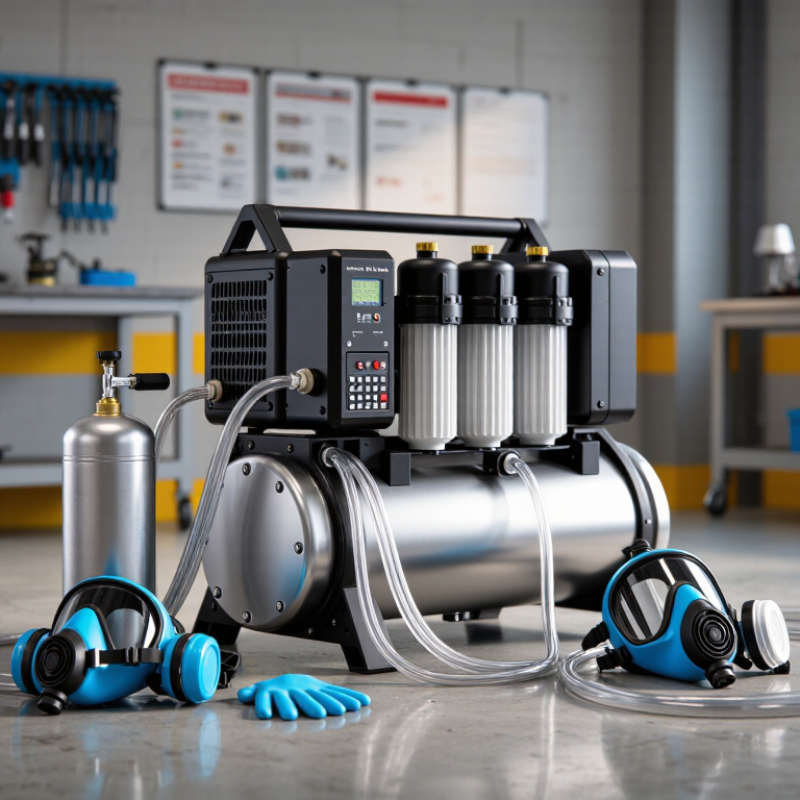
An air breathing compressor supplies breathable air for diving, emergency response, and industrial respiratory systems. Unlike a standard workshop compressor, it must control contamination, moisture, temperature, and pressure. A small oil carryover can become a serious respiratory hazard.

The U.S. Occupational Safety and Health Administration requires supplied breathing air to meet at least Grade D quality under 29 CFR 1910.134. The Compressed Gas Association’s CGA G-7.1 standard adds limits for oxygen, carbon monoxide, carbon dioxide, oil, and odor. These requirements make filtration and monitoring essential, not optional. The U.S. Department of Energy also reports that compressed-air systems can lose 20–30% of generated air through leakage. That figure concerns industrial systems, but it highlights an important lesson: efficiency affects reliability.

Hank van Ormer, a respected compressed-air systems specialist, has often stressed this principle: “Breathing air is a life-support utility, not simply compressed air.” The wording is simple. The responsibility is not. A suitable air breathing compressor should provide stable pressure, certified filtration, dependable cooling, and clear maintenance records. ISO 8573-1 can help assess compressed-air purity, although it does not replace breathing-air regulations. Users still need to verify the complete system, including intake location, filters, cylinders, hoses, and testing intervals. Choosing by price alone may look sensible at first. It may not remain sensible beside a compressor room, a dive boat, or a worker wearing a mask for hours. The technology is dependable, but only when inspection remains disciplined.
Why Choose an Air Breathing Compressor?

What Defines a Breathing-Air Compressor? OSHA Requires 19.5–23.5% Oxygen

Why Choose an Air Breathing Compressor?

A breathing-air compressor supplies clean air for supplied-air respirators, not ordinary workshop tools. Its purpose is protecting the wearer’s lungs during spraying, blasting, coating, or confined-space work.

OSHA requires breathing air to contain 19.5–23.5% oxygen. This range matters. Too little oxygen can cause confusion, weakness, or unconsciousness. Excess oxygen can increase fire risks.

A reliable system also needs controlled carbon monoxide, carbon dioxide, oil mist, and unpleasant odors. Compressor intake placement is critical. An intake near vehicle exhaust can contaminate air before filtration begins.

Technicians should check filters, drains, pressure gauges, and alarms on a documented schedule. A clean gauge can create false confidence. Testing is still necessary, especially after maintenance or unusual compressor noise. The wrong assumption here can be costly.

Tips:

Keep the intake away from engines, solvents, and exhaust outlets. Drain moisture from low points before use. Replace filters according to actual operating conditions, not only calendar dates. Verify oxygen and contaminant levels through qualified air testing. Never ignore an oily smell, warm hose, or sudden pressure change. Small warning signs deserve attention.

How Grade-D Air Limits CO to 10 ppm and CO₂ to 1,000 ppm

Why Choose an Air Breathing Compressor?

How Grade-D Air Limits CO to 10 ppm and CO₂ to 1,000 ppm

Breathing air compressors need more than pressure and flow. They need verified air quality at the user’s face. Under ANSI/CGA G-7.1, Grade-D breathing air limits carbon monoxide to 10 ppm and carbon dioxide to 1,000 ppm. These limits are also referenced by OSHA’s respiratory protection requirements, 29 CFR 1910.134.

CO is especially dangerous because it is colorless and odorless. A poorly maintained compressor can draw exhaust from a nearby vehicle, generator, or boiler. CO₂ creates a different concern. Rising levels may indicate poor ventilation or contaminated intake air. In a workshop, that could mean a blocked intake, hot machinery, or an overlooked exhaust path. Small details matter.

Tips: Test air quality at installation and at scheduled intervals. Check the intake location after layout changes. Replace filters according to measured conditions, not guesswork. Record CO, CO₂, oxygen, and oil mist results. The National Institute for Occupational Safety and Health emphasizes routine evaluation of supplied-air systems, while OSHA requires breathing-air quality testing at least quarterly for certain systems. However, quarterly testing may still be insufficient after repairs or contamination events. Grade D is a baseline, not a guarantee.

Why 2,216–4,500 psi Storage Supports Modern SCBA Systems

Why Choose an Air Breathing Compressor?

Why 2,216–4,500 psi Storage Supports Modern SCBA Systems

Modern SCBA systems rely on compressed air storage at 2,216 or 4,500 psi. These pressures provide practical cylinder capacity without making the equipment unmanageably large. A 4,500 psi cylinder can store more usable air within a similar footprint. That matters when firefighters move through narrow corridors, climb stairs, or carry tools. Every breath counts.

OSHA 29 CFR 1910.134 requires breathing air to meet Grade D specifications under CGA G-7.1. That specification limits carbon monoxide to 20 ppm and carbon dioxide to 1,000 ppm. Oxygen must remain between 19.5% and 23.5%. An air breathing compressor must therefore control filtration, moisture, oil, and temperature carefully. Pressure is only one part of the system. Clean air is the real priority.

NIOSH respiratory protection guidance reminds users that rated service time does not equal guaranteed working time. Heavy exertion increases breathing demand. Cold conditions, poor maintenance, and repeated filling can also affect performance. A cylinder marked for 30 minutes may feel much shorter during intense work. This is where planning can fail. Regular air-quality testing, calibrated gauges, and documented compressor maintenance support safer SCBA readiness. The uncomfortable truth is simple: higher pressure improves capacity, but it cannot correct careless inspection or contaminated breathing air.

How Multi-Stage Filtration Meets CGA G-7.1 Breathing-Air Standards

Why Choose an Air Breathing Compressor?

How Multi-Stage Filtration Meets CGA G-7.1 Breathing-Air Standards

A breathing-air compressor is chosen for controlled, clean air, not simply high pressure. CGA G-7.1 Grade D guidance sets measurable limits for oxygen, carbon monoxide, carbon dioxide, oil mist, and odor. Multi-stage filtration supports these limits by removing different contaminants at different points. An intake filter catches dust. A coalescing stage reduces liquid water and oil aerosols. Activated carbon helps control odors and hydrocarbons. A desiccant stage lowers moisture before air reaches the storage cylinder or respirator.

Filtration alone is not proof of compliance. Compressor temperature, intake location, cartridge age, condensate drainage, and maintenance records matter. Carbon monoxide can enter through a poorly positioned intake or exhaust leak. A carbon monoxide monitor and scheduled laboratory testing provide stronger evidence than appearance. Testing should follow applicable CGA G-7.1 requirements and involve qualified personnel. A filter can look clean and still be exhausted. That detail is easy to miss.

Tips: Check pressure-drop readings, replace elements according to actual service conditions, and sample air after maintenance. Keep intake openings away from engines, solvents, and vehicle traffic. Record test results, alarm checks, and cartridge changes. Do not rely on smell; some harmful contaminants have no warning odor. A simple checklist helps, but review it when equipment or working conditions change.

Why Choose an Air Breathing Compressor? - How Multi-Stage Filtration Meets CGA G-7.1 Breathing-Air Standards

System Element Primary Function Typical Performance or Design Value Contaminant or Risk Addressed Relation to CGA G-7.1
Compressor intake location Draws ambient air from a clean, well-ventilated area. The intake should be positioned away from vehicle exhaust, combustion vents, solvent vapors, storage tanks, and other pollution sources. Carbon monoxide, carbon dioxide, hydrocarbons, and airborne particles. Source-air control is essential because filtration cannot reliably correct every sudden or high-level contaminant event.
Stage 1: Intake particle pre-filter Removes coarse dust and debris before compression and downstream treatment. A commonly used design range is approximately 5–10 micrometres nominal particle filtration, depending on the selected element. Dust, rust, pollen, and larger solid particles. Supports clean-air production but does not by itself establish breathing-air compliance.
Stage 2: Coalescing filter Separates liquid water and oil aerosols from compressed air. Fine coalescing elements are commonly specified around 0.01 micrometre particle ratings, with efficiency and pressure drop dependent on the product and flow rate. Liquid water, compressor oil mist, and fine aerosols. Helps control oil and moisture but cannot remove carbon monoxide or carbon dioxide.
Stage 3: Desiccant or membrane dryer Reduces water vapor and helps prevent condensation in storage vessels and breathing-air lines. The required pressure dew point is selected according to ambient temperature, system pressure, and application conditions. Condensation, corrosion, freezing, and excessive humidity. Moisture control supports hygienic and reliable delivery; the applicable breathing-air specification and operating procedure determine acceptance criteria.
Stage 4: Activated-carbon adsorber Adsorbs oil vapors and many organic vapors that remain after aerosol separation. Performance depends on carbon quantity, contact time, temperature, humidity, contaminant concentration, and timely replacement. Oil vapor, hydrocarbon vapor, and objectionable odors. Supports the CGA G-7.1 requirement for no pronounced odor and the applicable hydrocarbon limit, but requires verification by testing.
Stage 5: Final particulate filter Captures residual particles released by the treatment system or piping. A final filter is commonly selected with a fine rating such as 0.01 micrometre, subject to the manufacturer’s tested efficiency and flow limits. Fine particles, carbon dust, and downstream line debris. Provides the final physical barrier; it does not remove gaseous carbon monoxide or carbon dioxide.
Carbon monoxide monitoring Measures a toxic gas that may enter through intake contamination or compressor-related conditions. CGA G-7.1 Grade D commonly specifies a maximum of 20 ppm carbon monoxide. Carbon monoxide poisoning risk. Continuous or scheduled monitoring is needed because standard particulate and coalescing filters do not remove carbon monoxide.
Carbon dioxide monitoring Confirms that carbon dioxide remains within the breathing-air specification. CGA G-7.1 Grade D commonly specifies a maximum of 1,000 ppm carbon dioxide. Excessive carbon dioxide from contaminated intake air or ventilation problems. Requires source-air management and analytical verification; filtration alone is not a substitute for monitoring.
Oxygen monitoring Verifies that the delivered breathing air contains an appropriate oxygen concentration. CGA G-7.1 Grade D commonly specifies 19.5–23.5% oxygen by volume. Oxygen deficiency or enrichment. Oxygen concentration must be confirmed by an appropriate analyzer; filters do not regulate oxygen content.
Hydrocarbon and odor control Controls compressor oil carryover, hydrocarbon contamination, and noticeable odors. CGA G-7.1 Grade D commonly specifies no pronounced odor and a condensed hydrocarbon limit of 5 mg/m³. Oil contamination, solvent vapors, and unpleasant or potentially harmful odors. Requires suitable filtration, clean intake air, maintenance, and periodic laboratory or field testing.
Maintenance and validation Preserves filtration capacity and confirms that air quality remains within specification. Replace elements according to differential pressure, service life, operating hours, contamination load, and test results rather than time alone. Filter breakthrough, saturated carbon, pressure drop, leaks, and contaminated storage vessels. Compliance is demonstrated through documented inspection, maintenance, monitoring, and breathing-air analysis.
Important: The performance values shown are commonly referenced design or specification values, not a guarantee for every compressor or filter configuration. Actual compliance with CGA G-7.1 depends on intake-air quality, compressor design, filtration equipment, flow rate, maintenance, monitoring, and documented breathing-air testing.

Why Certified Air Testing Reduces Contamination and Respiratory Risk

Why Choose an Air Breathing Compressor?

A breathing-air compressor must deliver more than pressure. It must deliver air that workers can safely inhale. Contamination may enter through intake fumes, compressor oil, moisture, worn seals, or poorly maintained filters. A clear hose proves nothing.

OSHA’s respiratory protection standard, 29 CFR 1910.134, requires breathing air to meet Grade D specifications. These include oxygen between 19.5% and 23.5%, carbon monoxide below 20 ppm, and carbon dioxide below 1,000 ppm. Hydrocarbon levels must remain below 5 mg/m³. Certified air testing checks these invisible hazards instead of trusting appearance or smell.

Technicians should sample air at the breathing connection, not only near the compressor. They should record pressure, temperature, filter changes, and unusual odors. ISO 8573-1:2010 separates compressed-air contamination into particles, water, and oil, helping laboratories select suitable tests. NIOSH also identifies carbon monoxide as a serious workplace hazard because it can impair oxygen delivery without obvious warning signs.

Testing intervals deserve honest review. A schedule that worked last year may fail after a new intake location, hot operating conditions, or delayed maintenance. Small oversights matter. Results should come from an accredited laboratory, with traceable methods and documented corrective actions. An air breathing compressor is only as reliable as its last verified sample.

Article Source: