Blog

How to Choose Renewable Solar Panels in 2026?

Choosing solar panels in 2026 requires more than comparing wattage and showroom prices. The right decision depends on your roof, climate, electricity use, budget, and installation quality. Renewable Solar technology is improving quickly, but not every panel suits every building. A high-efficiency module may perform well on a small roof. It may also cost more and provide limited value on a large, shaded roof.

Fatih Birol, Executive Director of the International Energy Agency, described solar power clearly: “Solar is the new king of electricity markets.” His statement reflects a major shift in global energy investment. Yet popularity should not replace careful evaluation. Buyers should examine power output, temperature performance, degradation rates, warranties, recyclability, and the manufacturer’s financial stability. Look closely at the product label. Check the installer’s certifications. Ask how the system will perform during cloudy winter weeks.

Real homes reveal details that brochures often hide. A south-facing roof may still lose production because of nearby trees or chimney shadows. Dust, snow, and heat can also reduce annual output. Battery compatibility matters if evening electricity use is high. Local grid rules and available incentives may change the final cost. Some estimates appear attractive because they ignore maintenance or future inverter replacement.

There is no perfect panel. The cheapest option can become expensive after poor installation. The most efficient option can also exceed a realistic household budget. This guide examines practical selection methods for 2026, using technical evidence and everyday considerations. It also questions common assumptions, because a confident sales pitch is not the same as dependable Renewable Solar advice.
How to Choose Renewable Solar Panels in 2026?

Understanding Solar Panel Types and Their 2026 Applications

How to Choose Renewable Solar Panels in 2026?

Solar panel types now serve different spaces and energy needs.

Monocrystalline panels deliver high efficiency in compact areas. They suit city rooftops, balconies, and homes with limited roof space.

Polycrystalline panels usually cost less, but require more surface area. Their value depends on local sunlight and installation costs.

Thin-film panels are lighter and more flexible. They can work on curved roofs, façades, and portable structures. Their efficiency is often lower, so shading and available space matter greatly.

Bifacial panels collect light from both sides. They perform well above bright surfaces, such as white roofs or pale gravel. However, they need careful spacing and mounting. A crowded installation may reduce their advantage.

In 2026, building-integrated photovoltaics can replace parts of glass façades or roof materials. Agrivoltaic systems place panels above crops, combining electricity with farming.

For a reliable choice, compare temperature performance, degradation rates, fire testing, and independent certification. Check how the panel performs during cloudy mornings, not only under perfect sunlight.

Peak wattage sounds impressive, but it can mislead. A slightly less powerful panel may produce more useful energy in heat or shade.

Local installers can model roof angles, seasonal shadows, and battery needs.

Ask for written assumptions. They may be incomplete.

Assessing Energy Needs, Roof Conditions, and Local Sunlight

How to Choose Renewable Solar Panels in 2026?

Choosing solar panels in 2026 should begin with your household’s actual electricity pattern, not a catalog rating. Review twelve months of utility bills and note winter heating, summer cooling, and evening demand. A smart meter can reveal when power is used. I once underestimated evening consumption because daytime totals looked reassuring. That mistake can lead to undersized storage or disappointing savings. Estimate future loads too, including an electric vehicle or heat pump.

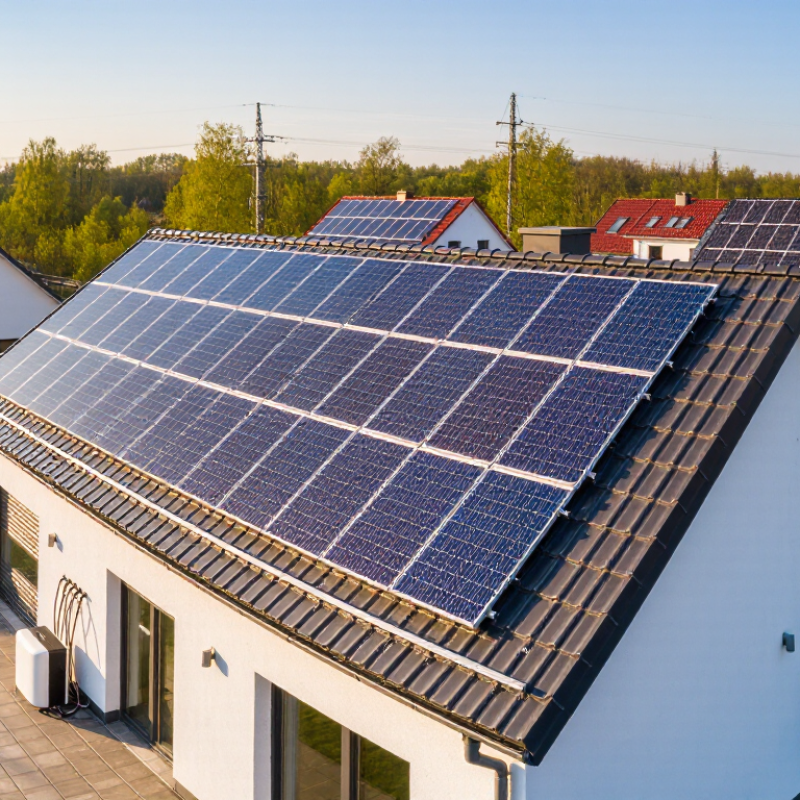
Roof conditions matter as much as panel efficiency. Check usable area, structural strength, age, pitch, and shading from chimneys or nearby trees. A south-facing roof is helpful, but east- and west-facing sections may still produce useful energy. Ask a qualified installer to inspect flashing, ventilation, and mounting points before installation. Replacing an aging roof afterward may require removing the array, adding cost and disruption. I would not trust a quick satellite estimate alone.

Local sunlight should be measured across seasons, not judged by one bright afternoon. Compare solar maps with on-site shade observations at 9 a.m., noon, and 3 p.m. Snow, dust, coastal haze, and cloudy winters can reduce real-world output. Request a production estimate that states assumptions, losses, and expected yearly variation. Reliable advice includes electrical design, fire-safety requirements, warranties, and maintenance access. Ask for assumptions in writing. Even careful forecasts remain estimates, so leave practical room for lower production.

How to Choose Renewable Solar Panels in 2026?

Local sunlight is a key factor when comparing solar panels. The chart shows representative long-term average peak sun hours for several U.S. locations, rounded from public solar-resource data. Higher values generally indicate greater annual electricity production from the same installed capacity.

Selection tip: Combine local sunlight data with your annual electricity use, roof orientation, shading, available roof area, and roof age before choosing a system size.

Comparing Efficiency, Durability, Warranties, and Performance

Choosing renewable solar panels in 2026 requires more than comparing the highest efficiency number. Efficiency shows how much electricity a panel produces from available sunlight, but roof space matters more in some homes. A compact roof may justify a higher-rated panel. A large, shaded roof may benefit more from reliable low-light performance. Ask for tested output data, not only laboratory ratings. Small print matters.

Durability deserves a close inspection. Look for resistance to heavy rain, hail, temperature changes, and strong wind. A panel facing daily heat can expand and contract for decades. That stress may affect connections and performance. Check the product’s degradation rate and certification records from independent testing bodies. A long warranty sounds reassuring, but coverage terms can be narrow. Read whether labor, removal, shipping, and replacement costs are included.

Performance should be judged across seasons, not one sunny afternoon. Request estimates for winter production, partial shade, and high temperatures. Compare the expected annual yield with your household’s actual electricity use. I would also inspect the installer’s workmanship policy, because poor mounting can weaken even a durable panel. One imperfect assumption can distort the whole decision. For example, a panel’s peak rating may look impressive while its real output falls sharply on a hot roof. Keep copies of test reports, warranty terms, and installation records before signing.

How to Choose Renewable Solar Panels in 2026? - Comparing Efficiency, Durability, Warranties, and Performance

Panel Technology Typical Module Efficiency Temperature Coefficient Expected Annual Degradation Typical Product Warranty Typical Power Warranty Durability and Environmental Resistance Performance Strengths Best-Fit Applications Overall Value Rating
Monocrystalline PERC Silicon 20%–22% Approximately −0.35% to −0.40% per °C About 0.40%–0.55% per year Typically 12–15 years Typically 25–30 years, with approximately 80%–87% retained output at the end of the term Strong mechanical durability; suitable for most residential and commercial climates when correctly installed Well-established technology, broad availability, good performance in limited roof space, and competitive cost Homes, small businesses, and projects seeking a balance between upfront cost and energy yield ★★★★☆
N-Type TOPCon Silicon 21%–23.5% Approximately −0.29% to −0.32% per °C About 0.30%–0.40% per year Typically 12–20 years Typically 25–30 years, with approximately 87%–89% retained output at the end of the term Good resistance to light-induced degradation and strong long-term reliability; installation quality remains important in snow, wind, and hail regions Higher efficiency and better hot-weather performance than many conventional P-type modules Rooftops with limited area, warm climates, and buyers prioritizing long-term energy production ★★★★★
Heterojunction Silicon (HJT) 21.5%–24% Approximately −0.24% to −0.30% per °C About 0.25%–0.35% per year Typically 15–25 years Typically 30 years, with approximately 88%–90% retained output at the end of the term Excellent temperature behavior and low degradation; verify local availability, installer experience, and mechanical-load ratings High energy yield, especially in hot conditions, with strong low-light response and long-term stability Premium residential, commercial, and utility projects where lifetime output is more important than lowest purchase price ★★★★★
Bifacial N-Type Silicon 20.5%–23.5% front-side efficiency Approximately −0.29% to −0.35% per °C About 0.30%–0.45% per year Typically 12–20 years Typically 25–30 years, commonly with approximately 87%–89% retained output at the end of the term Durability depends on glass construction, frame design, mounting height, and site conditions; rear-side shading should be minimized Can generate additional electricity from reflected rear-side light; output gain is highly site-dependent Ground mounts, carports, rooftops with reflective surfaces, and elevated systems with good rear-side light exposure ★★★★☆
Thin-Film Cadmium Telluride (CdTe) Approximately 18%–20% Approximately −0.20% to −0.30% per °C About 0.30%–0.50% per year Typically 10–15 years Typically 25–30 years, depending on the module design and contract terms Good hot-climate behavior and uniform appearance; generally requires more installation area for the same system capacity Lower temperature losses and good performance under diffuse light; often suited to large-scale installations Utility-scale solar farms and sites with ample land where heat performance is important ★★★★☆
Flexible Thin-Film Modules Approximately 10%–16% Varies by material and product design About 0.50%–1.00% per year Typically 2–10 years Typically 10–25 years Lightweight and adaptable to curved or weight-sensitive surfaces, but may have lower mechanical strength and a shorter service life Low structural load, simple transport, and suitability for mobile or specialty applications Recreational vehicles, lightweight structures, temporary systems, and surfaces unsuitable for rigid glass modules ★★★☆☆

Notes: Values are representative 2026 market ranges for commercially available modules and are not guarantees for every product. Module efficiency describes the percentage of sunlight converted into electricity under standard test conditions. A temperature coefficient closer to zero generally indicates better output retention in hot weather. Actual energy production also depends on orientation, shading, soiling, snow, inverter efficiency, ventilation, system design, and local climate. Always review the complete product and performance warranty, exclusions, degradation schedule, hail rating, wind and snow-load ratings, and installer workmanship coverage before purchasing.

Evaluating Costs, Incentives, Installation, and Long-Term Savings

Choosing renewable solar panels in 2026 requires more than comparing efficiency percentages. Start with your electricity bills, roof direction, shade, and available installation space. A professional site assessment should measure these details, not rely on online estimates. Berkeley Lab’s Tracking the Sun 2024 report recorded a median residential installation price of about $3.10 per watt in 2023, before incentives. Local labor and permitting can change that figure significantly.

Incentives may reduce upfront costs, but eligibility, deadlines, and tax rules vary by location. Confirm details through official government sources before signing a contract. The International Energy Agency reports that solar remains one of the lowest-cost new electricity sources in many markets. Still, household savings depend on tariffs, self-consumption, battery use, and export payments. A low-priced system is not automatically the best investment.

Installation quality matters. Ask for written details on roof penetrations, wiring, monitoring, maintenance, and expected annual production. NREL’s PVWatts tool can provide a useful production estimate, but weather and shading create uncertainty. Panels also lose output gradually; a commonly used planning assumption is around 0.5% degradation each year. I would treat every savings forecast as an estimate, not a promise. My own spreadsheet may look precise, yet one overlooked tree can distort the result for decades. Check the payback period under conservative electricity prices, not only optimistic projections.

Selecting Certified Panels from Reliable Manufacturers and Installers

In 2026, choosing solar panels should begin with certification, not glossy efficiency claims. Look for current safety and performance certificates from recognized testing bodies. Confirm that each certificate matches the exact model and production version. A serial number, technical datasheet, and published degradation rate should be available. Ask about testing dates. Standards change. An old document may look official, yet cover fewer requirements. Good question: who can verify it?

A reliable manufacturer provides traceable production records, clear warranty terms, and accessible technical support. Check whether the warranty explains labor, replacement shipping, and performance measurements. A long warranty means little when the company cannot be contacted. I would also compare temperature performance, not only the headline efficiency figure. Panels installed on a hot roof can produce less than showroom estimates suggest.

The installer matters just as much. Request proof of licensing, insurance, training, and completed local projects. A careful team should inspect roof age, drainage, shading, cable routes, and wind exposure before quoting. Ask for a production estimate based on local weather data. It should show assumptions, not just an impressive annual number. No prediction is perfect. I once saw a design weakened by one overlooked chimney shadow. An independent inspection may cost extra, but it can reveal loose mounts, poor sealing, or unsafe wiring before these faults become expensive.