Blog
- Home
- Blog
How to Choose the Best Residential Solar Panels?
Choosing Residential Solar Panels is less about finding a single “best” brand and more about matching equipment to your roof, energy use, and budget. The details matter. A shaded chimney can reduce output; a panel’s warranty cannot fix a poor installation. Lawrence Berkeley National Laboratory’s Tracking the Sun 2024 report examined millions of U.S. rooftop solar systems and documented wide variation in prices, designs, and installer practices. That evidence is a useful reminder: compare complete system proposals, not panel names alone.
The International Energy Agency has reported that solar PV has become the cheapest source of new electricity generation in many regions. IEA Executive Director Fatih Birol has described solar as “the cheapest electricity in history.” That broad claim is encouraging, but household results still depend on local sunlight, utility rates, financing, and equipment performance. A lower price per watt may look attractive. It may not mean better long-term value. Check panel efficiency, temperature performance, product and performance warranties, inverter compatibility, and the installer’s track record. Ask for estimated annual production and the assumptions behind it. Then compare those estimates with your recent utility bills. No projection is perfect. Even a careful review can miss a future roof repair or tariff change. The aim is not to predict every variable; it is to choose a system whose trade-offs you understand before signing.
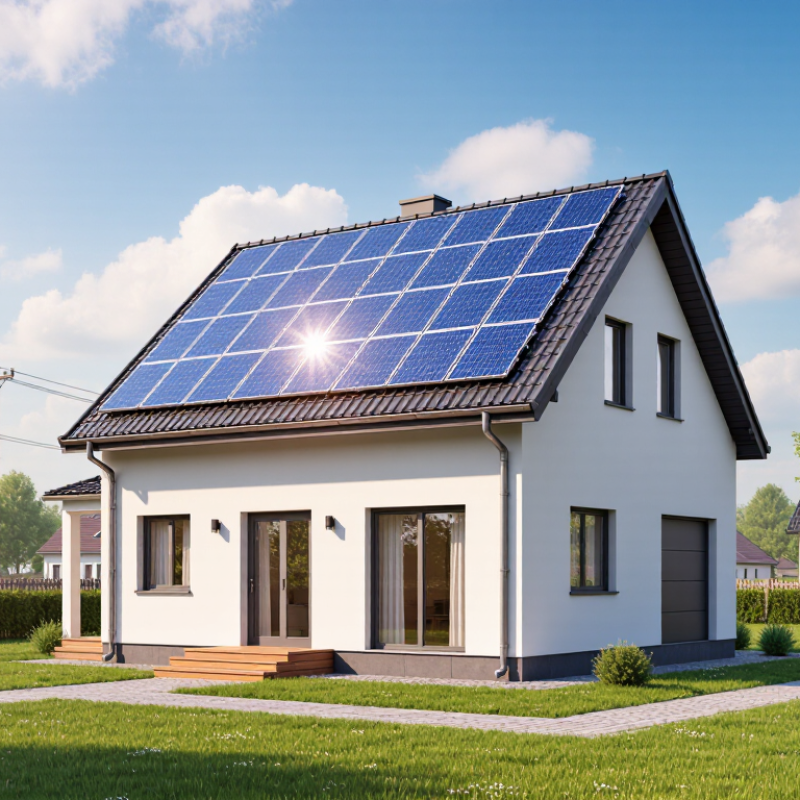
Assess Your Household’s Energy Needs and Solar Goals
How to Choose the Best Residential Solar Panels?
Assess Your Household’s Energy Needs and Solar Goals
Before comparing panels, review 12 months of electricity bills. Note monthly kilowatt-hours, not just the dollar total, since rates can change. Look for seasonal peaks: air conditioning in July, electric heating in winter, or a well pump that runs daily. If you expect an electric vehicle or heat pump, include its likely use. Estimates are imperfect, so write down your assumptions.
Tips: Check your roof’s usable area, direction, pitch, and shade at different times of day. A chimney shadow at 3 p.m. can matter. Ask for a site-specific production estimate based on local weather and roof conditions, then compare it with your actual usage. Don’t size a system from one unusually high bill.
Decide what “best” means for your home. Lowering daytime bills, covering more annual consumption, or keeping essential circuits running during outages can require different designs. A battery can provide backup, but it adds cost and does not make a system grid-independent. Ask how estimates account for system losses, seasonal production, and future loads. Have a qualified solar professional inspect the roof and electrical panel. Keep the proposal and its assumptions; revisit them if your plans change.
Check Roof Suitability, Sunlight, and Local Climate
Before comparing residential solar panels, look closely at the roof itself. A sound roof with enough usable space can make installation simpler, while cracked tiles or aging shingles may need attention first. Note the roof’s pitch, direction, and any vents or skylights that break up the open area. Small details matter. A qualified installer can assess structural capacity and flag repairs, but an online estimate cannot inspect a hidden leak.
Sunlight changes through the day and across the seasons. Watch where nearby trees, chimneys, or neighboring buildings cast shadows, especially in the morning and late afternoon. A bright roof at noon may still lose useful production to afternoon shade. Track the shadows. Your region’s climate also affects panel performance: heat can reduce output, while snow may cover panels temporarily. Wind, hail, and heavy rain are worth discussing when reviewing equipment specifications and installation methods.
Ask for an estimate based on your roof’s actual orientation, shading, and local weather records, not just average sunshine. Compare projected annual production with your household’s electricity use. Keep recent utility bills handy. The estimate will still be imperfect; future tree growth, unusual storms, and changing energy habits are hard to predict. I’d revisit the assumptions before deciding, particularly if the roof may need replacement soon.
How to Choose the Best Residential Solar Panels
Check roof suitability, sunlight, and local climate before choosing a system.
Approximate planning benchmarks for an unshaded roof in the Northern Hemisphere, with a south-facing roof set to 100%. East- and west-facing roofs can still be suitable; actual output varies with roof pitch, latitude, shading, weather, and local climate. Check your roof condition and site-specific sunlight before making a decision.
Compare Panel Efficiency, Output, and Degradation Rates
Residential solar panels should be compared by efficiency, expected output, and long-term decline—not efficiency alone. Fraunhofer ISE’s Photovoltaics Report (2024) places many commercial crystalline-silicon modules in the low-20% efficiency range. Higher efficiency can help when roof space is tight. But it does not guarantee more annual electricity. Numbers need context.
Ask installers to model annual kilowatt-hour output using your roof’s orientation, shading, and local weather. NREL’s PVWatts calculator estimates production from these site conditions, making it more useful than comparing panel wattage alone. For example, a shaded roof section may produce less than a sunnier, well-oriented area with lower-efficiency panels. Request the assumptions behind each estimate. They are not a promise.
Degradation affects output over time. A 201 degradation-rate review by NREL researchers found a median rate near 0.5% per year across reviewed systems. At that rate, output would fall by roughly 10% over 20 years, though individual systems differ. Check the product’s warranted degradation limit and the year-by-year schedule, not just its first-year figure. I would also compare the estimate with your actual roof conditions; models can miss small patches of shade or seasonal changes. That detail matters.
Evaluate Costs, Incentives, Warranties, and Long-Term Value
How to Choose the Best Residential Solar Panels?
Compare the full installed cost, not just the price of the panels. Ask for a written breakdown covering equipment, labor, permits, and any electrical upgrades. A quote for a 6-kilowatt system may look cheaper, yet include fewer services or different equipment. That matters. Compare systems of similar size and expected output, then check how much electricity your household uses during daylight hours.
Incentives can reduce upfront costs, but eligibility and amounts vary by location and may change over time. Verify current details with official government or utility sources before counting them in your budget. Also compare financing terms: interest, fees, and payment schedules can shift the real cost considerably. A low monthly payment is not always a low total cost. It is easy to overlook that.
Read product, performance, and workmanship warranties separately. They cover different risks, and a performance promise does not necessarily mean your panels will produce the same amount every year. Ask who handles service if a component fails, and whether labor is included. Long-term value also depends on roof condition, inverter replacement, local electricity rates, and how your utility credits excess power. A spreadsheet helps, though its estimates are still estimates. Leave room for uncertainty.
Select a Qualified Installer and Review the Final System Design
A qualified installer should inspect your roof, electrical panel, and site conditions before proposing equipment. Ask who will complete the work, and verify relevant licenses, insurance, and training credentials with the issuing organizations. Request recent local references. A polished proposal is not proof of careful workmanship.
Review the final design, not just the panel count. It should show roof layouts, panel orientation, shading assumptions, inverter sizing, wiring routes, and expected annual production. Ask how the estimate accounts for nearby trees and seasonal shade. Small details matter. If the design assumes a clear roof but a chimney casts an afternoon shadow, the forecast may be optimistic.
Use independent benchmarks to question unusually high or low quotes. NREL’s Q1 2023 U.S. cost benchmark modeled residential solar at about $2.90 per watt of direct-current capacity. That is a reference point, not a guaranteed local price. Compare the assumptions behind each quote, including system size and included electrical work. Ask the installer to explain projected output and any stated performance losses in plain language. I would still want the roof measurements checked twice; design documents can miss awkward corners.
Related Posts
-
What is the Best Solar Panel for Your Home Energy Needs According to Industry Reports
-
Transform Your Home with Clean Energy: The Ultimate Guide to Solar Panel Benefits and Installation
-
Harnessing Power Solar Energy for Sustainable Future Solutions with Recent Advances in Efficiency and Storage Technologies
-

Top 10 Solar Panel Benefits You Must Know for Energy Savings and Sustainability
-
China Top Residential Solar Panels for Global Buyers?
-
What Are Power Solar Panels and How Do They Work?