Blog
- Home
- Blog
Why Are Power Solar Panels a Smart Investment?
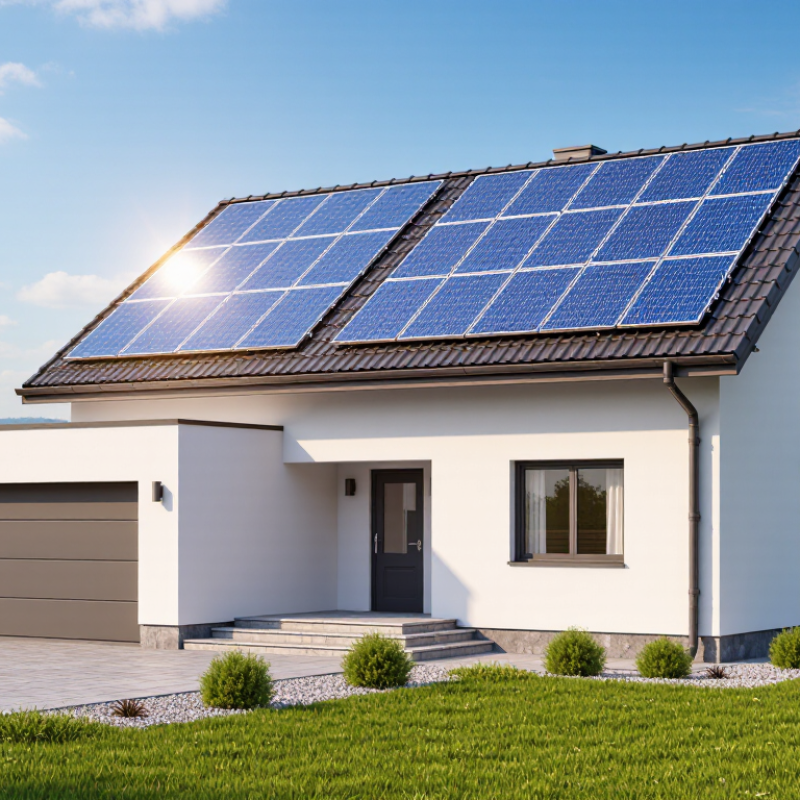
Power Solar Panels can turn a sunlit roof into a practical source of household electricity. For many homeowners, the appeal is easy to picture: panels above the garage, a quieter utility bill, and less dependence on grid power during sunny hours. The decision, however, deserves more than an attractive estimate. System performance depends on local sunlight, roof direction, shading, equipment quality, and how much electricity a household uses.
The investment may offer long-term value, but savings are not automatic. Installation costs, financing terms, maintenance, utility rates, and available incentives all affect the outcome. A reputable installer should explain system design, expected production, warranties, and assumptions in writing. Ask how trees, roof repairs, or future changes in electricity use could alter the forecast. Details matter.
There is no perfect fit for every home. A shaded roof or a short ownership horizon may weaken the financial case, and battery storage can add substantial cost. Even a careful estimate is still an estimate. Reviewing recent utility bills and comparing multiple qualified proposals can help homeowners judge whether solar suits their property and budget. This guide explores the practical benefits, costs, and trade-offs behind the question: why are Power Solar Panels a smart investment? It also considers where the case may be less compelling, because a useful decision begins with realistic expectations—not promises.
What Power Solar Panels Are and How They Generate Electricity
Power solar panels are photovoltaic modules that convert sunlight into electricity. Their surface contains many solar cells, usually made from silicon. When sunlight reaches a cell, tiny particles of light transfer energy to electrons in the material. This movement creates an electrical current. It is a quiet process, with no moving parts inside the panel.
The electricity produced by a panel is direct current, or DC. Most household appliances use alternating current, or AC, so an inverter changes the electricity into a usable form. Cables carry it from the panels to the inverter and then into a home’s electrical system. A meter can track electricity flowing in both directions. Some systems also include a battery to store extra power for later.
The basic explanation is clear, but real output varies. Clouds, dust, shade, panel direction, and seasonal daylight all affect how much electricity a system generates. Even a narrow shadow from a nearby branch can reduce output. Panel ratings describe performance under set test conditions, not a guaranteed daily yield. That distinction matters when estimating energy needs. A small rooftop system may produce less on a winter afternoon than its rating suggests, and checking actual site conditions can be less straightforward than expected.
Key Components That Shape Panel Performance
Why Are Power Solar Panels a Smart Investment?
Key Components That Shape Panel Performance
A panel’s solar cells do the main work, converting sunlight into direct-current electricity. Cell type affects efficiency, temperature response, and how much power fits on a roof. Check the rated output, but read the temperature coefficient too. On a hot afternoon, output usually falls below the laboratory rating. Small details matter.
The glass protects the cells from weather and impact, while encapsulant layers help keep moisture out. A sound frame supports the panel under wind and snow loads. Inspect corners and seals for damage, especially after transport or installation. The junction box and cables also deserve attention; loose connections can create avoidable losses. Not always obvious.
Shading from a chimney, branch, or nearby building can reduce production, even when most of a panel sits in full sun. Panel layout and the system’s electrical design influence how much shading affects the whole array. An inverter is not part of the panel itself, but it converts the panel’s output into usable household power. Compare product specifications with the roof’s orientation, local climate, and expected shade. Estimates are useful, though real production can differ with dust, heat, and seasonal daylight. A little uncertainty belongs in any careful forecast.
Upfront Costs, Installation, and Available Incentives
Solar panels can lower electricity bills, but the purchase price is only part of the investment. A detailed quote should separate panels, inverter, mounting hardware, labor, and any electrical work. Roof repairs or an older service panel can add unexpected costs. Ask what the estimate excludes. That matters.
Installation usually begins with a site assessment. The installer checks roof direction, shade, structure, and available electrical capacity. A tall tree may shade one corner each afternoon, reducing output more than a sales estimate suggests. Request an explanation of the assumptions behind projected energy production. Estimates are not guarantees.
Incentives can reduce the net cost, but their value depends on location, eligibility, and current program rules. Check official government or utility information before including a rebate or tax benefit in your budget. Some incentives arrive after installation, so you may need to cover the full upfront amount first. Financing can spread payments, though interest and fees affect the savings. Compare the total paid over time, not just the monthly figure. It is easy to overlook this. A careful comparison of quotes, warranties, installation timelines, and incentive conditions can reveal which proposal fits your home and finances.
Long-Term Savings and Environmental Benefits
Why Are Power Solar Panels a Smart Investment?
Long-Term Savings and Environmental Benefits
Power solar panels can turn a sunlit roof into a steady source of household electricity. A 2012 NREL review of nearly 2,000 photovoltaic degradation rates found a median decline of about 0.5% per year. That is gradual, not zero. A well-sited system can produce useful power for decades and reduce electricity purchases. Actual savings depend on roof shade, system cost, local utility rates, and daytime energy use. A shaded roof can stretch the payback period.
The environmental benefit is measurable across a panel’s life cycle. The IPCC reports median life-cycle emissions of about 48 grams of CO2-equivalent per kilowatt-hour for solar PV, compared with roughly 820 grams for coal. These figures include manufacturing and other stages, not just panel operation. Still, solar is not impact-free: materials, transport, and eventual replacement matter. The climate benefit also varies with local sunlight and the electricity source being displaced.
Tip: Ask for a site-specific production estimate. Check roof shade, expected maintenance, utility rates, and the assumptions behind the quoted payback period.
Why Are Solar Panels a Smart Investment?
Solar power can reduce household electricity bills, while its lifecycle greenhouse gas emissions are substantially lower than those of fossil-fuel electricity. Actual savings depend on installation costs, local electricity rates, sunlight, and available incentives.
Lifecycle emissions are measured in grams of CO₂-equivalent per kilowatt-hour. Values are median estimates; actual emissions vary by technology and location.
Source: IPCC Fifth Assessment Report, Working Group III, Annex III, Table A.III.2.
Factors to Consider Before Investing in Solar Panels
Solar panels can be a smart investment, but the numbers depend on your home and electricity use. Review twelve months of utility bills, not just one summer statement. A household using most power after sunset may need battery storage, which raises upfront costs. Check local electricity rates and available incentives; both can change. Ask for a written estimate that separates equipment, labor, permits, and optional storage.
Roof condition matters. A roof due for replacement may be cheaper to repair before panels go up. Nearby trees, chimneys, and buildings can cast shade across panels and reduce output. Ask how the installer modeled shading, seasonal production, and panel degradation. Compare proposals, warranty coverage, and expected maintenance. Payback figures are projections, not promises. I would question estimates that ignore future rate changes or assume every sunny hour becomes useful electricity. Real homes are messier.
Tips: Take photos of roof shade in the morning, at noon, and late afternoon. Confirm your utility’s rules for exported power, then compare estimated annual production with your actual usage. Keep some room in the budget for unexpected work.
| Investment factor | Typical benchmark or consideration | Why it matters | What to check before investing |
|---|---|---|---|
| Upfront system cost | In the United States, residential installation prices can vary substantially; roughly $2.5–$4.0 per watt before incentives is a broad planning range, not a quote. | The installed price is a major factor in how long it takes for bill savings to offset the investment. | Compare itemized quotes for the same system size, equipment scope, installation work, and warranties. Local prices and permitting costs differ. |
| Electricity use and bill savings | Savings depend on how much of the solar electricity is used on-site and how the utility credits exported electricity. | A system can produce substantial power yet deliver lower savings if exports receive limited compensation. | Review recent bills, time-of-use rates, fixed charges, export-credit rules, and any proposed changes to utility tariffs. |
| Roof orientation and shading | Annual production varies with location, roof direction, tilt, weather, and shade. In the Northern Hemisphere, south-facing roofs often receive strong annual sunlight, but other orientations can also work. | Shading from trees or nearby buildings can reduce output, sometimes disproportionately depending on system design. | Request a site-specific production estimate that accounts for shade, roof planes, local weather, and expected system losses. |
| Payback period | Payback is highly location- and tariff-dependent; estimates of roughly 6–12 years are sometimes used for planning, but actual results can fall outside this range. | A shorter payback generally leaves more years of potential net savings during the system’s useful life. | Check the assumptions for electricity-price increases, system output, maintenance, financing, incentives, and utility export credits. |
| Panel efficiency and system size | Many current residential modules have efficiency ratings around 19–23%; available models and ratings vary. | Higher efficiency can provide more rated power in limited roof space, but efficiency alone does not determine total value. | Compare total installed cost, expected annual generation, usable roof area, and equipment specifications—not just the efficiency percentage. |
| Panel degradation and service life | A commonly used planning assumption for crystalline-silicon panels is about 0.3–0.8% output degradation per year. Many panels carry performance warranties of around 25 years. | Solar output generally declines gradually; a performance warranty specifies a guaranteed output level, not that a panel will stop working when the warranty ends. | Read both product and performance warranty terms, including exclusions, claim procedures, and installer coverage. |
| Inverter and maintenance | Inverters and other system components have their own service lives and warranty terms, which may differ from panel warranties. | A future repair or replacement can affect lifetime savings and system availability. | Confirm component warranties, monitoring access, service responsibilities, and likely costs not included in the installation quote. |
| Battery storage | A battery adds cost and can store some solar electricity for later use; usable capacity, power rating, efficiency, and warranty vary by system. | Storage may improve backup capability or increase self-consumption, but it does not automatically improve financial payback. | Compare the battery’s installed cost and usable capacity with outage needs, local rates, export rules, and warranty limits. |
| Roof condition and ownership | Solar panels are commonly expected to operate for decades, so roof condition and the homeowner’s plans matter. | Replacing a roof after installation may require removing and reinstalling the array, adding expense. | Assess roof age and repair needs first. If selling, understand how system ownership or a financing agreement transfers. |
| Financing and incentives | Loan terms, fees, interest rates, and available incentives vary by location and can change over time. | Financing costs or eligibility rules can materially change the net investment and payback calculation. | Verify current incentives with official government sources and compare the total repayment cost—not only the monthly payment. |
| Note: Figures are general planning benchmarks, not guarantees. Actual costs, energy production, savings, warranties, and payback depend on location, system design, utility rules, and contract terms. For a location-specific estimate, use a recognized solar production tool such as the U.S. National Renewable Energy Laboratory’s PVWatts calculator and compare it with local utility rates. | |||
Related Posts
-
How to Choose the Right Solar Panel for Your Needs?
-
How to Choose the Best PV Solar Panels?
-
Exploring Diverse Alternatives to Power Solar Panels for Sustainable Energy Solutions
-
Transform Your Home with Clean Energy: The Ultimate Guide to Solar Panel Benefits and Installation
-
How to Successfully Navigate the Solar Panel Installation Process for Your Home
-
Unlocking Savings: How Solar Panel Installation Boosts Home Value by 4% and Reduces Energy Bills by 50%