Blog
- Home
- Blog
Top 10 Solar Panel Installation Companies Worldwide
Solar Panel Installation can turn an unused roof into a source of clean electricity, but choosing a provider takes more than comparing prices. This guide introduces ten companies with operations across different regions and markets. It considers their service reach, project experience, equipment options, and support after installation. Those details matter. A household in a sunny suburb may need a different system from a business with a broad, shaded roof.
Company size alone does not guarantee a good result. A careful installer should assess roof condition, local sunlight, energy use, and connection requirements before recommending a system. Ask how the team handles permits, equipment warranties, workmanship coverage, and maintenance. Get the answers in writing. This shortlist is a starting point, not a universal ranking: services, pricing, and availability can vary by country and even by city. Some providers may rely on local partners, which can affect scheduling and after-sales support. That deserves a closer look.
No company is right for every project. Compare proposals using the same assumptions, including panel capacity, estimated output, and any battery costs. Check whether projected savings account for seasonal production and changes in electricity prices. Estimates are useful, not promises. The companies featured here offer different approaches to residential, commercial, or large-scale projects, and their strengths may not match every reader’s needs. Review current local credentials and customer references before signing. A little skepticism is healthy.
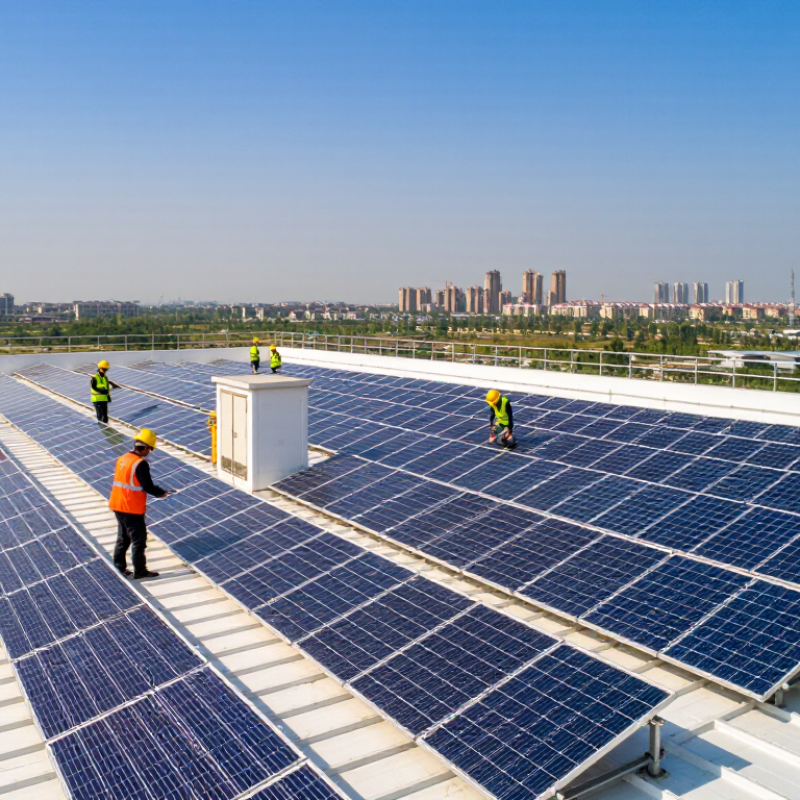
SolarPower Europe: 447 GW of solar capacity added worldwide in 2023
SolarPower Europe reports that 447 GW of solar capacity was added worldwide in 2023. That equals about 1.2 GW per day on average. The scale is remarkable, but installed capacity does not mean electricity is available every hour. Panels need suitable sites and grid connections. Storage and flexible demand can also help balance production. Big number, real constraints.
For households and businesses comparing installation companies, rapid growth makes careful project design more important, not less. Ask how an installer assesses roof condition, shading, local weather, and expected energy use. Request clear estimates that explain assumptions, equipment performance, and maintenance needs. A large global total can hide uneven access: some regions still face grid delays or financing barriers. Even the headline figure deserves scrutiny, since capacity additions do not reveal how well each system performs over time.
Tips: Get more than one written proposal. Check that projected output accounts for shade and seasonal sunlight. Ask who handles monitoring and repairs. Keep the assumptions; they make later performance checks more useful. A neat sales estimate is not a guarantee.
Top 10 Solar Panel Installation Companies Worldwide - SolarPower Europe: 447 GW of solar capacity added worldwide in 2023
Global annual solar photovoltaic (PV) capacity additions provide a company- and brand-free view of the industry’s installation growth.
| Year | Global Solar PV Capacity Added | Year-over-Year Change |
|---|---|---|
| 2014 | 40 GW | — |
| 2015 | 50 GW | +25% |
| 2016 | 76 GW | +52% |
| 2017 | 99 GW | +30% |
| 2018 | 105 GW | +6% |
| 2019 | 117 GW | +11% |
| 2020 | 138 GW | +18% |
| 2021 | 175 GW | +27% |
| 2022 | 239 GW | +37% |
| 2023 | 447 GW | +87% |
Figures are rounded estimates of annual global solar PV additions. The 2023 figure of 447 GW is reported by SolarPower Europe; year-over-year percentages are calculated from the rounded figures shown.
Ranking the top 10 installers by scale, reach, and service capabilities
Ranking the top solar panel installers worldwide requires more than counting completed projects. Scale shows whether a company can coordinate large teams and supply equipment across multiple markets. Reach measures where it can actually install and support systems, not just where it advertises. That distinction matters. A homeowner in a smaller region may need local technicians, clear installation schedules, and help after commissioning. Large project capacity alone cannot guarantee those details.
Service capabilities separate broad coverage from dependable delivery. Strong installers typically assess roof condition, shade, electrical capacity, and expected energy use before proposing a system. They should also explain design choices in plain language and provide monitoring, maintenance, and warranty support. For ranking purposes, useful evidence includes documented project experience, regional service availability, trained installation teams, and support after the panels are switched on. Safety practices and consistent quality checks deserve attention, too. They are less visible than project totals, but they affect real outcomes.
There is a weak spot in any global comparison: public figures may count planned capacity differently from completed installations. A company’s reach can also vary sharply between regions. Rankings should therefore distinguish verified operating presence from broad claims, while recognizing that local service quality is difficult to compare evenly. Some details may remain uncertain.
Company profiles: portfolios, operating markets, and installation models
A worldwide comparison of ten solar installers should look beyond panel counts. Residential specialists often focus on pitched roofs, household surveys, and short installation schedules. Their portfolios may include battery-ready systems, while crews work through local branches or certified contractors. Commercial firms handle larger rooftops, carports, and energy storage. Site audits matter: roof strength, shade, and grid access can change a project plan.
Utility-scale contractors build ground-mounted arrays and coordinate engineering, procurement, and construction across multiple markets. Regional integrators may serve rural communities with smaller systems and local technician networks. Some firms sell equipment directly; others offer leases or long-term power agreements. These models shift who pays upfront and who handles maintenance. Details matter. Operating markets also shape service capacity: a broad regional presence does not guarantee nearby crews. Portfolios can look impressive on paper.
A careful profile should note installation ownership, warranty support, and service response times, not just annual capacity. Public information can be uneven, and company rankings rarely use identical criteria. That comparison is imperfect. Buyers should ask for recent local references, a written scope, and clear responsibility for repairs. A good profile shows what a company installs, where it operates, and how its teams deliver the work.
Regional coverage and technology choices among leading solar installers
A solar installer’s reach matters as much as its equipment. Companies serving several regions can offer broader project experience, but local crews understand roof styles, weather, and utility requirements better. In hot, dusty areas, panels need sturdy mounting and practical cleaning plans. Coastal sites may need corrosion-resistant hardware. One design rarely fits every roof.
Technology choices also vary by project. Monocrystalline panels are common where roof space is limited, while bifacial modules can suit open sites that reflect light onto their rear surfaces. String inverters may work well on simple roofs; microinverters can help when shade affects different panels unevenly. Battery compatibility is worth checking, even if storage is not part of the first installation. More features do not always mean better results. I have seen specifications look impressive while leaving basic service questions unanswered.
Tips: Ask who handles installation and repairs in your area, not just where the company advertises. Request a site-specific shade assessment, equipment warranties, and a written estimate showing labor and maintenance assumptions. Compare expected output using local weather data. Small details matter. A clear answer about response times can be more useful than a long list of technical options.
Comparing costs, reliability, and performance across the industry
A useful comparison of the world’s leading solar installation companies starts with like-for-like quotes, not the lowest headline price. Check what each estimate includes: panels, inverters, mounting hardware, labor, and follow-up service. A detailed quote should also state the system’s expected annual output and the assumptions behind it. Costs vary with roof shape, local labor, and equipment choices. Small details add up.
Reliability depends on more than equipment warranties. Ask who handles repairs, how quickly service is usually available, and whether workmanship coverage is separate from product coverage. Look for clear monitoring and maintenance procedures. A system may be well built, yet slow support can leave a household waiting during a fault. That matters. Published performance figures are useful, but they cannot fully predict results at every home.
Actual output depends on roof direction, seasonal shade, local weather, and correct system sizing. Compare estimated production with your own site assessment, and ask how estimates account for cloudy months or nearby trees. Independent inspection records and transparent operating data can strengthen a company’s claims. Still, comparisons have limits: customer reviews may reflect different climates, installers, and expectations. Even careful rankings can miss that.
Related Posts
-
The Ultimate Guide to Choosing the Right Solar Panel Installation for Your Home in 2023
-
How to Maximize Efficiency in Your Solar Panel Installation Project
-
Top Benefits of Solar Panel Installation for Homes and Businesses?
-
What Are the Top Types of Solar Panel Installation?
-
Harnessing Power Solar Energy for Sustainable Future Solutions with Recent Advances in Efficiency and Storage Technologies
-

Exploring the Future of Best Power Solar Energy Trends in 2025 Beyond Solar Revolution